
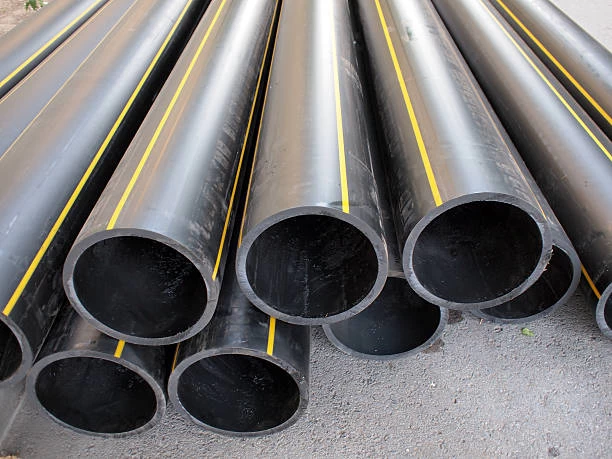
Polyethylene (PE) gas pipeline has gained popularity in the gas transportation industry thanks to its exceptional mechanical properties. The rigidity and strength of these pipes are key features that ensure efficient and safe operation under various conditions. This article discusses how the rigidity of the PE gas pipeline contributes to its performance and the importance of these properties in its practical application.
Material and Mechanical Properties
Polyethylene gas pipeline is primarily manufactured from high-density polyethylene (HDPE). This material stands out for its unique combination of rigidity and flexibility, allowing it to withstand both internal pressures and external forces. HDPE’s tensile and compressive strength makes it an ideal candidate for applications where a high level of safety and durability is required. These properties ensure that the gas pipeline maintains its shape and functionality over time, even under adverse conditions.
Rigidity and Internal Pressures
The rigidity of the polyethylene gas pipeline is essential to withstand the internal pressures generated by the gas. As gas flows through the pipe, a pressure is generated that can vary depending on demand and operating conditions. A pipeline with sufficient rigidity will prevent deformation or collapse, ensuring a continuous and safe flow. This property also contributes to operational safety, as it minimizes the risk of ruptures or failures in the system.
Resistance to Deformation
Resistance to deformation under external loads is another important characteristic of the polyethylene gas pipeline. During its installation, the pipe can face various forces, such as the weight of the ground and the pressure of heavy equipment. The rigidity of the material allows the gas pipeline to maintain its original shape, avoiding deformations that could compromise its integrity. This ability to resist deformations not only extends the life of the gas pipeline, but also ensures consistent performance over time.
Temperature Impact
Environmental conditions, such as temperature variations, can influence the rigidity of the polyethylene gas pipeline. At extreme temperatures, some materials can become more brittle, which could affect their performance.
External Pressure Effects
The stiffness of polyethylene pipeline also allows it to withstand external pressures, such as ground loading and surface vehicular traffic. When installing a pipeline, it is essential to consider the external loads it might endure over its lifetime. PE’s ability to maintain its shape and strength under these pressures minimises the risk of damage and leaks. This is especially important in urban areas where traffic and ground movement can challenge infrastructure.
Structural Design
The structural design of a polyethylene pipeline is optimised to maximise the material’s stiffness and strength. Manufacturers apply engineering principles to create profiles that distribute stresses evenly along the pipe. This approach to design not only improves the performance of the pipeline, but also makes it easier to install and maintain. A well-thought-out design allows for easy integration into gas transportation systems, ensuring operational effectiveness.
Maintenance and Monitoring
Although the polyethylene gas pipeline displays high rigidity and strength, regular maintenance and monitoring are essential to ensure its longevity. Conducting regular inspections allows signs of wear or damage to be identified before they become critical issues. A proper maintenance program helps prolong the life of the pipeline and ensures that rigidity and strength are maintained within optimal parameters.
IFAN is a brand that offers products that meet a wide range of international standards, ensuring the quality and reliability of every product. Product standard including:ASTM D3035, ASTM D3350, ISO 4427 series, EN 12201 series, DIN 8074/8075, GB/T 13663 series, AS/NZS 4130, JIS K6760, BS 6572, CSA B137.1. IFAN is committed to providing high quality products and excellent service!
Conclusion
The rigidity and strength of the polyethylene gas pipeline are key features that ensure its efficiency and safety in gas distribution. Made from high-density polyethylene, this gas pipeline stands up to internal and external pressures, maintaining its integrity over time. The ability to resist deformations, combined with an optimized structural design, allows for consistent performance under various environmental conditions.When choosing gas pipelines
Connect
IFAN is a Chinese manufacturer of plastic pipes, fittings and valves with 30 years of experience. If you are interest in IFAN copper fittings, copper valves, plastic pipes and fittings, please contact us. IFAN offers you a variety of standard pipes to meet your specific needs. Click below to learn more about IFAN’s wide range of affordable and cost-effective valve products and piping system related products.
We will reply your email or fax within 24 hours.
You can call us at any time if there is any question on our production.
For more information,pls visit our webside https://www.waterpipefactory.com/
Pls Mailto: [email protected]
Whatsapp: + 86 152 1588 7738