
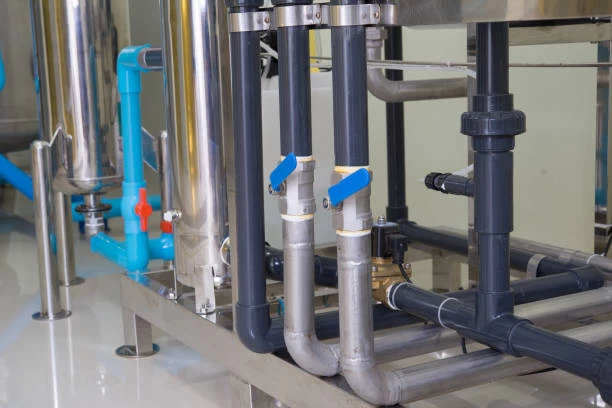
Polyethylene (PE) couplings are vital components used in a wide range of industries, from plumbing and construction to agriculture and industrial systems. These couplings are valued for their durability, flexibility, and corrosion resistance, making them an essential part of piping systems. However, understanding the tax implications associated with the sale, use, and manufacturing of PE couplings can be complex. This article explores the tax considerations related to PE couplings, including sales tax, manufacturing tax, and other related issues that businesses need to be aware of in order to navigate the intricacies of product taxation.
Sales Tax on PE Couplings
Sales tax is one of the primary tax considerations when selling PE couplings. In many jurisdictions, the sale of tangible personal property is subject to sales tax. However, the applicability of sales tax on PE couplings depends on the specific laws and regulations of the country or state in which the sale takes place. Businesses selling PE couplings must research local tax laws to determine whether the product is taxable and ensure proper compliance with tax collection requirements.
Taxation Based on Usage and Application
Another critical factor in determining the tax rate on PE couplings is the intended use or application. Many tax authorities make distinctions between different types of use, which can affect the overall tax burden. For example, PE couplings used in plumbing systems may be taxed differently than those used in industrial pipelines or in agricultural settings. Some jurisdictions may offer tax exemptions or reductions for products used in certain contexts, such as energy-efficient systems. Agricultural irrigation, or construction of public infrastructure. Understanding the intended application of the product can help businesses determine whether the coupling qualifies for any tax exemptions or special rates.
Import and Export Taxes on PE Couplings
For businesses involved in the import or export of PE couplings, additional tax considerations come into play. Many countries impose import duties or tariffs on goods that enter the country, and PE couplings are no exception. Import duties can vary based on factors such as the country of origin, the value of the product, and the specific tariff codes applied to the goods. Similarly, businesses exporting PE couplings may encounter tax considerations related to customs duties or value-added tax (VAT) in the destination country.
Value-Added Tax (VAT) on PE Couplings
In regions where a value-added tax (VAT) system is in place, PE couplings may be subject to VAT at the point of sale. VAT is a consumption-based tax levied at each stage of production and distribution. Typically, businesses selling PE couplings will charge VAT on the sale to end consumers. However, businesses that purchase PE couplings as part of their production processes or as part of a larger installation may be able to reclaim VAT paid on their purchases through the tax credit system, depending on the jurisdiction. This creates a chain of tax credits, ensuring that VAT is only paid by the final consumer. Understanding the VAT system and how it applies to PE couplings is crucial for businesses looking to optimize their tax position and remain compliant.
Tax Incentives for Sustainable and Green Technologies
Governments around the world are increasingly offering tax incentives for the adoption of sustainable or environmentally friendly technologies. For example, tax incentives may apply if the couplings are part of a rainwater harvesting system or an energy-efficient water distribution network. Companies engaged in green building or sustainable infrastructure projects should explore these potential tax benefits to lower overall project costs.
Manufacturing and Production Taxation
Manufacturers of PE couplings also face specific tax considerations related to the production process. Depending on the country or state, there may be excise taxes, environmental fees, or other levies applied to manufacturing activities. Additionally, businesses must account for taxes on raw materials used in the production of PE couplings. As well as taxes related to the manufacturing equipment and facilities. In some regions, manufacturers may qualify for tax incentives or exemptions for investing in new manufacturing technology. Energy-efficient production processes, or pollution control measures. These incentives are designed to encourage businesses to adopt practices that are both economically and environmentally sustainable. Manufacturers must stay up-to-date with local tax laws to ensure compliance and take advantage of any available incentives.
Record-Keeping and Tax Reporting Requirements
For businesses dealing with PE couplings, maintaining accurate records and adhering to tax reporting requirements is essential. This includes keeping track of sales, purchases, and taxes paid on raw materials, finished products, and imports. Businesses must ensure they are correctly reporting sales tax, VAT, or any other applicable taxes to the relevant tax authorities.
Legal Advice and Compliance Assistance
Navigating the tax landscape surrounding PE couplings can be complicated, especially for businesses operating in multiple regions or dealing with complex international transactions. To ensure compliance with tax laws and minimize the risk of errors, businesses should consider seeking professional legal and tax advice. Tax professionals with expertise in product taxation, import/export duties, VAT, and manufacturing taxes can help businesses understand their obligations.Identify potential tax-saving opportunities, and avoid costly mistakes.
IFAN is a brand that offers products that meet a wide range of international standards, ensuring the quality and reliability of every product. Product standard including:ASTM D3035, ASTM D3350, ISO 4427 series, EN 12201 series, DIN 8074/8075, GB/T 13663 series, AS/NZS 4130, JIS K6760, BS 6572, CSA B137.1.
Conclusion
Understanding the tax implications of PE couplings is a vital aspect of managing costs, ensuring compliance, and optimizing financial performance. From sales tax to VAT, import duties to manufacturing taxes, businesses must navigate a range of tax considerations to ensure that they remain compliant with relevant laws and regulations. By staying informed, keeping accurate records, and seeking professional tax advice.Companies can manage their tax obligations efficiently while taking advantage of any available incentives. Proper tax planning can contribute to long-term success and help businesses reduce the overall cost of using or manufacturing PE couplings in their operations.
Connect
IFAN is a Chinese manufacturer of plastic pipes, fittings and valves with 30 years of experience. If you are interest in IFAN copper fittings, copper valves, plastic pipes and fittings, please contact us. IFAN offers you a variety of standard pipes to meet your specific needs. Click below to learn more about IFAN’s wide range of affordable and cost-effective valve products and piping system related products.
We will reply your email or fax within 24 hours.
You can call us at any time if there is any question on our production.
For more information,pls visit our webside https://www.waterpipefactory.com/
Pls Mailto: [email protected]
Whatsapp: + 86 152 1588 7738