
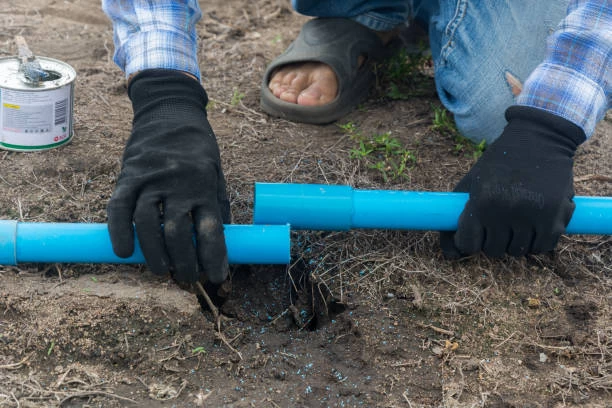
As the world increasingly focuses on sustainability, industries are seeking solutions that reduce environmental impact while maintaining efficiency and durability. HDPE (High-Density Polyethylene) pipes and their joints are among the most promising innovations for achieving these goals. Known for their durability, energy efficiency, and recyclability, HDPE pipes and joints provide a sustainable solution for various applications in water supply, sewage, gas distribution, and industrial pipelines. This article will explore the sustainability advantages of HDPE pipe joints and their role in creating environmentally friendly infrastructure.
Longevity and Reduced Resource Consumption
One of the most significant sustainability benefits of HDPE pipe joints is their longevity. HDPE pipes can last up to It depends on the actual situation. or more when installed properly, reducing the need for frequent replacements. This extended lifespan minimizes the consumption of raw materials and reduces the amount of waste generated from replacing pipes that have deteriorated over time.
Unlike traditional piping materials like metal or concrete, which can corrode, crack, or degrade over time, HDPE pipes are highly resistant to the elements. They do not rust, corrode, or weaken when exposed to water, chemicals, or extreme temperatures. The joints, formed through heat fusion or mechanical means, create a seamless connection that prevents leakage, extending the life of the entire system. This durability means that HDPE pipes require fewer resources for repairs, reducing the overall consumption of materials.
The long lifespan of HDPE pipe joints translates into a significant reduction in the carbon footprint associated with manufacturing, transporting, and disposing of pipes. Instead of constantly producing and replacing pipes, HDPE systems remain in place for decades, thereby decreasing the frequency of manufacturing and the associated environmental costs.
Energy Efficiency and Reduced Carbon Footprint
HDPE pipes contribute to sustainability not only through their durability but also by reducing energy consumption. The smooth inner surface of HDPE pipes allows for the efficient flow of liquids and gases with minimal friction. This reduction in friction directly translates into lower pumping requirements, which results in energy savings.
For instance, water supply systems, sewage systems, and industrial fluid transportation systems that use HDPE pipes require less energy to pump fluids through the system. Reduced pumping energy leads to a decrease in greenhouse gas emissions, as less power is needed to transport the same amount of material. This reduction in energy consumption can make a significant difference in the overall carbon footprint of infrastructure systems, particularly in large-scale projects like water treatment plants, wastewater facilities, and irrigation networks.
By reducing the operational energy needs of fluid transport systems, HDPE pipes contribute to more sustainable and energy-efficient infrastructure. These pipes help industries meet their environmental goals by lowering operational costs while also supporting global efforts to reduce carbon emissions.
Recyclability and Reduced Waste
Another crucial aspect of sustainability in HDPE pipes and joints is their recyclability. HDPE is one of the most commonly recycled plastics worldwide. After the end of its useful life, HDPE pipes and joints can be melted down and reused to create new pipes, reducing the demand for virgin raw materials. This closed-loop recycling process is an essential part of the circular economy, where materials are continuously reused to minimize waste and resource depletion.
The recyclability of HDPE pipes not only conserves natural resources but also helps reduce landfill waste. Unlike many other materials used in infrastructure, which can take centuries to decompose, HDPE pipes do not create long-lasting waste. The ability to recycle HDPE pipes and joints contributes significantly to waste reduction efforts in the construction and plumbing sectors.
Furthermore, the recyclability of HDPE pipes helps reduce the environmental impact of producing new materials. By reprocessing old pipes into new products, industries can minimize energy consumption and decrease the environmental impact associated with mining and extracting raw materials. This recycling process plays a vital role in promoting the sustainability of the entire pipeline industry.
Resistance to Environmental Factors
In applications like wastewater treatment plants or chemical processing facilities, where pipelines must withstand exposure to corrosive substances, HDPE pipes and joints provide an environmentally friendly solution. Their resistance to corrosion means fewer materials are required for maintenance or replacement, which reduces the environmental impact of periodic repairs.
Additionally, HDPE’s ability to withstand extreme weather conditions—such as freeze-thaw cycles or high temperatures—ensures that pipes maintain their integrity over time. This resilience reduces the need for replacement pipes and the energy and resources associated with their production, further enhancing the sustainability of HDPE systems.
Best HDPE pipe joints supplier
IFAN is a brand that offers products that meet a wide range of international standards, ensuring the quality and reliability of every product. Product standard including:ASTM D3035, ASTM D3350, ISO 4427 series, EN 12201 series, DIN 8074/8075, GB/T 13663 series, AS/NZS 4130, JIS K6760, BS 6572, CSA B137.1. IFAN is committed to providing high quality products and excellent service!
Conclusion
HDPE pipe joints offer a wide array of sustainability benefits that make them an ideal choice for modern infrastructure projects. Their durability, energy efficiency, recyclability, and resistance to environmental factors contribute significantly to reducing the environmental impact of infrastructure systems. By choosing HDPE pipes and joints, industries can reduce resource consumption, energy usage, waste generation, and the overall carbon footprint of their operations.
As the world continues to prioritize sustainability, HDPE pipes and joints will play an essential role in creating environmentally responsible infrastructure. Their long lifespan, low energy requirements, and recyclability make them an excellent choice for water management, wastewater treatment, and a wide range of industrial applications. In a future where environmental stewardship is increasingly important, HDPE pipe joints stand out as a sustainable, efficient, and reliable solution for infrastructure development.
Connect
IFAN is a Chinese manufacturer of plastic pipes, fittings and valves with 30 years of experience. If you are interest in IFAN copper fittings, copper valves, plastic pipes and fittings, please contact us. IFAN offers you a variety of standard pipes to meet your specific needs. Click below to learn more about IFAN’s wide range of affordable and cost-effective valve products and piping system related products.
We will reply your email or fax within 24 hours.
You can call us at any time if there is any question on our production.
For more information,pls visit our webside https://www.waterpipefactory.com/
Pls Mailto: [email protected]
Whatsapp: + 86 152 1588 7738