
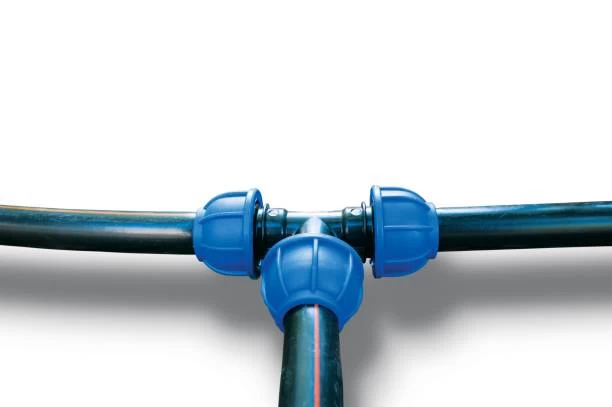
High-Density Polyethylene (HDPE) pipes have emerged as a versatile and reliable solution across various industries due to their robustness, durability, and flexibility. From municipal water systems to agricultural irrigation, HDPE pipes offer a multitude of benefits that make them an ideal choice for numerous applications. This article outlines the comprehensive requirements for effective utilization of HDPE pipe application, ensuring optimal performance and longevity.
Material Specifications
The fundamental requirement for any HDPE pipe application is the material’s specification. HDPE pipes are manufactured using polyethylene resin with a high density, which provides exceptional strength and resistance to environmental stressors. The pipes must adhere to international standards such as ASTM F714 or ISO 4427, guaranteeing their quality and reliability. Key material properties to consider include tensile strength, impact resistance, and chemical resistance, ensuring the pipes can withstand the specific conditions of the application.
Pressure Ratings
Determining the appropriate pressure rating for HDPE pipes is crucial. Different applications require pipes capable of handling varying pressures. Municipal water supply systems, for instance, need pipes with higher pressure ratings compared to drainage systems. Manufacturers provide pressure rating charts based on the pipe’s diameter and wall thickness. Ensuring the selected HDPE pipes meet or exceed the required pressure rating ensures system integrity and safety.
Dimensional Accuracy
Dimensional accuracy is another essential requirement for HDPE pipes. Precise dimensions ensure a proper fit with fittings and accessories, minimizing leaks and enhancing system efficiency. HDPE pipes must be manufactured within tight tolerances, maintaining consistent outer diameters and wall thicknesses. This precision also facilitates easier installation and reduces the risk of failures due to mismatched components.
Flexibility and Durability
HDPE pipes are renowned for their flexibility, which allows them to adapt to various terrains and installation conditions. However, this flexibility must be balanced with durability to ensure long-term performance. The pipes should be able to withstand extreme temperatures, UV radiation, and soil movements without compromising their structural integrity. Manufacturers often enhance durability through additives and specialized manufacturing processes, which should be verified during the selection process.
Installation Guidelines
Proper installation is paramount to the success of any HDPE pipe application. Installation guidelines encompass pipe handling, joining techniques, trench preparation, and backfill procedures. HDPE pipes can be joined using various methods, including fusion welding, mechanical couplings, and electrofusion. Each method has specific requirements and best practices to ensure a secure and leak-free connection. Adhering to these guidelines minimizes the risk of installation errors and extends the lifespan of the piping system.
Inspection and Testing
Rigorous inspection and testing protocols are essential to verify the quality and performance of HDPE pipes before and after installation. Manufacturers should conduct comprehensive quality control tests, including hydrostatic testing and material property analysis. On-site inspections during installation ensure that all components are correctly installed and that the system meets design specifications. Post-installation testing, such as pressure testing and leak detection surveys, further confirms the system’s readiness for operation.
Maintenance and Monitoring
Once installed, HDPE pipe application systems require regular maintenance and monitoring to sustain their optimal performance. This includes periodic inspections for signs of wear, corrosion, or leaks. Advanced monitoring technologies, such as remote sensing and data analytics, can provide real-time insights into the system’s condition, enabling proactive maintenance and reducing the risk of unexpected failures. A well-established maintenance schedule and proactive monitoring approach ensure the longevity and reliability of HDPE pipe applications.
IFAN is a brand that offers products that meet a wide range of international standards, ensuring the quality and reliability of every product. Product standard including:ASTM D3035, ASTM D3350, ISO 4427 series, EN 12201 series, DIN 8074/8075, GB/T 13663 series, AS/NZS 4130, JIS K6760, BS 6572, CSA B137.1. IFAN is committed to providing high quality products and excellent service!
Conclusion
In conclusion, HDPE pipe application offer a robust and versatile solution for a wide range of applications. Meeting the specified requirements, from material specifications and pressure ratings to installation guidelines and maintenance practices, ensures that HDPE pipe systems deliver optimal performance and reliability. By adhering to these comprehensive requirements, organizations can leverage the full potential of HDPE pipes, driving efficiency, safety, and sustainability in their operations.
Connect
IFAN is a Chinese manufacturer of plastic pipes, fittings and valves with 30 years of experience. If you are interest in IFAN copper fittings, copper valves, plastic pipes and fittings, please contact us. IFAN offers you a variety of standard pipes to meet your specific needs. Click below to learn more about IFAN’s wide range of affordable and cost-effective valve products and piping system related products.
We will reply your email or fax within 24 hours.
You can call us at any time if there is any question on our production.
For more information,pls visit our webside https://www.waterpipefactory.com/
Pls Mailto: [email protected]
Whatsapp: + 86 152 1588 7738