
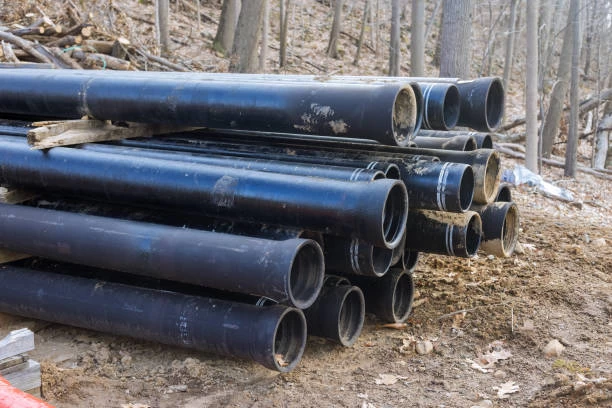
High-Density Polyethylene (HDPE) pipes are a popular choice in many industries for applications such as water distribution, gas pipelines, and sewage systems. These pipes are known for their durability, resistance to corrosion, and flexibility, making them ideal for a variety of installations. However, the success of any HDPE piping system depends significantly on the proper use of an HDPE pipe jointer. This tool, which is essential for joining HDPE pipes, ensures that the system is secure, leak-proof, and long-lasting. In this article, we will explore how to use an HDPE pipe jointer correctly to achieve a reliable and durable piping system.
Understanding the HDPE Pipe Jointer
An HDPE pipe jointer is a tool or device used to connect two HDPE pipes together. Several joining methods exist, but the most common methods include butt fusion, electrofusion, and mechanical fittings. Each of these methods requires different tools and techniques, and the choice of which to use depends on factors such as the project scope, pipe size, and available resources. Understanding how each method works and how to use the corresponding jointer effectively is crucial for ensuring the integrity of the installation.
Butt Fusion: Preparing for the Process
Butt fusion remains the most widely used method for joining HDPE pipes, especially in large-scale installations. This technique involves heating the ends of two HDPE pipes and then pressing them together to form a solid, leak-proof bond. Before using a butt fusion jointer, the first step is to prepare the pipe ends properly. Ensure that the pipe ends are clean, square, and free from dirt, grease, or any other contaminants. A pipe scraper or wire brush works well for cleaning the pipe ends.
Using the Butt Fusion Jointer
Once the pipes are prepared, place them into the fusion machine. The machine will heat the pipe ends to a specified temperature, which is usually around 200°C (392°F). The fusion machine consists of two main parts: the heating plates and the hydraulic press. The heating plates soften the ends of the pipes, while the press pushes the two heated ends together to form a strong bond. Make sure to follow the manufacturer’s specifications for temperature and heating time. After the fusion process, hold the pipes together under pressure for a set amount of time to allow the joint to cool and solidify.
Electrofusion: A Precise Alternative
Another popular method for joining HDPE pipes is electrofusion, which uses specialized fittings with an integrated electric coil. This technique is especially useful for smaller pipes or in applications where butt fusion is impractical. The electrofusion jointer works by passing an electric current through the coil in the fitting, which generates heat and melts both the fitting and the pipe, creating a secure bond. To use the electrofusion jointer, start by cleaning both the pipe ends and the fitting. Insert the fitting onto the pipe and make sure it is aligned properly. Connect the electrofusion machine to the fitting, ensuring a secure connection before activating the machine. The machine will apply the correct voltage, which will heat the fitting and the pipe simultaneously. Once the fusion is complete, allow the joint to cool before moving on to further installation steps.
Mechanical Fittings: A Quick and Easy Method
In cases where fusion is not an option or the project requires a more straightforward approach, mechanical fittings offer a quick and easy way to join HDPE pipes. Mechanical fittings do not require any heat or specialized equipment. Instead, they use compression or flange fittings to clamp the pipes together securely. To use mechanical fittings, first clean the ends of the pipes and insert the fitting onto the pipe. Tighten the bolts or nuts of the fitting, ensuring that the joint is sealed properly.
Ensuring Proper Alignment and Pressure
Regardless of the joining method used, proper alignment of the pipes is crucial for ensuring a secure and leak-proof connection. Misalignment can lead to weak joints, which are prone to failure under pressure. Additionally, monitoring the pressure during the fusion or fitting process is essential. For butt fusion, the correct amount of pressure should be applied to the heated pipe ends to create a strong bond. For electrofusion, the machine will typically control the pressure, but it is still important to ensure that the fitting is in the right position.
Testing the Connection
Once the pipes are joined, it is important to test the connection for leaks. Testing the joint will ensure that the connection is secure and that no water, gas, or other substances will leak through. For fusion joints, a visual inspection is the first step. Look for any signs of uneven fusion, such as bulging or cracking. After that, pressure testing can be done to confirm the joint’s integrity. For electrofusion, visual inspection and a pressure test are also necessary.
Maintaining the Joints for Longevity
To maximize the lifespan of HDPE pipe joints, it is crucial to maintain them properly. While HDPE pipes are generally resistant to corrosion and wear, regular inspections and maintenance can help identify any issues before they become critical. Check the joints periodically for signs of damage, cracking, or leaks. For fusion joints, ensure that the pipe remains aligned and that no external forces, such as shifting or bending, compromise the integrity of the connection. For mechanical fittings, check the tightness of the bolts regularly to prevent loosening over time. Proper maintenance ensures that the HDPE piping system will perform reliably for many years.
IFAN is a brand that offers products that meet a wide range of international standards, ensuring the quality and reliability of every product. Product standard including:ASTM D3035, ASTM D3350, ISO 4427 series, EN 12201 series, DIN 8074/8075, GB/T 13663 series, AS/NZS 4130, JIS K6760, BS 6572, CSA B137.1. IFAN is committed to providing high quality products and excellent service!
Conclusion
Using an HDPE pipe jointer correctly is essential for ensuring a secure, reliable, and long-lasting piping system. Whether using butt fusion, electrofusion, or mechanical fittings, proper preparation, alignment, and pressure control are key to achieving a strong joint. Following the correct procedure, performing thorough testing, and maintaining the joints regularly will help avoid costly repairs and ensure the overall success of the installation. By mastering the techniques for using an HDPE pipe jointer, you can achieve an efficient and durable piping system that meets the demands of your project and stands the test of time.
Connect
IFAN is a Chinese manufacturer of plastic pipes, fittings and valves with 30 years of experience. If you are interest in IFAN copper fittings, copper valves, plastic pipes and fittings, please contact us. IFAN offers you a variety of standard pipes to meet your specific needs. Click below to learn more about IFAN’s wide range of affordable and cost-effective valve products and piping system related products.
We will reply your email or fax within 24 hours.
You can call us at any time if there is any question on our production.
For more information,pls visit our webside https://www.waterpipefactory.com/
Pls Mailto: [email protected]
Whatsapp: + 86 152 1588 7738