
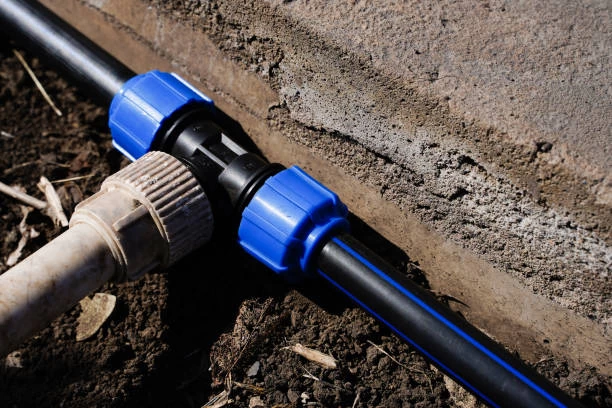
High-Density Polyethylene (HDPE) pipes are gaining popularity across industries due to their robustness, flexibility, and eco-friendly attributes. Among the various sizes available, the 40mm HDPE pipe has become a staple in several applications, from water distribution systems to gas pipelines and agricultural irrigation. This article explores the benefits, applications, and growing significance of 40mm HDPE pipes in modern infrastructure, highlighting their advantages in durability, cost-effectiveness, and environmental sustainability.
Durability and Long-Term Reliability
One of the standout features of the 40mm HDPE pipe is its exceptional durability. HDPE pipes are resistant to corrosion, which is a common problem for materials like steel and iron. Over time, metal pipes often rust, leading to system failure or leaks, whereas HDPE pipes retain their structural integrity even under harsh environmental conditions. The smooth interior of HDPE pipes also prevents clogging or the build-up of scale, ensuring a steady flow of water or gas throughout their lifespan.
In addition to corrosion resistance, HDPE pipes are highly durable in extreme weather conditions. Whether exposed to UV rays, freezing temperatures, or fluctuating weather patterns, 40mm HDPE pipes maintain their performance. Their long-lasting nature reduces the need for frequent replacements, minimizing maintenance costs for infrastructure projects and providing reliability for the long term.
Flexibility and Ease of Installation
HDPE pipes, including the 40mm size, are known for their flexibility. This flexibility allows HDPE pipes to withstand the natural movements of the earth, such as shifting soils, seismic activity, or freeze-thaw cycles. Unlike rigid piping materials, which are prone to cracking or breaking under stress, 40mm HDPE pipes can bend and flex without compromising their integrity. This makes them ideal for installation in areas with unstable or unpredictable ground conditions.
Installation of 40mm HDPE pipes is also much faster and easier compared to more rigid alternatives. HDPE pipes are lightweight and easy to handle, allowing workers to transport and position them more efficiently. The flexibility of the material also means that fewer joints are required, reducing the risk of leaks and ensuring a more secure installation. These advantages make 40mm HDPE pipes particularly appealing for both small-scale projects and large infrastructure developments.
Resistance to Chemical and Biological Contaminants
The versatility of HDPE pipes extends to their ability to resist a wide range of chemicals and biological contaminants. In water and wastewater systems, for instance, 40mm HDPE pipes remain unaffected by harsh chemicals, acids, or alkalis that may degrade other types of pipes. This makes HDPE pipes an ideal choice for systems that transport chemically treated water or wastewater.
Additionally, HDPE pipes are resistant to the growth of bacteria, algae, and other microorganisms that can cause blockages or contamination in pipes made from other materials. In potable water supply systems, the absence of microbial growth helps ensure the continued quality and safety of the water. The non-porous nature of HDPE pipes prevents biological organisms from infiltrating the pipe’s surface, making them a safer and more reliable option for both water and gas distribution.
Cost-Effectiveness and Lifecycle Savings
The initial cost of 40mm HDPE pipes is often competitive when compared to other piping materials, such as PVC or metal pipes. However, the real value lies in the long-term savings that come with using HDPE. The durability of HDPE pipes means that they require less maintenance and fewer replacements, leading to significant cost savings over time. This makes HDPE pipes a more cost-effective option in the long run, particularly for municipalities and businesses managing large infrastructure systems.
Furthermore, the installation process for 40mm HDPE pipes is faster and less labor-intensive compared to traditional materials. Workers do not need heavy equipment to position HDPE pipes, and the lightweight nature of the material reduces transportation costs. With reduced installation time and lower labor costs, HDPE pipes offer clear financial advantages for a wide range of projects.
Environmental Benefits and Sustainability
As sustainability becomes an increasingly important factor in infrastructure development, HDPE pipes are emerging as a more eco-friendly choice. HDPE is 100% recyclable, meaning that 40mm HDPE pipes can be reused at the end of their lifespan, reducing the amount of plastic waste that ends up in landfills. The recycling process for HDPE is straightforward, and recycled material can be repurposed into new products, including new HDPE pipes.
Moreover, the production of HDPE pipes requires less energy compared to other materials, such as steel or concrete. This contributes to a lower carbon footprint, as the energy-intensive processes of extracting and refining metal or producing cement are not necessary. By choosing 40mm HDPE pipes, industries and municipalities can significantly reduce their environmental impact while still maintaining high levels of performance and reliability in their infrastructure.
Wide Range of Applications
40mm HDPE pipes are highly versatile and find application across a variety of sectors. In water supply systems, these pipes are used to transport potable water to homes, businesses, and industries. Their resistance to corrosion and scaling ensures the clean and safe transport of water, contributing to efficient water management systems.
Agricultural irrigation systems also benefit from the use of 40mm HDPE pipes. Their flexibility and resistance to chemicals make them an ideal choice for distributing water across farms, ensuring that crops receive adequate hydration while minimizing the risk of contamination. Whether in large-scale irrigation projects or small farms, 40mm HDPE pipes provide a durable and cost-effective solution for efficient water management.
IFAN is a brand that offers products that meet a wide range of international standards, ensuring the quality and reliability of every product. Product standard including:ASTM D3035, ASTM D3350, ISO 4427 series, EN 12201 series, DIN 8074/8075, GB/T 13663 series, AS/NZS 4130, JIS K6760, BS 6572, CSA B137.1. IFAN is committed to providing high quality products and excellent service!
Conclusion
40mm HDPE pipes offer a combination of durability, flexibility, and cost-effectiveness that makes them an ideal choice for a wide range of applications in modern infrastructure. Their resistance to corrosion, chemicals, and biological contaminants ensures reliable and long-lasting performance, while their lightweight nature and ease of installation reduce costs and improve efficiency. As the demand for sustainable infrastructure solutions grows, 40mm HDPE pipes will continue to be a key player in the development of water, gas, and agricultural systems, contributing to the creation of more resilient, eco-friendly, and cost-effective infrastructure.
Connect
IFAN is a Chinese manufacturer of plastic pipes, fittings and valves with 30 years of experience. If you are interest in IFAN copper fittings, copper valves, plastic pipes and fittings, please contact us. IFAN offers you a variety of standard pipes to meet your specific needs. Click below to learn more about IFAN’s wide range of affordable and cost-effective valve products and piping system related products.
We will reply your email or fax within 24 hours.
You can call us at any time if there is any question on our production.
For more information,pls visit our webside https://www.waterpipefactory.com/
Pls Mailto: [email protected]
Whatsapp: + 86 152 1588 7738