
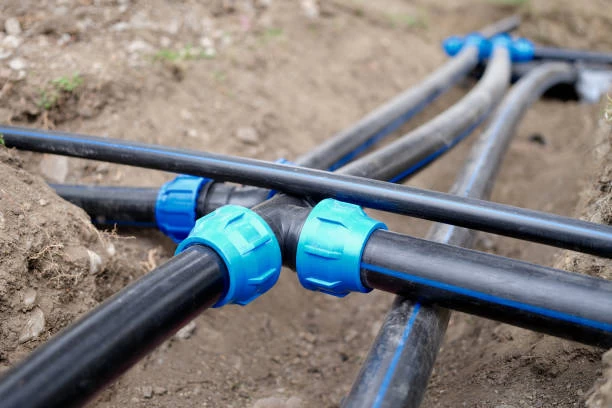
High-Density Polyethylene (HDPE) drainage pipes have gained significant popularity in the field of irrigation due to their superior strength, flexibility, and long-lasting performance. These pipes are essential components in modern irrigation systems, providing an efficient and cost-effective way to distribute water across agricultural fields, landscapes, and greenhouses. In this article, we will explore how HDPE drainage pipes function within irrigation systems, their advantages, and why they are a preferred choice for water distribution in agriculture and other water management applications.
HDPE Pipes and Efficient Water Distribution
The primary function of HDPE drainage pipes in irrigation systems is to transport water efficiently from the source to the desired areas. With a smooth inner surface, these pipes allow water to flow freely with minimal friction, which ensures that water reaches all parts of the irrigation network evenly. HDPE pipes are ideal for drip irrigation systems, surface irrigation, and subsurface irrigation because of their ability to handle varying water pressures and flow rates. They ensure that water distribution is both consistent and effective, promoting healthy crop growth and reducing water wastage in the process.
Durability and Resistance to Environmental Factors
They resist corrosion, UV degradation, and damage from chemical exposure, making them well-suited for outdoor irrigation systems. Unlike metal or concrete pipes that may rust, crack, or degrade under constant exposure to water, HDPE pipes remain intact over extended periods, even when exposed to harsh sunlight, extreme temperatures, or chemical-laden irrigation water. This durability ensures that the irrigation system can function effectively over time with minimal maintenance.
Flexibility for Customization and Easy Installation
One of the standout features of HDPE drainage pipes is their flexibility. These pipes can bend and curve to accommodate the layout of an irrigation system without the risk of breaking or cracking. This flexibility is particularly useful for agricultural installations, where the terrain may be uneven or complex. The ability to adjust the shape and direction of HDPE pipes allows for more efficient water distribution, ensuring that crops receive adequate irrigation, even in challenging or irregularly shaped fields. Moreover, HDPE pipes are lightweight, which simplifies transportation and installation, reducing labor costs and installation time.
Low Maintenance and Long-Term Cost Savings
HDPE drainage pipes are virtually maintenance-free once installed. Their smooth surface reduces the buildup of sediments and debris, which can clog pipes and reduce the efficiency of the irrigation system. The pipes are also resistant to biological growth, such as algae or mold, which can occur in traditional materials like concrete or clay. Because HDPE pipes require minimal upkeep, the overall cost of ownership is significantly reduced. Farmers and landowners can focus on their crops rather than worrying about pipe replacements or frequent maintenance, leading to substantial long-term savings.
Resistance to Impact and Ground Movements
Irrigation systems often operate in areas where ground movements or physical impacts are a concern. HDPE pipes stand out due to their resistance to impact and their ability to withstand ground shifts. Whether due to soil settlement, frost heaving, or even accidental damage from farm equipment, HDPE pipes maintain their integrity and continue to function efficiently. Their resilience to impact makes them a reliable choice for irrigation systems in areas that may experience changes in the ground over time or where the risk of physical damage is high.
Sustainability and Environmental Benefits
The use of HDPE pipes in irrigation systems aligns with sustainability goals, as these pipes are fully recyclable at the end of their lifespan. Compared to traditional materials like PVC or concrete, HDPE requires less energy to produce, reducing the environmental impact of manufacturing. This makes HDPE pipes a sustainable choice for modern irrigation, contributing to water conservation and reducing the need for frequent infrastructure changes. Their resistance to corrosion and biological contamination also ensures that irrigation systems operate more efficiently, which helps optimize water usage in agricultural practices.
Versatility for Different Irrigation Methods
HDPE pipes are versatile and can be used for a variety of irrigation methods, depending on the specific needs of the farm or landscape. In drip irrigation systems, HDPE pipes are often used to deliver water directly to plant roots through a network of small, precise emitters. This targeted watering reduces water waste by ensuring that water is only delivered where it is needed. In surface irrigation systems, HDPE pipes can carry larger volumes of water across wide areas, ensuring even coverage and reducing the risk of overwatering or underwatering in specific sections of the field. HDPE pipes can also be used in subsurface irrigation systems, where water is delivered underground to minimize evaporation and optimize water absorption.
Cost-Effectiveness for Large-Scale Operations
For large-scale agricultural operations, the cost of infrastructure is a major consideration. HDPE drainage pipes provide a cost-effective solution due to their relatively low initial cost and minimal maintenance requirements. The long lifespan of these pipes, coupled with their resistance to damage and the need for fewer repairs, results in substantial savings over the life of the system. Additionally, the ease of installation and the ability to use them for a variety of irrigation methods make HDPE pipes an attractive option for both small and large farms. For farmers and landowners seeking to minimize their water management costs while ensuring optimal irrigation efficiency, HDPE pipes represent a smart investment.
Conclusion
HDPE drainage pipes are a crucial component of modern irrigation systems, providing numerous benefits that make them an ideal choice for agricultural water management. Their durability, flexibility, low maintenance needs, and resistance to environmental factors ensure that they deliver reliable performance over the long term. With their ability to reduce water wastage, improve irrigation efficiency, and offer cost savings, HDPE pipes help optimize the use of water resources, making them an essential tool for sustainable farming practices. As agriculture faces increasing challenges related to water conservation and efficient irrigation, the role of HDPE drainage pipes will only continue to grow, helping to meet the needs of farmers while contributing to more sustainable water management practices worldwide.
Connect
IFAN is a Chinese manufacturer of plastic pipes, fittings and valves with 30 years of experience. If you are interest in IFAN copper fittings, copper valves, plastic pipes and fittings, please contact us. IFAN offers you a variety of standard pipes to meet your specific needs. Click below to learn more about IFAN’s wide range of affordable and cost-effective valve products and piping system related products.
We will reply your email or fax within 24 hours.
You can call us at any time if there is any question on our production.
For more information,pls visit our webside https://www.waterpipefactory.com/
Pls Mailto: [email protected]
Whatsapp: + 86 152 1588 7738