
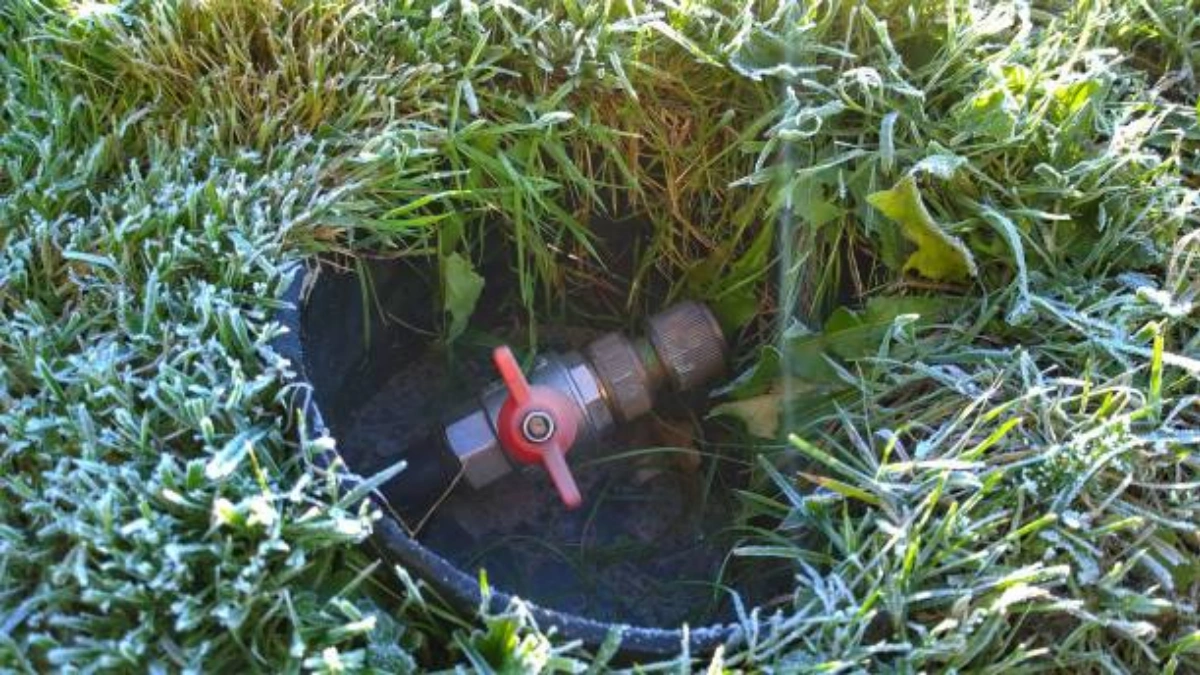
Introduction to Exhaust Valve
Exhaust valve play a crucial role in both internal combustion engines and pneumatic systems. In engines, they release exhaust gases from the combustion chamber, ensuring efficient engine operation. In pneumatic systems, quick exhaust valves rapidly release compressed air, improving cycle times and efficiency. These valves are essential for maintaining performance, reducing emissions, and enhancing overall system functionality. For example, in modern cars, exhaust valves help meet strict emissions standards while maintaining fuel efficiency. In industrial settings, quick exhaust valves enable faster operation of pneumatic tools and machinery, boosting productivity. Understanding the roles and applications of exhaust valves is vital for optimizing system performance.
Key Roles of Exhaust Valve
Exhaust valves have several vital functions in engine systems. They expel burned gases from the combustion chamber, preventing pressure buildup and ensuring smooth engine operation. This function is critical for maintaining engine efficiency and preventing damage from excessive pressure. Additionally, exhaust valves help regulate exhaust pressure, which directly impacts engine performance. By controlling the speed of gas flow, they also contribute to noise reduction. In high-performance vehicles, exhaust valves enhance engine power by optimizing exhaust flow. For example, in a Ferrari 458 Italia, exhaust valves open and close based on engine speed and atmospheric conditions, maximizing performance. This precise control is essential for achieving high horsepower and efficiency.
Types of Exhaust Valve
There are multiple types of exhaust valves, each designed for specific applications. In internal combustion engines, traditional exhaust valves open during the exhaust stroke to release gases. These valves are engineered to withstand high temperatures and pressures, ensuring reliable operation. Quick exhaust valves, used in pneumatic systems, provide a fast release of compressed air, reducing cycle times. These valves come in various designs, including single-acting, double-acting, and inline versions, each tailored to different operational needs. For instance, double-acting quick exhaust valves support rapid extension and retraction in pneumatic cylinders, making them ideal for high-speed machinery. Understanding the differences between these types of valves is crucial for selecting the right one for a specific application.
Applications of Exhaust Valve
Exhaust valves are widely used across various industries. In automotive manufacturing, they control robotic arms and automated tools, ensuring precise and efficient operation. In packaging and textile mills, exhaust valves enable fast and precise machine operation, increasing productivity. In food processing plants, exhaust valves help maintain conveyor speeds while minimizing contamination risks. For example, in a food packaging line, quick exhaust valves ensure that machinery operates at optimal speed without compromising food safety. In construction, pneumatic tools like drills and chisels rely on quick exhaust valves for efficient operation. In engines, exhaust valves are critical for reducing emissions and enhancing fuel efficiency. For example, modern diesel engines use advanced exhaust valves to meet stringent environmental regulations.
Importance of Maintenance
Proper maintenance is essential for the longevity and efficiency of exhaust valves. Regular inspection can prevent issues like corrosion and wear, which can affect valve performance. In pneumatic systems, quick exhaust valves should be checked for air leaks and damage. Cleaning and lubrication can also extend valve life and ensure optimal operation. For example, if an exhaust valve becomes squeaky or fails to open/close fully, a quick fix can restore its functionality. Regular maintenance not only improves system performance but also reduces the risk of costly repairs. In industrial settings, scheduled maintenance of exhaust valves can prevent downtime and ensure continuous operation. By keeping these valves in good condition, companies can save on maintenance costs and improve overall system reliability.
Conclusion: The Value of Exhaust Valve
Exhaust valves are indispensable components in modern engines and pneumatic systems. They ensure efficient gas expulsion, enhance engine performance, and reduce emissions. In pneumatic applications, quick exhaust valves improve cycle times and system efficiency. These valves are essential for maintaining optimal performance across various industries.
With proper maintenance, exhaust valves can last for years, providing reliable performance. Regular inspection and cleaning help prevent issues like corrosion and wear, which can degrade valve function. In industrial settings, well-maintained exhaust valves minimize downtime and reduce the risk of costly repairs. This proactive approach not only extends the lifespan of the valves but also enhances overall system reliability.
Whether in automotive, manufacturing, or industrial settings, exhaust valves play a critical role in optimizing system functionality and performance. In automotive engines, they help meet strict emissions standards while maintaining fuel efficiency. In manufacturing, quick exhaust valves enable faster operation of pneumatic tools and machinery, boosting productivity. In industrial applications, they ensure smooth operation of high-speed equipment, reducing wear and tear on other components.
IFAN Products international standards
IFAN products strictly adhere to a comprehensive range of international standards, encompassing ISO 15874, EN 15874, ASTM F2389, DIN 8077/8078, GB/T 18742, NBR 15884, ISO 15494, EN ISO 15494, GB/T 19472, NBR 15494, ASTM 2846 (501), DIN 8079/8080 (502), ASTM F441/F441M SCH80 (503), DIN (504), DIN (505), GB/T 18993, AS/NZS 1477, CSA B137.6, NSF/ANSI 14, TIS 17-2532/1131-2535, BS 3505, BS 4346 (801), ASTM D1785 SCH40 (802), ASTM D1785 SCH80 (803), DIN (804), GB (805), GB (806), GB(901), DWV(902), ASTM D2665 (903), along with ASTM D2241, D2665, D2729, and F441/F441M series, ISO 1452, EN ISO 1452, DIN 8061/8062, GB/T 10002, AS/NZS 1477, JIS K6741, CSA B137.3, and other national and industry norms.
Connect
IFAN is a Chinese manufacturer of plastic pipes, fittings and valves with 30 years of experience. If you are interest in IFAN copper fittings, copper valves, plastic pipes and fittings, please contact us. IFAN offers you a variety of standard pipes to meet your specific needs. Click below to learn more about IFAN’s wide range of affordable and cost-effective valve products and piping system related products.
We will reply your email or fax within 24 hours.
You can call us at any time if there is any question on our production.
For more information,pls visit our webside https://www.waterpipefactory.com/
Pls Mailto: [email protected]
Whatsapp: + 86 152 1588 7738