
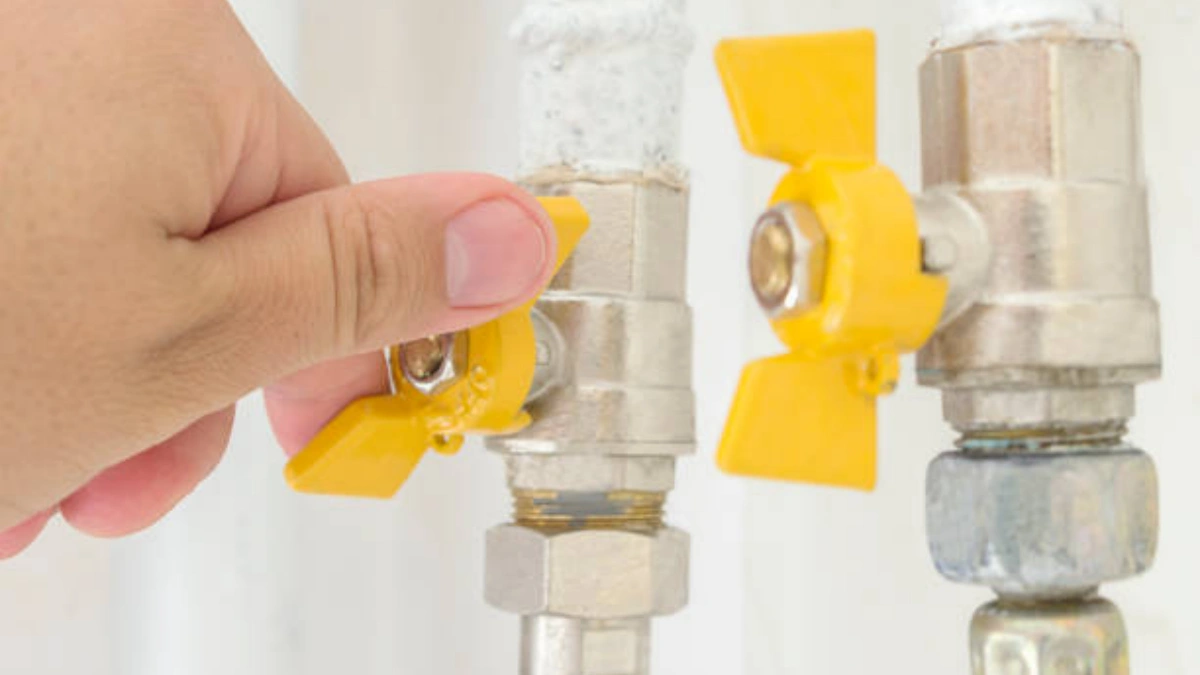
Control valves and globe valves regulate fluid flow in industrial systems. Engineers select these valves based on performance requirements and system conditions. Control valves adjust pressure, temperature, and flow rate dynamically. Globe valves provide precise throttling and shut-off functions. Both valve types serve essential roles in various industries, including oil and gas, water treatment, and manufacturing. Understanding their differences helps operators choose the right valve for specific applications.
Design and Operation
Control valves regulate fluid flow using actuators, positioners, and sensors. They receive signals from control systems and adjust the valve opening accordingly. These valves respond to changing conditions, maintaining system stability. Control valves support multiple actuation methods, including electric, pneumatic, and hydraulic. Engineers use them in automated systems that require precise adjustments.
Globe valves have a spherical body with a movable plug. The plug moves up or down to control flow through the valve seat. This design allows operators to fine-tune flow rates manually or with actuators. Globe valves provide excellent shut-off capabilities, reducing leakage risks. Their linear motion design makes them ideal for applications requiring frequent adjustments.
Functionality and Performance
Control valves offer continuous modulation, adjusting fluid flow based on real-time data. Industries use them in automated processes where flow, pressure, or temperature must remain stable. For example, power plants use control valves to regulate steam pressure, ensuring turbine efficiency. Their ability to handle dynamic conditions makes them essential in process control applications.
Globe valves provide reliable throttling and shut-off functions. Operators use them in systems that require precise flow regulation. For instance, water treatment plants use globe valves to control chemical dosing accurately. Unlike control valves, globe valves do not continuously adjust based on external signals. Instead, operators set the valve position manually or with simple actuators.
Application and Suitability
Control valves suit applications requiring real-time adjustments. Industries use them in automated systems where conditions change frequently. Oil refineries rely on control valves to maintain pressure balance in pipelines. Chemical processing plants use them to regulate mixing ratios. Their ability to integrate with control systems makes them valuable in complex processes.
Globe valves work well in applications requiring manual or semi-automated control. HVAC systems use them to regulate water or steam flow in heating systems. Fire protection systems rely on globe valves for precise water flow control. Their design ensures minimal leakage, making them suitable for high-pressure applications. Globe valves perform best in systems that require stable, adjustable flow without frequent changes.
Material and Durability
Control valves feature various materials to handle different fluids and operating conditions. Stainless steel control valves resist corrosion in chemical environments. Brass and bronze control valves work well in water and gas applications. High-temperature systems require specialized alloys that withstand extreme heat and pressure. Control valves must endure continuous operation, requiring durable components that resist wear.
Globe valves also use robust materials to ensure longevity. Cast iron globe valves function well in low-pressure water systems. Stainless steel and alloy globe valves handle corrosive or high-temperature fluids. Their compact design minimizes wear, extending service life. Proper material selection ensures globe valves maintain performance under demanding conditions.
Maintenance and Cost Considerations
Control valves require regular maintenance due to continuous operation. Their complex design includes actuators, sensors, and control systems that need calibration. Maintenance costs can be higher due to the need for specialized technicians. Despite these costs, control valves improve efficiency and reduce energy waste in automated systems.
Globe valves require less frequent maintenance, making them cost-effective for simpler applications. Their design includes fewer components, reducing failure risks. Operators can replace worn seals or seats without advanced tools. While initial costs for high-quality globe valves can be significant, long-term maintenance expenses remain lower compared to control valves.
Conclusion
Control valves and globe valves serve distinct functions in fluid regulation. Control valves provide automated, real-time adjustments, making them ideal for dynamic processes that require precise and continuous flow management. These valves are essential in industries where maintaining specific operating parameters is critical, such as in chemical processing or oil refineries. Their ability to respond quickly to changes ensures that processes remain within desired limits, enhancing overall system efficiency and reliability. Globe valves, on the other hand, offer precise throttling and shut-off capabilities, ensuring stable manual control. They are particularly useful in applications where frequent adjustments are necessary but do not require real-time automation. Globe valves are known for their versatility and ability to handle a wide range of pressures and temperatures, making them suitable for both high-pressure steam systems and low-pressure liquid applications. Their design allows for accurate flow control, which is crucial in processes like water treatment or HVAC systems.
IFAN Products international standards
IFAN products strictly adhere to a comprehensive range of international standards, encompassing ISO 15874, EN 15874, ASTM F2389, DIN 8077/8078, GB/T 18742, NBR 15884, ISO 15494, EN ISO 15494, GB/T 19472, NBR 15494, ASTM 2846 (501), DIN 8079/8080 (502), ASTM F441/F441M SCH80 (503), DIN (504), DIN (505), GB/T 18993, AS/NZS 1477, CSA B137.6, NSF/ANSI 14, TIS 17-2532/1131-2535, BS 3505, BS 4346 (801), ASTM D1785 SCH40 (802), ASTM D1785 SCH80 (803), DIN (804), GB (805), GB (806), GB(901), DWV(902), ASTM D2665 (903), along with ASTM D2241, D2665, D2729, and F441/F441M series, ISO 1452, EN ISO 1452, DIN 8061/8062, GB/T 10002, AS/NZS 1477, JIS K6741, CSA B137.3, and other national and industry norms.
Connect
IFAN is a Chinese manufacturer of plastic pipes, fittings and valves with 30 years of experience. If you are interest in IFAN copper fittings, copper valves, plastic pipes and fittings, please contact us. IFAN offers you a variety of standard pipes to meet your specific needs. Click below to learn more about IFAN’s wide range of affordable and cost-effective valve products and piping system related products.
We will reply your email or fax within 24 hours.
You can call us at any time if there is any question on our production.
For more information,pls visit our webside https://www.waterpipefactory.com/
Pls Mailto: [email protected]
Whatsapp: + 86 152 1588 7738