
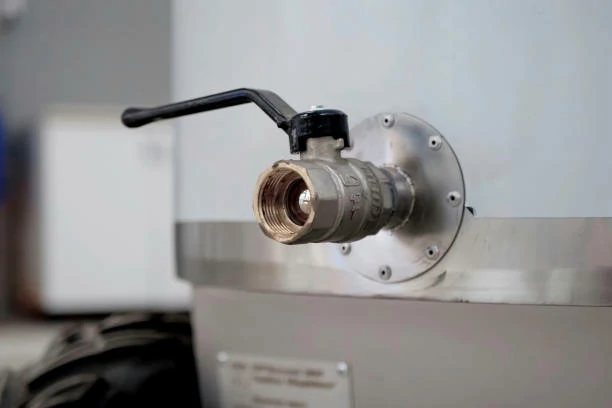
Energy Savings with Radiator Valves
Radiator valves are essential components of home heating systems, offering comfort and energy savings. They control the flow of hot water or steam into radiators, improving energy use. Properly managing heating in your home leads to energy savings, which lowers utility bills and supports sustainability. This article explains how radiator valves can save energy, increase comfort, and improve heating system efficiency.
How Radiator Valves Work
Radiator valves regulate hot water or steam flow into radiators, controlling heat output. Manual valves require users to adjust the flow based on preferences. Thermostatic radiator valves (TRVs) adjust the flow based on room temperature automatically. This precise control ensures rooms stay at the right temperature. TRVs prevent overheating or under-heating and reduce energy waste, optimizing heating efficiency throughout the home.
Thermostatic Radiator Valves (TRVs) and Energy Efficiency
Thermostatic radiator valves (TRVs) improve heating efficiency. TRVs automatically adjust the temperature by controlling the flow of hot water. These valves maintain a comfortable room temperature without manual adjustments. TRVs prevent overheating in occupied rooms and reduce heating in unused areas. Using TRVs can save up to 10% on annual heating costs. They ensure that only necessary areas are heated, optimizing energy use.
Benefits of Zoning with Radiator Valves
Radiator valves allow for zoning, creating different heating areas in your home. With TRVs, you can control the temperature in each room. For example, heat the living room while keeping bedrooms cooler. Zoning avoids wasting energy by heating unused rooms. This custom heating improves comfort and reduces energy consumption. Each room gets the right amount of heat, leading to a more efficient system.
Improving System Efficiency
Radiator valves help heating systems operate more efficiently. They ensure hot water or steam is directed only to areas that need heat. Without valves, heat is distributed equally throughout the house. With valves, the system responds to changing temperatures and demand. This reduces energy waste and maintains a steady temperature. The heating system works more efficiently, reducing energy consumption and utility costs.
Reducing Carbon Footprint
Using radiator valves helps reduce your carbon footprint. Efficient heating means less energy is needed to keep your home warm. Homes are a significant source of carbon emissions, mostly due to heating. By using TRVs, homeowners use less energy and reduce emissions. This step contributes to sustainability and fights climate change. Managing energy efficiently reduces both heating costs and environmental impact.
Cost Savings and Long-Term Benefits
Energy savings from radiator valves lead to significant cost savings. Installing TRVs or upgrading existing valves is a low-cost investment. Over time, the savings on heating bills add up. Less energy waste means lower monthly heating costs. Additionally, TRVs help extend the lifespan of the heating system. Reduced strain on the system prevents costly repairs or replacements in the future.
Future of Radiator Valves and Smart Technology
Smart radiator valves represent the future of home heating. These valves can be controlled remotely via smartphone apps. Smart systems allow users to set schedules based on occupancy patterns. They learn preferences and adjust automatically for maximum efficiency. As smart technology becomes more common, radiator valves will improve energy savings. Remote control and automatic adjustments further reduce energy bills and carbon emissions.
Conclusion
Radiator valves play a key role in saving energy and improving heating efficiency. By regulating the flow of heat, they prevent waste and ensure comfort. TRVs are particularly effective at maintaining a steady temperature while reducing energy use. Zoning, system efficiency, and smart technology further enhance energy savings. These valves lower heating costs, carbon emissions, and support a sustainable lifestyle. Investing in radiator valves offers long-term financial and environmental benefits.
IFAN Products international standards
IFAN products strictly adhere to a comprehensive range of international standards, encompassing ISO 15874, EN 15874, ASTM F2389, DIN 8077/8078, GB/T 18742, NBR 15884, ISO 15494, EN ISO 15494, GB/T 19472, NBR 15494, ASTM 2846 (501), DIN 8079/8080 (502), ASTM F441/F441M SCH80 (503), DIN (504), DIN (505), GB/T 18993, AS/NZS 1477, CSA B137.6, NSF/ANSI 14, TIS 17-2532/1131-2535, BS 3505, BS 4346 (801), ASTM D1785 SCH40 (802), ASTM D1785 SCH80 (803), DIN (804), GB (805), GB (806), GB(901), DWV(902), ASTM D2665 (903), along with ASTM D2241, D2665, D2729, and F441/F441M series, ISO 1452, EN ISO 1452, DIN 8061/8062, GB/T 10002, AS/NZS 1477, JIS K6741, CSA B137.3, and other national and industry norms.
Connect
IFAN is a Chinese manufacturer of plastic pipes, fittings and valves with 30 years of experience. If you are interest in IFAN copper fittings, copper valves, plastic pipes and fittings, please contact us. IFAN offers you a variety of standard pipes to meet your specific needs. Click below to learn more about IFAN’s wide range of affordable and cost-effective valve products and piping system related products.
We will reply your email or fax within 24 hours.
You can call us at any time if there is any question on our production.
For more information,pls visit our webside https://www.waterpipefactory.com/
Pls Mailto: [email protected]
Whatsapp: + 86 152 1588 7738