
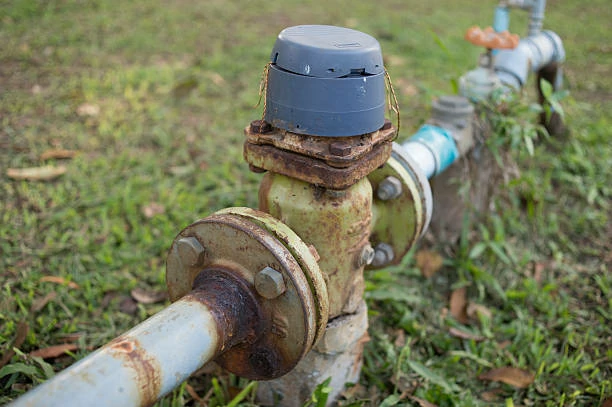
Importance of the Drain Valve
The washing machine drain valve controls wastewater removal. It ensures smooth drainage, preventing water buildup and potential flooding. Regular maintenance keeps the valve functioning properly. Clogs, mineral buildup, and mechanical wear can cause failures. Checking the valve periodically prevents expensive repairs and water damage. A malfunctioning valve leads to slow drainage, leaks, or complete system failure. Homeowners must understand the role of the drain valve and recognize warning signs of malfunction.
A well-maintained drain valve improves washing machine efficiency. It reduces strain on the pump and other components. Lint, detergent residue, and debris accumulate over time, affecting performance. Regular inspection ensures optimal function, extending the machine’s lifespan. Ignoring maintenance leads to costly issues, such as pump failure and mold growth. Proper care minimizes repair expenses and enhances laundry performance. Homeowners can follow simple steps to keep their drain valves in top condition.
Common Issues and Causes
Drain valves experience several problems due to constant exposure to water and debris. Clogs occur when lint, dirt, or fabric fibers accumulate. Mineral deposits from hard water reduce valve efficiency. Mechanical failures result from worn-out seals or broken components. Identifying these problems early prevents further damage. A slow-draining washing machine often indicates a partial blockage. Unusual noises suggest mechanical issues requiring immediate attention.
Leaks around the valve indicate faulty seals or cracks. Persistent odors signal trapped debris or mold growth. Electrical washing machines with automatic drain valves may experience sensor failures. Power surges or moisture exposure damage electronic components, affecting operation. Homeowners must recognize these issues and address them promptly. Routine checks and simple troubleshooting prevent major breakdowns. Understanding common problems helps homeowners take proactive maintenance steps.
Cleaning and Removing Blockages
Regular cleaning removes buildup and prevents blockages. Start by unplugging the washing machine and locating the drain valve. Remove the access panel if necessary. Inspect the valve for visible debris and obstructions. Use a small brush or cloth to clean lint and dirt. A mixture of vinegar and warm water dissolves mineral deposits. Flushing the valve with water ensures all residue is removed.
For stubborn clogs, a plumber’s snake or wire hanger can dislodge debris. Avoid using harsh chemicals, as they may damage rubber seals. If water drains slowly, check the drain hose for additional blockages. A well-maintained drain valve allows wastewater to flow freely. Monthly cleaning prevents excessive buildup and maintains efficient drainage. Homeowners should develop a cleaning routine to avoid unexpected issues. Keeping the valve free from obstructions improves washing machine longevity.
Inspecting and Replacing Components
Routine inspections identify worn-out or damaged parts. Examine the valve seals for cracks or signs of deterioration. Worn-out seals cause leaks, requiring immediate replacement. Check the valve’s spring mechanism for proper tension. Weak springs prevent the valve from closing completely, leading to water leakage. Tighten loose connections to prevent leaks and ensure secure fitting.
Replacing a faulty drain valve involves removing the old component and installing a new one. Turn off the water supply before disassembly. Use appropriate tools to loosen bolts and remove the defective valve. Ensure the replacement valve matches the original specifications. Secure all connections before testing the washing machine. Regular part replacements maintain optimal function and prevent costly breakdowns. Keeping spare components on hand ensures quick repairs when needed.
Preventative Maintenance Tips
Preventative maintenance reduces the risk of drain valve failure. Avoid overloading the washing machine, as excess fabric fibers contribute to clogs. Use the recommended detergent amount to prevent excessive residue buildup. Running a hot water cycle with vinegar once a month cleans internal components. Installing a lint trap on the drain hose captures debris before reaching the valve.
Check for leaks and unusual noises regularly. Address minor issues before they become major problems. If the washing machine is in a hard water area, consider using a water softener. This reduces mineral deposits and extends component lifespan. Following these preventative measures ensures long-term washing machine efficiency. Proper care reduces repair costs and enhances overall performance.
Conclusion
Maintaining the washing machine drain valve ensures proper function and longevity. Regular cleaning, inspections, and component replacements prevent malfunctions. Understanding common issues helps homeowners troubleshoot problems effectively. Simple maintenance steps reduce the risk of costly repairs and water damage. Keeping the drain valve in good condition improves washing machine performance. Homeowners should follow preventative measures to extend appliance lifespan and maintain efficiency.
International Standards for Brass Ball Valves
Brass ball valves are widely used in various fluid control applications due to their durability, reliability, and high resistance to corrosion. To ensure these valves meet the necessary safety and performance requirements, they are designed according to numerous international standards. For instance, ASTM 2846 outlines specifications for thermoplastic ball valves, while DIN 8079/8080 focuses on compatibility with polyethylene and polypropylene pipes. Additionally, standards such as ASTM F441/F441M SCH80 and AS/NZS 1477 ensure the valves’ effectiveness in PVC piping systems. By adhering to these strict regulations, brass ball valves maintain optimal performance, ensuring they are suitable for both residential and industrial settings, including drinking water systems, with certifications like NSF/ANSI 14.
Connect
IFAN is a Chinese manufacturer of plastic pipes, fittings and valves with 30 years of experience. If you are interest in IFAN copper fittings, copper valves, plastic pipes and fittings, please contact us. IFAN offers you a variety of standard pipes to meet your specific needs. Click below to learn more about IFAN’s wide range of affordable and cost-effective valve products and piping system related products.
We will reply your email or fax within 24 hours.
You can call us at any time if there is any question on our production.
For more information,pls visit our webside https://www.waterpipefactory.com/
Pls Mailto: [email protected]
Whatsapp: + 86 152 1588 7738