
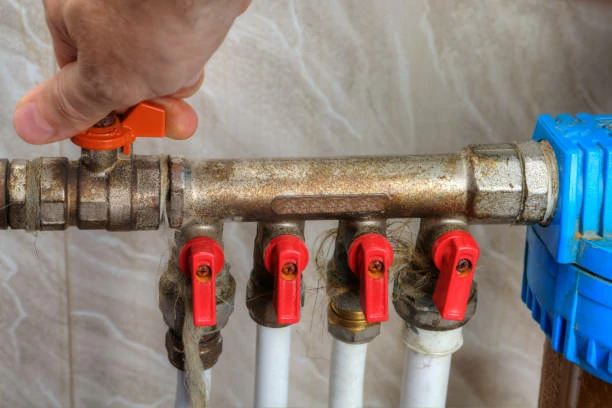
Valve control systems play a crucial role in industrial applications, especially in sectors like oil and gas, water treatment, and power generation. These systems manage the flow of fluids and gases by controlling valves, which regulate pressure, temperature, and flow rates. Efficient valve control systems ensure smooth operations and prevent system failures, resulting in increased performance and cost savings. Understanding how these systems work and how they can be optimized is vital for industries that rely on fluid and gas flow control.
1. Basics of Valve Control Systems
Valve control system consist of a combination of valves, actuators, and controllers. The valve acts as the physical barrier, regulating the flow of fluid. Actuators, which can be electric, pneumatic, or hydraulic, move the valve based on signals from the controller. The controller receives inputs from sensors that monitor flow conditions and sends the appropriate command to adjust the valve position. For example, in a water treatment plant, a valve control system can adjust the flow rate of water based on real-time sensor data, ensuring optimal treatment processes.
2. The Importance of Performance and Efficiency
Maximizing the performance and efficiency of valve control systems is crucial for maintaining operational reliability. A well-optimized system reduces energy consumption, lowers operational costs, and extends the lifespan of equipment. For instance, in chemical plants, valve control system regulate the flow of raw materials through pipelines. By ensuring accurate control, these systems prevent wastage, minimize downtime, and reduce the need for frequent maintenance. This approach not only improves performance but also contributes to the overall profitability of the plant.
3. Key Factors Affecting Performance
Several factors impact the performance of valve control systems. The type of actuator used, the sensitivity of sensors, and the calibration of controllers are all critical. For example, using a highly responsive actuator improves the system’s ability to adjust quickly to changes in demand. Similarly, sensors that provide real-time data on pressure, temperature, and flow rates help the controller make precise adjustments. Additionally, the design of the piping system and the type of valve chosen can also influence system performance. Choosing the right components is essential for ensuring seamless operations.
4. Optimizing Valve Control Systems
Optimization of valve control systems involves fine-tuning several components to work in harmony. Regular maintenance is essential to ensure that valves and actuators function as intended. It includes checking for wear and tear, cleaning components, and recalibrating sensors. Automation technology also plays a significant role in optimizing performance. Smart valve control systems, which incorporate machine learning algorithms, can predict maintenance needs and adjust settings autonomously based on real-time data. This reduces human error and increases efficiency by minimizing the need for manual intervention.
5. Example of Valve Control System in the Oil and Gas Industry
In the oil and gas industry, valve control systems are crucial for ensuring the safe and efficient transport of crude oil and natural gas. These systems are designed to handle high pressures and temperatures while maintaining precise control over the flow of substances through pipelines. For example, during the extraction process, valve control systems manage the flow of gas and oil from wells to processing facilities. By maintaining optimal pressure and flow, the system prevents pipeline leaks, reduces the risk of accidents, and ensures smooth operation. Such systems are typically equipped with fail-safe mechanisms to prevent catastrophic failures.
6. Future Trends and Technological Advances
The future of valve control systems lies in the integration of advanced technologies like the Internet of Things (IoT), Artificial Intelligence (AI), and Big Data. These technologies offer the potential for more efficient and accurate valve control. IoT allows for real-time remote monitoring, AI can optimize valve settings based on operational conditions, and Big Data analytics helps identify performance trends and maintenance needs. As industries continue to embrace these innovations, valve control systems will become smarter, more energy-efficient, and capable of meeting the demands of an increasingly complex industrial environment.
In conclusion, optimizing valve control systems is essential for improving performance and efficiency in various industrial sectors. Understanding how these systems work, addressing factors affecting their performance, and embracing new technologies will help industries achieve better results while reducing operational costs and risks. As technology advances, the future of valve control systems looks promising, offering even greater potential for automation and optimization.
International Standards for Brass Ball Valves
Brass ball valves are widely used in various fluid control applications due to their durability, reliability, and high resistance to corrosion. To ensure these valves meet the necessary safety and performance requirements, they are designed according to numerous international standards. For instance, ASTM 2846 outlines specifications for thermoplastic ball valves, while DIN 8079/8080 focuses on compatibility with polyethylene and polypropylene pipes. Additionally, standards such as ASTM F441/F441M SCH80 and AS/NZS 1477 ensure the valves’ effectiveness in PVC piping systems. By adhering to these strict regulations, brass ball valves maintain optimal performance, ensuring they are suitable for both residential and industrial settings, including drinking water systems, with certifications like NSF/ANSI 14.
Connect
IFAN is a Chinese manufacturer of plastic pipes, fittings and valves with 30 years of experience. If you are interest in IFAN copper fittings, copper valves, plastic pipes and fittings, please contact us. IFAN offers you a variety of standard pipes to meet your specific needs. Click below to learn more about IFAN’s wide range of affordable and cost-effective valve products and piping system related products.
We will reply your email or fax within 24 hours.
You can call us at any time if there is any question on our production.
For more information,pls visit our webside https://www.waterpipefactory.com/
Pls Mailto: [email protected]
Whatsapp: + 86 152 1588 7738