
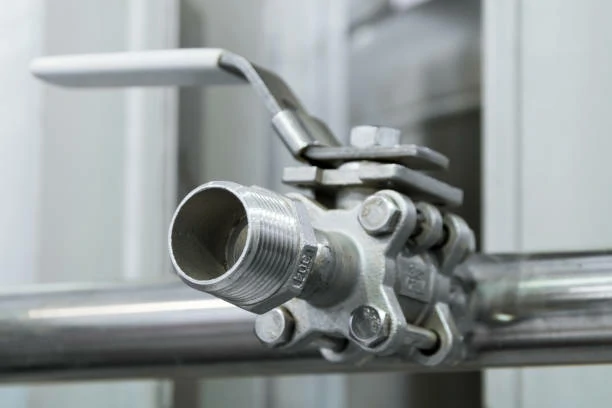
Relief valves play a critical role in maintaining the safety and efficiency of various systems, such as hydraulic, steam, and gas systems. These valves are designed to protect equipment and operators from dangerous pressure levels by allowing excess pressure to escape safely. Without relief valves, pressure build-up could lead to catastrophic system failures, resulting in costly damage or even injury. This article explores how relief valves work, their importance in different industries, and how they prevent system failures.
1. The Function of Relief Valves
Relief valves are essential components in many pressure-driven systems. Their primary function is to regulate pressure within a defined safe range by automatically releasing excess pressure. When the system pressure exceeds the set threshold, the relief valve opens, allowing fluid or gas to escape and relieving pressure from the system. This action prevents damage to pipes, tanks, and other equipment, avoiding catastrophic failures.
For instance, in a hydraulic system, if the pressure exceeds the pre-set limit, the relief valve opens to prevent the pressure from reaching dangerous levels. In a steam system, a pressure relief valve ensures that the pressure remains within safe operating limits, preventing boiler explosions. The design of these valves is crucial, as they must open quickly and reliably to ensure immediate pressure relief.
2. Preventing Overpressure Damage
One of the most significant roles of relief valves is to prevent overpressure damage to equipment. Overpressure occurs when pressure within a system exceeds its design limit. This can lead to ruptures, leaks, or equipment failure. A relief valve effectively prevents these failures by diverting excess pressure before it causes damage.
In an industrial setting, consider a pressure vessel used for storing gas. Without a relief valve, any pressure increase could result in the vessel bursting, which would release gas and cause hazardous consequences. The relief valve’s role is to keep the pressure within a safe limit, ensuring that the vessel can operate securely under normal conditions.
A typical example is the use of relief valves in water heating systems. If the temperature and pressure inside the boiler rise too high, the relief valve opens, releasing steam or water to reduce pressure. This process helps to maintain safe operation and prevents the risk of boiler explosions.
3. Protecting Workers and Equipment
Relief valves are also crucial in protecting workers and equipment from potential hazards associated with overpressure. High-pressure systems can be dangerous, especially if they are used in industries such as oil and gas, chemical processing, or power generation. A malfunctioning or absent relief valve can expose workers to the risk of serious accidents, such as fires, explosions, or toxic exposure.
For example, in a chemical plant, certain reactors operate under high pressure. Without an effective relief valve, if the pressure exceeds safe levels, the reactor could rupture, releasing harmful chemicals into the environment. This not only poses a direct danger to workers but could also cause widespread environmental damage. By ensuring the relief valve is functioning properly, plants can protect both employees and surrounding communities.
Relief valves also prevent costly repairs. Equipment failures caused by overpressure often result in the need for extensive repairs or even replacement of critical parts. In addition to the financial cost, system downtime can severely impact productivity. Therefore, relief valves play a preventive role in both safeguarding human health and reducing operational costs.
4. Preventing Catastrophic Failures in Different Systems
Different industries use various types of relief valves to safeguard their systems. For example, in the oil and gas industry, pressure relief valves are critical for maintaining the safety of pipelines and storage tanks. These valves release pressure when the system experiences overpressure due to external factors like temperature changes or internal issues such as valve malfunctions.
In the case of gas pipelines, excessive pressure can cause the pipes to rupture, leading to dangerous explosions. By installing pressure relief valves at strategic points along the pipeline, operators can maintain a safe operating pressure and prevent pipeline ruptures. Similarly, in chemical plants, reactors use relief valves to release pressure in case of a malfunction or process upset, thereby averting dangerous chemical reactions that could lead to fires or toxic releases.
In the automotive industry, hydraulic relief valves are used in braking systems to prevent excessive pressure buildup in brake lines. When pressure exceeds a safe level, the valve opens, allowing the brake fluid to escape, thus preventing brake failure. Relief valves are also used in many other sectors, including food processing, water treatment, and HVAC systems.
5. Types of Relief Valves
There are several types of relief valves, each designed for specific applications. The two most common types are spring-loaded and pilot-operated relief valves. Each type works differently but shares the goal of controlling pressure within a system.
Spring-loaded relief valves are the most widely used. They feature a spring mechanism that holds the valve closed until the pressure exceeds a set point. When the pressure reaches the threshold, the spring compresses, opening the valve and releasing excess pressure. These valves are simple to use and maintain, making them suitable for a wide range of applications.
Pilot-operated relief valves, on the other hand, are used in high-pressure systems that require more precise control. These valves operate with the help of a secondary pressure-sensing mechanism, which makes them more responsive to pressure fluctuations. Pilot-operated valves are typically used in large-scale industrial systems where accuracy and efficiency are critical. They provide better performance in situations where the pressure changes rapidly or fluctuates frequently.
6. Regular Maintenance and Testing of Relief Valves
To ensure the continued effectiveness of relief valve, regular maintenance and testing are essential. Over time, wear and tear can affect the performance of the valve, leading to failure when needed most. Routine inspections should be conducted to check for leaks, damage, and corrosion that could interfere with the valve’s operation.
One common method of testing relief valves is the use of pressure tests, where the system is pressurized to a specified level to ensure the valve opens at the correct pressure. Another important maintenance task is checking for any buildup of dirt or debris that could block the valve’s mechanism. Cleaning and lubricating the valve regularly can prevent such issues.
In addition to regular checks, it is important to replace relief valves when they reach the end of their service life or show signs of failure. Having backup valves or redundant systems in place can further reduce the risk of failure, ensuring that the system remains protected at all times.
Conclusion
Relief valves are crucial in preventing system failures caused by overpressure. They play an essential role in protecting both equipment and personnel in industries like oil and gas, chemical processing, power generation, and many others. By automatically releasing excess pressure, relief valves prevent catastrophic failures that could otherwise result in costly repairs, hazardous situations, and safety concerns.
Choosing the right type of relief valve and ensuring regular maintenance and testing are key to keeping systems operating safely and efficiently. Regular inspections and prompt repairs can ensure that relief valves continue to perform optimally, providing peace of mind and preventing dangerous accidents.
International Standards for Brass Ball Valves
Brass ball valves are widely used in various fluid control applications due to their durability, reliability, and high resistance to corrosion. To ensure these valves meet the necessary safety and performance requirements, they are designed according to numerous international standards. For instance, ASTM 2846 outlines specifications for thermoplastic ball valves, while DIN 8079/8080 focuses on compatibility with polyethylene and polypropylene pipes. Additionally, standards such as ASTM F441/F441M SCH80 and AS/NZS 1477 ensure the valves’ effectiveness in PVC piping systems. By adhering to these strict regulations, brass ball valves maintain optimal performance, ensuring they are suitable for both residential and industrial settings, including drinking water systems, with certifications like NSF/ANSI 14.
Connect
IFAN is a Chinese manufacturer of plastic pipes, fittings and valves with 30 years of experience. If you are interest in IFAN copper fittings, copper valves, plastic pipes and fittings, please contact us. IFAN offers you a variety of standard pipes to meet your specific needs. Click below to learn more about IFAN’s wide range of affordable and cost-effective valve products and piping system related products.
We will reply your email or fax within 24 hours.
You can call us at any time if there is any question on our production.
For more information,pls visit our webside https://www.waterpipefactory.com/
Pls Mailto: [email protected]
Whatsapp: + 86 152 1588 7738