
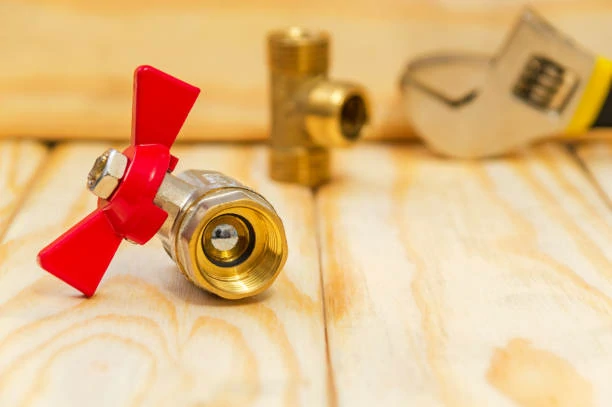
Introduction to Thermostat Valves
Thermostat valves are crucial components in heating and cooling systems. These valves regulate the flow of fluids based on temperature changes, ensuring energy efficiency. By adjusting the flow automatically, thermostat valves prevent unnecessary heating or cooling. They are commonly used in systems like HVAC, underfloor heating, and industrial machinery. These valves enhance temperature control, reducing the need for constant manual adjustments. As energy costs rise, adopting thermostat valves has become essential for optimizing energy consumption. The result is improved comfort, reduced energy waste, and lowered operational costs.
Thermostat valves also contribute to the longevity of heating and cooling systems. By maintaining stable temperatures and reducing excessive wear, they prevent overheating or overcooling, which can strain components and shorten their lifespan. In industrial applications, these valves help maintain precise temperature control for critical processes, ensuring optimal performance and preventing costly downtime. With the increasing focus on sustainability and energy conservation, thermostat valves provide an effective solution for both residential and industrial systems to meet modern efficiency standards. Their ability to automate temperature regulation helps systems operate more smoothly, promoting sustainability and reducing environmental impact.
How Thermostat Valves Workves in Residential Heating
In residential heating systems, thermostat valves improve both comfort and energy efficiency. They maintain a stable temperature in each room by automatically adjusting the flow of hot water or air. For example, in a radiator system, thermostat valves ensure that radiators only release heat when needed. This prevents overheating and minimizes energy waste. Moreover, thermostat valves can be integrated into zoning systems, where each room or zone has its own temperature control. This targeted heating reduces energy usage, ensuring that heating only occurs where necessary, thus saving energy and reducing costs.
Applications in Industrial Systems
Thermostat valves also play a significant role in industrial systems, particularly in manufacturing processes and large-scale heating applications. In industries where precise temperature control is critical, thermostat valves regulate heating or cooling fluid to maintain optimal conditions. For instance, in chemical processing, thermostat valves control the temperature of reactions by regulating the flow of cooling water. This helps prevent overheating, ensuring both energy efficiency and safety. These valves can handle high pressures and temperatures, making them versatile components in many industrial systems. By maintaining consistent temperature control, thermostat valves improve system performance and reduce energy consumption.
Energy Savings through Automated Temperature Control
One of the key ways thermostat valves improve energy efficiency is through automated temperature control. By eliminating the need for manual adjustments, these valves reduce human error and optimize system performance. For example, in HVAC systems, thermostat valves automatically adjust the temperature of the air circulating through the system. This leads to reduced energy consumption by ensuring that the system only operates when necessary. Automated control also prevents energy wastage from overheating or overcooling, thus lowering energy bills. With the ability to adapt to changing temperature demands, thermostat valves ensure that energy is used more effectively and efficiently.
Impact on Sustainability and Environmental
Thermostat valves play a crucial role in enhancing energy efficiency across various systems. From residential heating to industrial applications, these valves ensure optimal temperature control, reducing energy consumption and improving system performance. By automatically regulating fluid flow based on temperature changes, thermostat valves eliminate the need for constant manual adjustments, ultimately conserving energy and lowering costs. Their integration into heating and cooling systems contributes to sustainability efforts and helps reduce environmental impacts. As energy efficiency becomes increasingly important, the role of thermostat valve will continue to grow in both residential and industrial sectors, providing an effective solution for reducing energy waste.
Conclusion
Thermostat valve play a crucial role in enhancing energy efficiency across various systems. From residential heating to industrial applications, these valves ensure optimal temperature control, reducing energy consumption and improving system performance. By automatically regulating fluid flow based on temperature changes, thermostat valve eliminate the need for constant manual adjustments, ultimately conserving energy and lowering costs. Their integration into heating and cooling systems contributes to sustainability efforts and helps reduce environmental impacts. As energy efficiency becomes increasingly important, the role of thermostat valve will continue to grow in both residential and industrial sectors, providing an effective solution for reducing energy waste.
In the future, innovations in thermostat valve technology will likely further enhance their efficiency and adaptability. As the world moves toward more sustainable practices, these valves will play a key part in optimizing energy usage. With the growing demand for energy conservation, thermostat valve offer a practical and cost-effective solution for achieving long-term energy savings and reducing environmental footprints. Their continued development will contribute to smarter, greener systems, benefiting both consumers and industries alike.
International Standards for Brass Ball Valves
Brass ball valves are widely used in various fluid control applications due to their durability, reliability, and high resistance to corrosion. To ensure these valves meet the necessary safety and performance requirements, they are designed according to numerous international standards. For instance, ASTM 2846 outlines specifications for thermoplastic ball valves, while DIN 8079/8080 focuses on compatibility with polyethylene and polypropylene pipes. Additionally, standards such as ASTM F441/F441M SCH80 and AS/NZS 1477 ensure the valves’ effectiveness in PVC piping systems. By adhering to these strict regulations, brass ball valves maintain optimal performance, ensuring they are suitable for both residential and industrial settings, including drinking water systems, with certifications like NSF/ANSI 14.
Connect
IFAN is a Chinese manufacturer of plastic pipes, fittings and valves with 30 years of experience. If you are interest in IFAN copper fittings, copper valves, plastic pipes and fittings, please contact us. IFAN offers you a variety of standard pipes to meet your specific needs. Click below to learn more about IFAN’s wide range of affordable and cost-effective valve products and piping system related products.
We will reply your email or fax within 24 hours.
You can call us at any time if there is any question on our production.
For more information,pls visit our webside https://www.waterpipefactory.com/
Pls Mailto: [email protected]
Whatsapp: + 86 152 1588 7738