
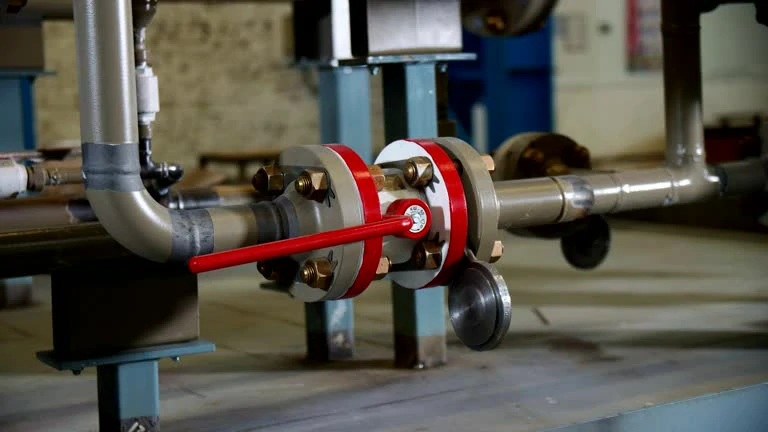
Introduction: The Importance of Non-Return Valves
Non-return valves, also known as check valves, are vital components in fluid and gas systems, ensuring that the flow moves only in one direction. They are essential in various applications, including water supply, wastewater treatment, and industrial fluid systems. PVC (Polyvinyl Chloride) non-return valves are widely used due to their corrosion resistance, durability, and low cost. The right selection of PVC valve depends on factors such as application, material, pressure, and flow rate. Properly chosen and maintained, these valves prevent system failure and ensure operational efficiency.
Role of Non-Return Valves in Fluid Systems
Non-return valves play an essential role in maintaining the integrity of fluid systems. They prevent backflow, which can lead to contamination or damage to the system. In a water distribution system, backflow could introduce pollutants or bacteria into clean water. In industrial applications, backflow might cause pumps to reverse, leading to damage. By ensuring a one-way flow, these valves help to protect both the system and the products being transported. PVC non-return valves are particularly useful in handling non-corrosive fluids, ensuring long-lasting protection for the system.
Selecting the Right PVC Non-Return Valve Size
The material of the valve is another crucial factor to consider. PVC is a popular choice due to its resistance to corrosion, ease of installation, and affordability. However, PVC may not be suitable for all fluid types. It works well with water-based fluids, mild chemicals, and sewage, but it may not withstand extreme temperatures or highly corrosive chemicals. In systems dealing with more aggressive fluids, valves made from stainless steel or brass may be necessary. Ensuring that the valve material is compatible with the transported fluid guarantees long-term performance and reliability.
Pressure and Temperature Ratings of PVC Non-Return Valve
Pressure and temperature ratings are vital when selecting a PVC non-return valve. Every valve has an optimal pressure range, and exceeding this range can lead to valve failure or leakage. PVC valves generally have lower pressure and temperature limits compared to metal valves, which makes them suitable for medium or low-pressure systems. It is crucial to choose a valve with the correct pressure and temperature rating that matches your system’s operating conditions. If the system operates under higher pressure or temperature, it is better to consider alternatives like stainless steel check valves for better durability and performance.
Design Features of PVC Non-Return Valve
PVC non-return valves come in several designs to meet different system needs. Common designs include swing check valves, lift check valves, and spring-loaded check valves. Swing check valves operate with a hinged disc that swings to allow fluid flow and closes when the flow stops. Lift check valves have a moving part that rises off the valve seat when flow occurs, while spring-loaded check valves feature a spring mechanism that ensures the valve remains closed when no flow is present. The valve design should match the specific needs of the system. For example, swing check valves are ideal for low-flow applications, while spring-loaded valves are suitable for systems with fluctuating flow rates.
Maintaining PVC Non-Return Valve for Longevity
Maintaining PVC non-return valves is essential for ensuring their longevity and performance. Regular inspection of valves helps identify issues such as leaks, wear, or clogging. Over time, debris or particles can accumulate inside the valve, affecting its ability to close properly and preventing efficient fluid flow. Proper cleaning, lubrication, and sealing help maintain the valve’s functionality. Additionally, periodic checks for corrosion or damage due to high pressure or temperature extremes can prevent unexpected failures. Keeping the valve in good condition ensures smooth operation and reduces the risk of costly downtime or repairs.
Applications of PVC Non-Return Valve
PVC non-return valves find use in a variety of applications. In residential plumbing, they prevent water from flowing back into the clean water supply, which is crucial for maintaining safe water quality. In irrigation systems, PVC non-return valves control water flow, ensuring that water moves only in one direction to the crops. They are also commonly used in industrial processes where backflow could lead to contamination or system damage. For instance, in wastewater treatment plants, these valves are used to prevent the backflow of treated water into raw water lines. By choosing the right valve for these applications, operators can ensure reliable, long-term performance and prevent disruptions.
Conclusion: Ensuring Optimal Performance
Selecting the right PVC non-return valve is essential for maintaining the integrity of fluid and gas systems. Factors like valve size, material compatibility, pressure and temperature ratings, and design features must all be considered to ensure optimal performance. PVC valves are a cost-effective solution for systems handling water and mild chemicals, offering durability and ease of installation. However, it is important to match the valve specifications to the system’s requirements to avoid operational issues. Regular maintenance also plays a critical role in extending the life of PVC non-return valves. By following these guidelines, operators can ensure efficient, safe, and reliable system operation.
International Standards for Brass Ball Valves
Brass ball valves are widely used in various fluid control applications due to their durability, reliability, and high resistance to corrosion. To ensure these valves meet the necessary safety and performance requirements, they are designed according to numerous international standards. For instance, ASTM 2846 outlines specifications for thermoplastic ball valves, while DIN 8079/8080 focuses on compatibility with polyethylene and polypropylene pipes. Additionally, standards such as ASTM F441/F441M SCH80 and AS/NZS 1477 ensure the valves’ effectiveness in PVC piping systems. By adhering to these strict regulations, brass ball valves maintain optimal performance, ensuring they are suitable for both residential and industrial settings, including drinking water systems, with certifications like NSF/ANSI 14.
Connect
IFAN is a Chinese manufacturer of plastic pipes, fittings and valves with 30 years of experience. If you are interest in IFAN copper fittings, copper valves, plastic pipes and fittings, please contact us. IFAN offers you a variety of standard pipes to meet your specific needs. Click below to learn more about IFAN’s wide range of affordable and cost-effective valve products and piping system related products.
We will reply your email or fax within 24 hours.
You can call us at any time if there is any question on our production.
For more information,pls visit our webside https://www.waterpipefactory.com/
Pls Mailto: [email protected]
Whatsapp: + 86 152 1588 7738