
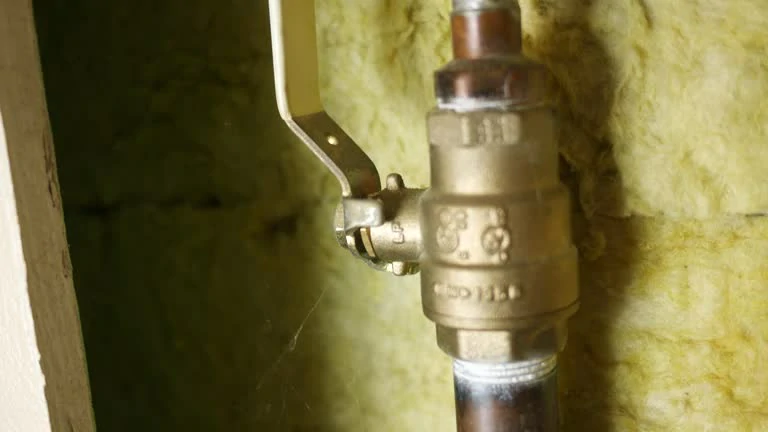
Introduction to Thermostat Valve in HVAC Systems
Thermostat valves play a crucial role in maintaining temperature control in HVAC systems. These valves regulate the flow of hot or cold water or air depending on the system’s needs. They adjust automatically to maintain a stable environment, enhancing energy efficiency and comfort. By responding to temperature changes, they prevent overcooling or overheating. HVAC systems with thermostat valves offer better control and reduced energy consumption, making them ideal for both residential and commercial applications. This article explores the best thermostat valves for HVAC systems, their features, and how they improve system performance.
Thermostat valves are commonly used in modern HVAC systems due to their ability to enhance system efficiency and provide precise temperature control. These valves play a key role in ensuring consistent and comfortable indoor environments by adjusting the flow of air or water based on real-time temperature readings. In addition to their primary function of regulating temperature, thermostat valves can also help reduce wear and tear on HVAC equipment by preventing the system from working overtime. As a result, they extend the lifespan of heating and cooling units, making them a cost-effective solution for long-term performance. Properly selected and installed thermostat valves are essential for optimizing HVAC operations in various settings.
Types of Thermostat Valve for HVAC Systems
There are various types of thermostat valves, including manual, electronic, and thermostatic radiator valves (TRVs). Manual valves require manual adjustments to control temperature, which can be less efficient. Electronic thermostat valves use sensors to adjust temperature and are typically more precise. TRVs are popular for controlling individual radiators in residential settings. Each type offers different advantages depending on the specific needs of the HVAC system. Choosing the right valve type depends on the desired level of control, energy efficiency, and ease of use.
Benefits of Thermostat Valve in HVAC Systems
Selecting the right thermostat valve for an HVAC system involves considering factors such as compatibility, ease of installation, and efficiency. For instance, electronic thermostat valves are ideal for precise temperature control, while manual valves are more suited for simpler applications. Additionally, the size of the HVAC system plays a role in determining the appropriate valve. In larger systems, multi-zone thermostat valves are necessary to control the temperature in each zone effectively. It’s important to consider the overall goals for energy efficiency and comfort when making a decision.
How Thermostat Valves Enhance Energy Efficiency
Energy efficiency is a major concern in HVAC systems, and thermostat valves play a significant role in optimizing energy use. By ensuring that the system runs only when necessary, these valves prevent overcooling or overheating. This results in less energy consumption, reducing heating and cooling costs. Thermostat valves are particularly effective in systems with fluctuating temperatures, as they adjust the flow to maintain a consistent temperature. Moreover, when installed in multi-zone systems, they allow for more efficient distribution of energy throughout the building, ensuring that each area receives the necessary amount of heating or cooling.
Installation Tips for Thermostat Valves in HVAC Systems
Proper installation of thermostat valve is essential for maximizing performance. It’s important to install the valves in the correct location within the HVAC system to ensure accurate temperature readings. For example, placing a valve near a heat source can lead to inaccurate readings and improper adjustments. When installing thermostat valves, it’s also crucial to ensure that the system is properly calibrated. Incorrect installation can result in system inefficiencies or even damage to the components. If unsure, it’s advisable to consult a professional HVAC technician to ensure proper installation and optimal performance.
Maintenance of Thermostat Valve
Regular maintenance of thermostat valve ensures their long-term effectiveness and prevents potential issues. Cleaning the valve and checking for wear or damage are important steps to maintain proper function. Over time, debris and mineral buildup can clog the valve, causing it to malfunction. Periodically checking the valve’s calibration ensures that the temperature control remains accurate. It’s also essential to verify that the valve is properly connected to the HVAC system to prevent leaks or inefficiencies. Regular maintenance can extend the lifespan of the thermostat valve and improve the overall performance of the HVAC system.
Conclusion: Maximizing Performance with Thermostat Valve
Thermostat valves are essential components in HVAC systems, offering precise temperature control, improved comfort, and enhanced energy efficiency. By choosing the right valve type and ensuring proper installation and maintenance, homeowners and businesses can optimize the performance of their HVAC systems. These valves help reduce energy consumption, minimize operational costs, and maintain consistent indoor temperatures. In addition, thermostat valves enable zoning capabilities, improving comfort in multi-zone systems. Whether for residential or commercial applications, thermostat valves are a key tool in achieving energy-efficient, reliable, and comfortable HVAC performance.
International Standards for Brass Ball Valves
Brass ball valves are widely used in various fluid control applications due to their durability, reliability, and high resistance to corrosion. To ensure these valves meet the necessary safety and performance requirements, they are designed according to numerous international standards. For instance, ASTM 2846 outlines specifications for thermoplastic ball valves, while DIN 8079/8080 focuses on compatibility with polyethylene and polypropylene pipes. Additionally, standards such as ASTM F441/F441M SCH80 and AS/NZS 1477 ensure the valves’ effectiveness in PVC piping systems. By adhering to these strict regulations, brass ball valves maintain optimal performance, ensuring they are suitable for both residential and industrial settings, including drinking water systems, with certifications like NSF/ANSI 14.
Connect
IFAN is a Chinese manufacturer of plastic pipes, fittings and valves with 30 years of experience. If you are interest in IFAN copper fittings, copper valves, plastic pipes and fittings, please contact us. IFAN offers you a variety of standard pipes to meet your specific needs. Click below to learn more about IFAN’s wide range of affordable and cost-effective valve products and piping system related products.
We will reply your email or fax within 24 hours.
You can call us at any time if there is any question on our production.
For more information,pls visit our webside https://www.waterpipefactory.com/
Pls Mailto: [email protected]
Whatsapp: + 86 152 1588 7738