
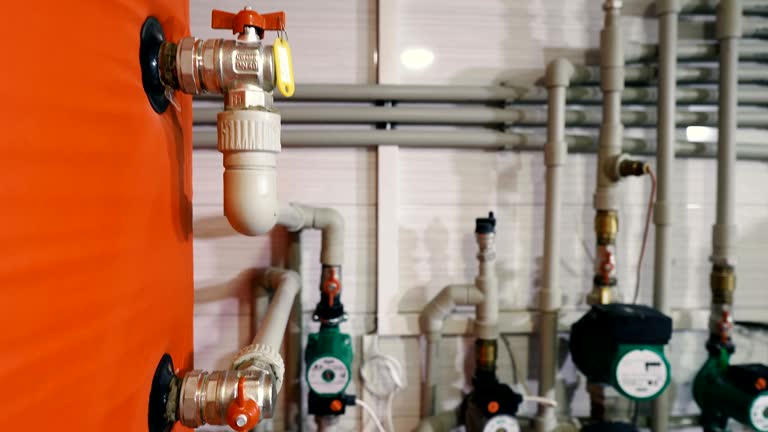
1. Material Composition and Corrosion Resistance
Chromed brass ball valves combine brass alloys (copper-zinc) with electroplated chromium layers to achieve superior durability. Brass provides structural integrity, while chromium plating enhances resistance to corrosion, abrasion, and chemical exposure. Advanced alloys, such as lead-free CW617N, comply with EN 12165 standards for potable water safety. Manufacturers optimize chromium thickness (typically 0.3–0.5 microns) to balance aesthetics and performance in harsh environments like marine or chemical processing.
2. Precision Machining and Manufacturing Processes
CNC machining ensures tight tolerances for valve components like balls, stems, and seats. Multi-axis machines carve spherical balls with surface roughness below 0.8 µm, minimizing friction and wear. Automated threading systems create leak-proof NPT or BSPP connections. Electroplating lines use trivalent chromium baths to meet RoHS and REACH environmental mandates, replacing toxic hexavalent chromium. Post-plating passivation treatments further boost corrosion resistance.
3. Sealing Technologies and Leak Prevention
Chromed brass ball valves employ PTFE (Teflon) or reinforced thermoplastic seats for zero-leakage performance. High-pressure applications use spring-loaded stem seals to maintain integrity under thermal expansion. Double-sealed designs with O-rings isolate the stem from media, preventing external leaks. Computational fluid dynamics (CFD) simulations optimize sealing geometries, reducing torque requirements by 20–30% while ensuring API 598-compliant shutoff.
4. Temperature and Pressure Tolerance
Engineers design chromed brass valves to withstand extreme conditions. Full-port ball valves handle temperatures from -20°C to 200°C, suitable for steam lines or refrigeration. Pressure ratings exceed 1000 PSI in ASME B16.34-certified models. Finite element analysis (FEA) validates stress distribution under cyclic loading, extending service life in oil and gas pipelines. Cryogenic treatments stabilize brass microstructure for liquefied natural gas (LNG) applications.
5. Smart Valve Integration and IoT Capabilities
Next-gen chromed brass valves embed IoT sensors to monitor parameters like flow rate, pressure, and temperature. Wireless modules transmit data to SCADA systems, enabling predictive maintenance. Actuators with Modbus or BACnet protocols allow remote control via building automation systems. Energy-efficient designs reduce power consumption for battery-operated smart valves in off-grid water networks. Cybersecurity protocols protect against hacking in critical infrastructure.
6. Compliance with Global Standards
Chromed brass ball valves adhere to region-specific certifications: ASTM D2513 for gas pipelines, ISO 4437 for polyethylene compatibility, and GB/T 13663 for Chinese water systems. NSF/ANSI 61 certification ensures safe drinking water contact, while CSA B137.1 validates performance in North American HVAC systems. Third-party labs test valves against ISO 5208 leakage standards, with Class VI (bubble-tight) being industry gold.
7. Maintenance and Failure Diagnostics
AI-driven diagnostic tools analyze valve performance trends, flagging issues like seat wear or stem corrosion. Ultrasonic testing detects micro-cracks in brass bodies before failures occur. Self-lubricating stem designs minimize manual maintenance. QR codes on valve bodies link to digital manuals, offering AR-guided repair tutorials. Manufacturers recommend annual torque tests and seal replacements to uphold DIN 8074/8075 operational guidelines.
8. Future Innovations and Sustainable Engineering
Research focuses on biodegradable chrome alternatives and graphene-enhanced coatings for higher wear resistance. Additive manufacturing (3D printing) produces lightweight, topology-optimized valve bodies with 30% less material waste. Hydrogen-compatible chromed brass valves, tested under ISO 19880-3, support green energy transitions. Closed-loop recycling systems reclaim brass scrap, aligning with circular economy principles.
Conclusion
Chromed brass ball valve technology continuously evolves through material science, digital integration, and sustainable practices. By mastering precision engineering and compliance, manufacturers deliver valves that excel in reliability, efficiency, and adaptability—cornerstones of modern fluid control systems across industries.
IFAN Ball Valves: Global Compliance & Precision
IFAN designs chromed brass ball valves meeting global standards—ASTM D2513, ISO 4437, EN 1555, DIN 8074/8075, GB/T 13663, AS/NZS 4130, BS 5405, CSA B137.1, and JIS B 8381—ensuring durability, leak-proof performance, and compatibility across residential, industrial, and municipal applications worldwide.
Connect
IFAN is a Chinese manufacturer of plastic pipes, fittings and valves with 30 years of experience. If you are interest in IFAN copper fittings, copper valves, plastic pipes and fittings, please contact us. IFAN offers you a variety of standard pipes to meet your specific needs. Click below to learn more about IFAN’s wide range of affordable and cost-effective valve products and piping system related products.
We will reply your email or fax within 24 hours.
You can call us at any time if there is any question on our production.
For more information,pls visit our webside https://www.waterpipefactory.com/
Pls Mailto: [email protected]
Whatsapp: + 86 152 1588 7738