
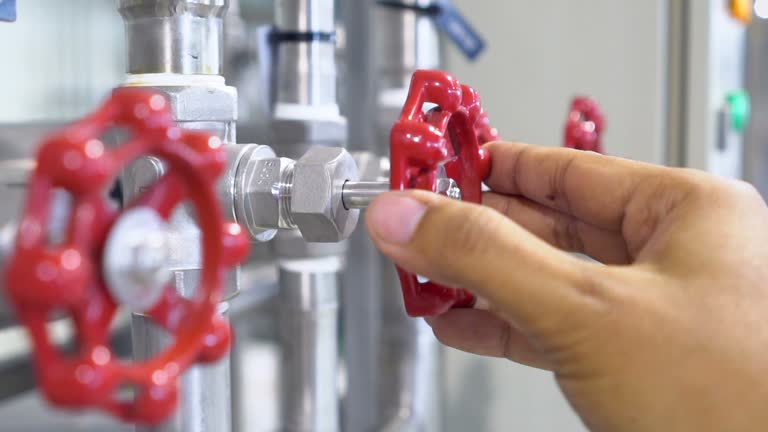
Introduction: Understanding the Functionality of a Brass Angle Valve
A brass angle valve serves as a crucial component in plumbing and fluid control systems. Its design enables precise regulation of liquid or gas flow while ensuring durability and efficiency. Unlike straight valves, an angle valve diverts flow at a 90-degree angle, optimizing space and performance. Understanding the mechanical principles behind its operation helps in selecting the right valve for various applications.
1. Structural Design and Components
A brass angle valve consists of several key components that work together to control fluid movement. The main body, made from brass, provides structural integrity and resistance to corrosion. Inside, a rotating stem connects to a control handle, allowing users to open or close the valve. A rubber or metal seal, often positioned near the inlet, prevents leaks and ensures smooth operation. The outlet, positioned at a right angle to the inlet, redirects the flow efficiently.
2. Flow Control Mechanism
The brass angle valve operates using a simple yet effective flow control mechanism. Turning the handle moves the internal stem up or down, adjusting the opening for fluid passage. When the valve opens, liquid or gas flows freely through the chamber and exits at the designated outlet. When closed, the stem presses firmly against the seat, blocking movement entirely. This mechanism provides an on-off function and allows partial regulation of the flow rate.
3. Role of the Seal in Preventing Leakage
A properly designed seal plays a crucial role in ensuring leak-proof operation. The seal, often made of rubber, PTFE, or metal, forms a tight barrier between the moving stem and the valve seat. During operation, the seal adjusts to pressure changes, maintaining an airtight closure when necessary. If the seal wears out or deforms, leaks may occur, affecting performance. Regular maintenance ensures the seal remains intact for long-lasting efficiency.
4. Pressure and Flow Dynamics
Pressure and flow rate directly impact the performance of a brass angle valve. When fluid enters the valve, the internal chamber directs the flow toward the outlet while maintaining consistent pressure levels. If the valve partially closes, resistance increases, reducing the flow rate. Higher pressure systems require robust designs to withstand force without deformation. Engineers calculate pressure tolerances to ensure compatibility with specific plumbing setups.
5. Material Properties and Durability
Brass, chosen for its strength and corrosion resistance, enhances the mechanical performance of angle valves. The material withstands temperature fluctuations and exposure to water, chemicals, or air without degrading. Unlike plastic or iron, brass maintains its structural integrity over time, preventing cracks or leaks. The density and weight of brass also contribute to the valve’s stability, making it suitable for high-pressure environments.
6. Thermal Expansion and Contraction
Changes in temperature cause brass angle valves to expand or contract slightly. In high-temperature applications, brass expands, requiring precision-engineered tolerances to prevent malfunctions. Conversely, cold temperatures may cause minor shrinkage, affecting the seal’s performance. Engineers account for these variations by designing flexible connections and using heat-resistant sealing materials. Understanding thermal expansion ensures longevity and consistent functionality.
7. Wear and Tear: Factors Affecting Longevity
Friction, pressure fluctuations, and exposure to contaminants contribute to wear in brass angle valves. Frequent operation causes gradual surface erosion on the internal components, affecting movement efficiency. Hard water deposits may accumulate inside the chamber, reducing flow capacity. Regular cleaning and lubrication minimize these effects, extending the valve’s service life. Choosing high-quality brass further reduces wear-related failures.
8. Conclusion: The Efficiency of Brass Angle Valves in Fluid Control
Brass angle valves operate on well-defined mechanical principles that optimize fluid control, prevent leaks, and ensure long-term reliability. Their design incorporates durable materials, precise flow regulation, and pressure management capabilities. By understanding these principles, users can select, install, and maintain brass angle valves effectively for residential, commercial, and industrial applications. A well-engineered brass angle valve guarantees smooth and efficient fluid management in any system.
IFAN Ball Valves: Global Compliance & Precision
IFAN designs chromed brass ball valve meeting global standards—ASTM D2513, ISO 4437, EN 1555, DIN 8074/8075, GB/T 13663, AS/NZS 4130, BS 5405, CSA B137.1, and JIS B 8381—ensuring durability, leak-proof performance, and compatibility across residential, industrial, and municipal applications worldwide.
Connect
IFAN is a Chinese manufacturer of plastic pipes, fittings and valves with 30 years of experience. If you are interest in IFAN copper fittings, copper valves, plastic pipes and fittings, please contact us. IFAN offers you a variety of standard pipes to meet your specific needs. Click below to learn more about IFAN’s wide range of affordable and cost-effective valve products and piping system related products.
We will reply your email or fax within 24 hours.
You can call us at any time if there is any question on our production.
For more information,pls visit our webside https://www.waterpipefactory.com/
Pls Mailto: [email protected]
Whatsapp: + 86 152 1588 7738