
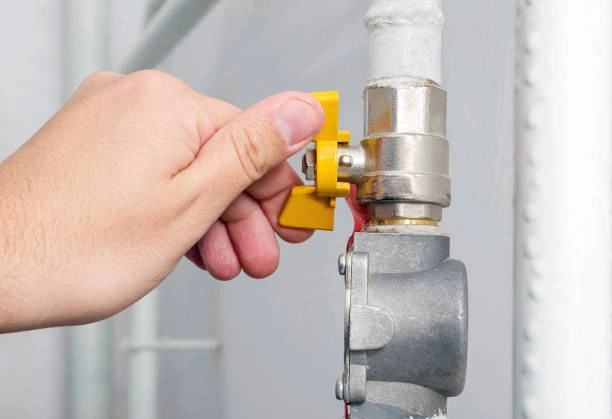
1. Introduction to Brass Radiator Valves
Brass radiator valves play a crucial role in modern heating systems by regulating water flow to radiators. These valves ensure consistent heat distribution while maintaining energy efficiency throughout homes and commercial buildings. Unlike plastic or inferior metal alternatives, brass offers exceptional strength and longevity. Heating engineers consistently recommend brass valves due to their ability to withstand high pressure and extreme temperature fluctuations. Whether installed in new constructions or older heating systems, brass radiator valves provide reliable performance year after year. This comprehensive guide examines the key advantages that make brass the superior choice for radiator valves in any property.
2. Unmatched Durability for Long-Term Performance
The exceptional durability of brass radiator valves makes them stand out from competing materials. Brass contains a copper-zinc alloy that naturally resists corrosion, even when constantly exposed to water. Unlike plastic valves that become brittle over time or steel valves prone to rust, brass maintains its structural integrity for decades. Many historic buildings still use original brass radiator valves that remain fully functional after 50+ years of service. This longevity proves particularly valuable in hard water areas where mineral deposits frequently damage inferior materials. Homeowners appreciate how brass valves eliminate the need for frequent replacements, providing both convenience and cost savings. The material’s natural strength also makes it ideal for high-pressure central heating systems found in multi-story buildings.
3. Superior Heat and Corrosion Resistance
Radiator valves face extreme operating conditions, including boiling water temperatures and constant moisture exposure. Brass excels in these environments due to its excellent thermal conductivity and natural corrosion resistance. While plastic valves may warp or crack under sustained heat, brass maintains perfect form and function. The material also outperforms stainless steel in wet conditions, as it doesn’t develop pitting or oxidation. Coastal properties particularly benefit from brass valves, which withstand salty, humid air that rapidly corrodes lesser metals. Laboratory tests show brass valves maintaining smooth operation through thousands of heating cycles without performance degradation. This reliability ensures consistent radiator performance whether installed in basement apartments or penthouse suites.
4. Optimized Heating System Efficiency
Precision-engineered brass radiator valves significantly improve overall heating system efficiency. The smooth interior bore creates minimal water flow resistance, allowing radiators to heat up faster while using less energy. Many modern brass valves feature precision-machined components that enable exact temperature control in individual rooms. Unlike cheap plastic valves that often develop leaks, brass maintains perfect seals that prevent heat loss. Studies demonstrate that properly installed brass thermostatic radiator valves (TRVs) can reduce household energy bills by 15-20% annually. The material’s excellent heat transfer properties also help maintain more stable room temperatures compared to alternative materials. Large commercial buildings frequently specify brass valves specifically for their energy-saving potential across hundreds of radiators.
5. Universal Compatibility with All Pipe Systems
One of brass’s greatest advantages lies in its compatibility with virtually all plumbing materials. Whether your system uses copper, PEX, CPVC, or galvanized steel piping, brass valves provide secure, leak-free connections. The material’s malleability allows for perfect threading that creates airtight seals with all standard pipe fittings. Renovation projects particularly benefit from brass valves, as they seamlessly integrate with both old and new pipework without requiring adapters. Many plumbers keep brass valves as their default choice because they eliminate compatibility concerns on job sites. The valves work equally well with conventional wet systems and modern low-temperature district heating networks. This versatility makes brass the safest choice for properties that may undergo future heating system upgrades or modifications.
6. Low Maintenance Requirements and Cost Savings
Brass radiator valves offer significant long-term savings by minimizing maintenance needs and repair costs. Unlike plastic valves that frequently require seal replacements or steel valves needing anti-corrosion treatments, brass valves simply work reliably for decades. The material’s natural lubricity prevents scale buildup that can jam cheaper valves, ensuring smooth operation throughout the heating season. Property managers appreciate how brass valves reduce emergency callouts for leaking or stuck radiators. When considering total cost of ownership, brass valves often prove cheaper than alternatives despite higher initial prices. A quality brass valve typically lasts 25-30 years compared to just 5-8 years for plastic equivalents, providing clear financial benefits over time.
7. Aesthetic Versatility and Functional Design
Modern brass radiator valves combine technical excellence with attractive design options to suit any interior style. Manufacturers offer brass valves in various finishes including polished brass, chrome, nickel, and antique bronze to complement different décors. Many high-end models feature sleek, minimalist designs that enhance contemporary spaces, while traditional lever-style valves perfect period properties. Some premium brass valves incorporate smart technology, allowing remote temperature control via smartphone apps. The material’s natural warmth and luster add a touch of elegance that plastic valves cannot match. Design-conscious homeowners frequently choose brass valves as both functional components and subtle design elements that elevate entire rooms.
8. Environmental Benefits and Sustainability
In an era of increasing environmental awareness, brass radiator valves offer compelling eco-friendly advantages. Brass remains one of the most recycled metals on earth, with nearly 90% of all brass products containing recycled content. Choosing brass valves supports circular economy principles by reducing mining needs and manufacturing energy consumption. Unlike plastic valves that eventually end up in landfills, brass valves can be infinitely recycled without quality loss. The material’s extreme durability also means fewer replacements, reducing the environmental impact of manufacturing and transportation. Many green building certification programs award points for specifying brass plumbing components due to their sustainability credentials. Environmentally conscious homeowners can feel good knowing their brass valves represent a responsible choice that minimizes ecological footprint.
Conclusion
After examining all factors, brass radiator valves clearly outperform alternatives in durability, efficiency, and value. Their unmatched corrosion resistance ensures decades of reliable service in demanding heating environments. The material’s excellent thermal properties contribute to lower energy bills and more comfortable living spaces. Universal compatibility makes brass valves the safest choice for both current needs and future system modifications. When considering aesthetics, brass offers beautiful design options that enhance any interior style. Environmentally, brass represents a sustainable choice that aligns with modern green building practices. While the initial investment may be slightly higher than inferior options, the long-term benefits make brass radiator valves the intelligent choice for homeowners, builders, and facility managers alike. By selecting quality brass valves, you ensure optimal heating performance that will last for generations.
International Standards
IFAN Brass ball valves are widely used in various fluid control applications due to their durability, reliability, and high resistance to corrosion. To ensure these valves meet the necessary safety and performance requirements, they are designed according to numerous international standards. For instance, ASTM 2846 outlines specifications for thermoplastic ball valves, while DIN 8079/8080 focuses on compatibility with polyethylene and polypropylene pipes. Additionally, standards such as ASTM F441/F441M SCH80 and AS/NZS 1477 ensure the valves’ effectiveness in PVC piping systems. By adhering to these strict regulations, brass ball valves maintain optimal performance, ensuring they are suitable for both residential and industrial settings, including drinking water systems, with certifications like NSF/ANSI 14.
Connect
IFAN is a Chinese manufacturer of plastic pipes, fittings and valves with 30 years of experience. If you are interest in IFAN copper fittings, copper valves, plastic pipes and fittings, please contact us. IFAN offers you a variety of standard pipes to meet your specific needs. Click below to learn more about IFAN’s wide range of affordable and cost-effective valve products and piping system related products.
We will reply your email or fax within 24 hours.
You can call us at any time if there is any question on our production.
For more information,pls visit our webside https://www.waterpipefactory.com/
Pls Mailto: [email protected]
Whatsapp: + 86 152 1588 7738