
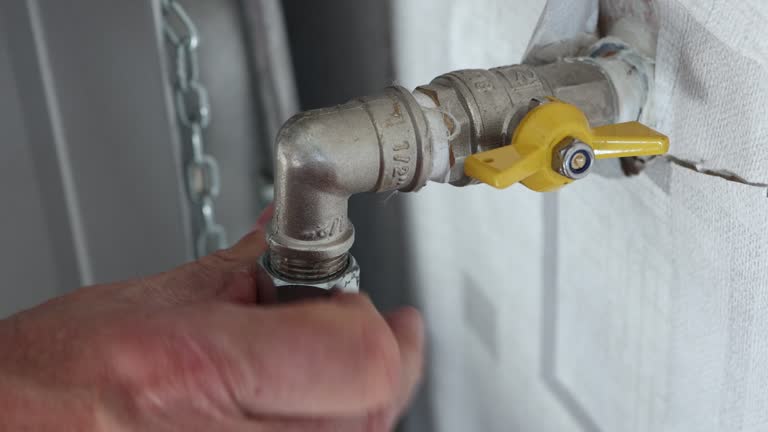
The Need for Quality Resources
The manufacturing of forged brass ball valves requires the careful selection and utilization of various resources. These valves are essential components in industrial and residential piping systems, providing reliable flow control. The production of high-quality forged brass valves depends on a consistent supply of raw materials, skilled labor, and advanced manufacturing technology. Understanding the key resources involved in their production helps manufacturers maintain quality standards while managing costs and environmental impact.
At the core of any forged brass ball valve is the material from which it is made—brass. The availability and price of these metals fluctuate based on global market trends, affecting the cost and availability of forged brass ball valves.
Supply Chain and Resource Availability
The supply chain for raw materials, such as copper and zinc, is global. Major producers of copper include countries like Chile, Peru, and China. While zinc is predominantly sourced from China, Canada, and Australia. Disruptions in mining activities or transportation, such as those caused by geopolitical factors or natural disasters, can impact the availability of these resources. Manufacturers must manage these risks by diversifying their suppliers and ensuring they have access to a stable flow of materials.
Manufacturing Equipment: Technology and Machinery
Manufacturing high-quality forged brass ball valves requires advanced equipment and skilled labor. The forging process itself involves using high-pressure machinery to shape the brass alloy into the desired valve body. These machines, often powered by hydraulic or pneumatic systems, apply significant force to mold the brass under controlled conditions. Additionally, precision machining tools are required to shape the valve components with exact tolerances. CNC (Computer Numerical Control) machines are commonly used to ensure accuracy during the machining process. The availability of such advanced machinery can significantly impact the cost and efficiency of valve production.
Data Insights: Resource Allocation in Valve Manufacturing
Copper and zinc account for a large portion of the raw material cost, which fluctuates based on global demand and mining output. The report also noted that energy costs used in the forging and machining processes represent another 25% of total manufacturing expenses. These figures underline the importance of managing resource allocation efficiently to maintain competitive pricing and high-quality standards in valve production.
Sustainability Considerations: Managing Resources Responsibly
As the demand for forged brass ball valves grows, manufacturers are under increasing pressure to consider the environmental impact of resource use. The mining of copper and zinc, while essential for valve production. Can have significant environmental consequences, including habitat destruction and pollution. Many manufacturers are now exploring sustainable practices, such as recycling brass scrap or using recycled copper and zinc in their products. By reusing materials and reducing waste, manufacturers can help reduce their carbon footprint and conserve natural resources, contributing to a more sustainable manufacturing process.
Future Resource Trends: Shaping the Industry’s Outlook
As demand for brass increases, manufacturers will need to keep an eye on resource scarcity and fluctuations in material prices. The ongoing development of new materials, such as advanced alloys with improved corrosion resistance and strength, may also change the landscape of valve manufacturing. Additionally, the push for greener technologies and sustainable practices will likely lead to increased use of recycled materials in valve production. Reducing reliance on raw mining resources and helping to protect the environment.
Conclusion: Strategic Resource Management for Long-Term Success
The production of forged brass ball valves relies heavily on the availability of raw materials, skilled labor, and advanced manufacturing technology. By strategically managing these resources, manufacturers can ensure the continued production of high-quality, reliable valves that meet the demands of various industries. Monitoring trends in resource availability, adopting sustainable practices, and staying ahead of technological advancements will be key to the long-term success of the forged brass ball valve market.
IFAN PEX fittings meet ISO 15875, GB/T 18992, DIN 16892, ASTM F877/F2788, BS 7291, BS EN ISO 15875 and CSA B137 standards for optimum quality and compatibility.
Connect
IFAN is a Chinese manufacturer of plastic pipes, fittings and valves with 30 years of experience. If you are interest in IFAN copper fittings, copper valves, plastic pipes and fittings, please contact us. IFAN offers you a variety of standard pipes to meet your specific needs. Click below to learn more about IFAN’s wide range of affordable and cost-effective valve products and piping system related products.
We will reply your email or fax within 24 hours.
You can call us at any time if there is any question on our production.
For more information,pls visit our webside https://www.waterpipefactory.com/
Pls Mailto: [email protected]
Whatsapp: + 86 152 1588 7738