
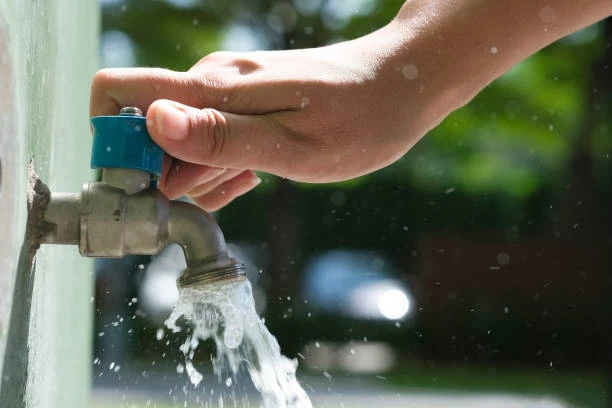
1. Introduction: The Role of Tap Water in Daily Life
Tap water serves as the primary source of drinking water for millions worldwide. As a detection expert, I emphasize its significance in sustaining health and hygiene. Access to clean tap water reduces reliance on bottled alternatives, minimizing plastic waste and environmental impact. Communities thrive when residents trust their tap water, highlighting the need for rigorous quality monitoring.
2. Source Water: The Foundation of Tap Water Quality
The journey of tap water begins at its source, whether rivers, lakes, or underground aquifers. My role involves assessing these sources for contaminants like agricultural runoff, industrial chemicals, or natural pollutants. For instance, I test for nitrates from fertilizers, which can seep into groundwater. Understanding source water quality allows water treatment plants to tailor purification processes effectively.
3. Treatment Processes: Ensuring Safety Through Multiple Barriers
Water treatment facilities employ a series of steps to transform raw water into potable tap water. Coagulation and flocculation remove suspended particles, while sedimentation allows heavier solids to settle. Filtration through sand, gravel, or activated carbon eliminates remaining impurities. Disinfection, typically with chlorine or chloramines, eradicates pathogens. As a detection expert, I verify each stage’s efficiency, ensuring no contaminants bypass these safeguards.
4. Regulatory Standards: Guardrails for Drinking Water Quality
Governments set stringent regulations to protect public health. In the U.S., the Environmental Protection Agency (EPA) enforces the Safe Drinking Water Act, limiting contaminants like lead, arsenic, and coliform bacteria. I collaborate with regulators to ensure local water systems adhere to these standards. Regular sampling and analysis help identify trends, prompting timely interventions when levels approach regulatory thresholds.
5. Common Contaminants: Identifying Risks in Tap Water
While treatment removes most hazards, some contaminants persist. Lead, often leaching from old pipes, poses severe health risks, especially for children. I conduct targeted tests in areas with aging infrastructure. Disinfection byproducts like trihalomethanes form when chlorine reacts with organic matter, necessitating careful chlorine dosing. Microplastics, an emerging concern, require specialized detection methods I continuously refine.
6. Consumer Perception vs. Reality: Debunking Myths
Many consumers distrust tap water due to taste, odor, or past contamination incidents. As a detection expert, I address these concerns through transparency. I organize community workshops to explain water quality reports, demonstrating how treatment removes contaminants. Taste and odor issues, often from chlorine or algae blooms, rarely indicate safety risks. Educating the public fosters confidence in their tap water.
7. Home Water Quality: Additional Steps for Peace of Mind
Households can take proactive measures to enhance tap water safety. I recommend testing private wells annually for bacteria, nitrates, and heavy metals. For municipal supplies, point-of-use filters certified by organizations like NSF International can remove residual lead or chlorine. However, I caution against over-reliance on filters, as improper maintenance can introduce new risks. Regular filter replacement and adherence to manufacturer guidelines are crucial.
8. The Future of Tap Water: Innovations and Challenges
Climate change and urbanization strain water resources, demanding innovative solutions. I explore advanced treatment technologies, such as membrane filtration and UV disinfection, which offer higher contaminant removal rates. Real-time monitoring systems using IoT sensors enable rapid response to contamination events. Public-private partnerships can fund infrastructure upgrades, ensuring equitable access to safe tap water. As a detection expert, I advocate for sustained investment in water quality research and education.
Conclusion: A Collective Responsibility for Safe Drinking Water
Ensuring tap water safety requires collaboration among scientists, policymakers, and the public. My work as a detection expert underscores the importance of vigilance, innovation, and transparency. By understanding the complexities of water treatment and sharing knowledge, we empower communities to make informed choices. Safe, reliable tap water is not a privilege but a fundamental right, and together, we can safeguard this precious resource for generations to come.
Connect
IFAN is a Chinese manufacturer of plastic pipes, fittings and valves with 30 years of experience. If you are interest in IFAN copper fittings, copper valves, plastic pipes and fittings, please contact us. IFAN offers you a variety of standard pipes to meet your specific needs. Click below to learn more about IFAN’s wide range of affordable and cost-effective valve products and piping system related products.
We will reply your email or fax within 24 hours.
You can call us at any time if there is any question on our production.
For more information,pls visit our webside https://www.waterpipefactory.com/
Pls Mailto: [email protected]
Whatsapp: + 86 152 1588 7738