
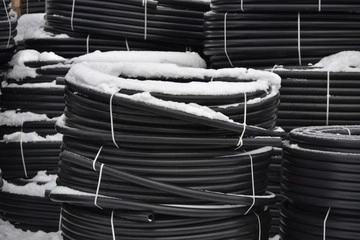
Introduction to HDPE Pipes
High-Density Polyethylene (HDPE) pipes are gaining attention across many industries. Even if you’ve never heard of them, you likely benefit from them every day. These durable, lightweight plastic pipes carry water, gas, chemicals, and even fiber-optic cables. They offer a reliable and long-lasting solution for various piping needs.
Unlike traditional pipes made of metal or clay, HDPE pipes resist corrosion and cracking. Because of their strength and flexibility, they are replacing older systems in cities, farms, factories, and even homes. As you explore their uses and benefits, you’ll understand why HDPE pipes continue to grow in popularity.
What Does HDPE Mean?
The term “HDPE” stands for High-Density Polyethylene. It’s a type of thermoplastic made from petroleum. Although that might sound complex, it’s simply a strong plastic that can be melted and reshaped without losing its qualities.
HDPE is different from low-density polyethylene (LDPE), which is used in plastic bags and film. While LDPE is soft and flimsy, HDPE is tough and rigid. This makes HDPE ideal for building long-lasting pipe systems that need to resist pressure, weather, and chemicals.
Furthermore, HDPE is a recyclable material, so using it helps reduce environmental waste. That’s why more industries are switching to HDPE—not only for performance but also for sustainability.
Key Properties of HDPE Pipes
HDPE pipes have many impressive qualities that make them ideal for infrastructure and construction. First, they are extremely durable. They can handle pressure from both inside and outside without cracking or breaking. Second, they are flexible, which allows them to bend along curves and slopes without damage.
In addition, HDPE is resistant to corrosion. Unlike metal pipes, it doesn’t rust or rot, even when exposed to chemicals or moisture. It also resists biological growth like bacteria or fungi, which makes it perfect for clean water supply.
Another key feature is the smooth interior surface of HDPE pipes. This reduces friction and allows liquids to flow more freely. Consequently, users save energy on pumping and experience fewer clogs.
Finally, HDPE has a high impact resistance, which means it can take a hit without cracking. For underground installations, this property is especially valuable.
Where Are HDPE Pipes Used?
HDPE pipes appear in more places than you might think. Their versatility allows them to serve in multiple industries:
- Water supply systems: Municipalities use HDPE for water mains, residential pipelines, and stormwater drains. The pipes stay leak-free and clean for years.
- Gas pipelines: Gas companies favor HDPE for its tight joints and safety under pressure.
- Sewer systems: HDPE handles waste, chemicals, and pressure without breaking down.
- Agricultural irrigation: Farmers choose HDPE for its light weight, portability, and long service life.
- Industrial processes: Chemical plants use HDPE to transport acids, alkalis, and other aggressive substances.
- Telecommunication lines: HDPE conduits protect fiber-optic cables from moisture and physical damage.
- Mining and dredging: Mining companies use HDPE to handle slurry, tailings, and heavy-duty waste.
As you can see, HDPE’s uses are wide and still growing. Because the material adapts so well, it fits nearly every piping need.
Benefits That Make HDPE Pipes Popular
One major reason why so many industries prefer HDPE is its long lifespan. On average, HDPE pipes can last over It depends on the actual situation. with minimal maintenance. This reduces both the effort and money spent on repairs.
Another important benefit is cost efficiency. While HDPE pipes may have a slightly higher upfront price than some alternatives, they save money over time. Fewer leaks mean lower water loss. Less corrosion means fewer replacements. And smoother interiors mean lower pumping costs.
Moreover, HDPE pipes are easy to transport and install. Their light weight allows teams to move them without heavy machinery. Because of their flexibility, they require fewer fittings and adapt better to different terrain.
HDPE is also eco-friendly. The pipes are recyclable and require less energy to produce compared to metal. In addition, they help prevent leaks that could harm the environment.
Lastly, HDPE connections are leak-proof. The most common joining method, heat fusion, melts pipe ends together to form a single, seamless piece. This method eliminates weak points and potential leakage.
How HDPE Pipes Are Installed
HDPE installation is fast, safe, and cost-effective. Unlike rigid pipes, HDPE can be delivered in long coils or sections. Workers can unroll them across a site with minimal preparation. Furthermore, fewer joints reduce labor and time on the job.
There are several installation methods, including:
- Open trenching: Traditional method where workers dig trenches, lay pipes, and then cover them.
- Horizontal directional drilling (HDD): A trenchless method ideal for roads, rivers, and sensitive areas.
- Sliplining and pipe bursting: Used to replace old pipes without digging them up.
Because HDPE is so tough, it withstands soil movement, heavy pressure, and harsh weather. Even in cold climates, it resists cracking and maintains performance.
Most importantly, HDPE pipes join using butt fusion or electrofusion. These techniques ensure strong, permanent bonds without glue or rubber seals.
How HDPE Compares with Other Pipes
HDPE pipes outperform many traditional materials. Let’s compare them to some common types:
- Metal pipes (steel, iron, copper): These corrode over time, especially when exposed to water or chemicals. HDPE never rusts and doesn’t need coatings or anti-corrosion treatment.
- PVC pipes: PVC is more brittle and prone to cracking under pressure or freezing. HDPE is flexible and absorbs shock better.
- Concrete pipes: Although strong, concrete is heavy and hard to install. HDPE is lightweight and simpler to move and cut.
While some alternatives may be cheaper upfront, they often require more maintenance. Over time, HDPE proves to be the smarter choice because it lasts longer and performs more reliably.
Environmental Impact and Sustainability
Today, many people are concerned about the environmental effects of construction materials. Fortunately, HDPE ranks high for sustainability. First, it is 100% recyclable. After decades of use, old HDPE pipes can be melted down and reused to make new ones.
Second, HDPE systems help reduce water loss. In older cities, metal and concrete pipes leak large volumes of water. HDPE pipes, with their seamless joints, keep water where it belongs.
Third, HDPE manufacturing uses less energy than other pipe materials. That means a smaller carbon footprint during production. Plus, because the pipes are lighter, transporting them also saves fuel.
Finally, HDPE systems support smart land use. Thanks to trenchless installation, roads, sidewalks, and green spaces stay mostly untouched. That’s better for communities and the environment.
Should You Choose HDPE Pipes?
If you’re considering which pipe material to use, HDPE deserves your attention. Whether you’re building a water line for a house, designing a city system, or planning farm irrigation, HDPE delivers performance and peace of mind.
Here’s a quick summary of its advantages:
- Long lifespan with low maintenance
- High resistance to chemicals, corrosion, and impacts
- Lightweight and flexible for easy handling
- Seamless joints that reduce leakage
- Eco-friendly and recyclable
- Cost-effective over the long term
In short, HDPE pipes meet the demands of modern infrastructure and environmental responsibility. Because they’re so versatile, you can rely on them for nearly any piping project.
Final Thoughts
In the end, HDPE pipes offer a powerful combination of strength, flexibility, and efficiency. From farms to cities, from homes to factories, they provide reliable service without high costs or frequent repairs. As industries continue to modernize, HDPE remains at the forefront of smart, sustainable piping.
If you’re planning your next project, don’t overlook HDPE. While it may not be as well-known as copper or concrete, it offers advantages that can’t be ignored. With the right installation and design, HDPE pipes can serve your needs for decades—and do it better than most other materials.
IFAN International Standards
To meet global quality demands, IFAN HDPE pipes follow a wide range of international standards, such as ASTM D3035, ISO 4427, EN 12201, and GB/T 13663. These standards define the pipe’s strength, durability, and safety. Moreover, IFAN complies with DIN 8074/8075, AS/NZS 4130, JIS K6760, BS 6572, and CSA B137.1, making their products suitable for water, gas, and industrial systems worldwide. Because IFAN meets all these trusted certifications, users can confidently choose IFAN for reliable performance in any environment.
Connect
IFAN is a Chinese manufacturer of plastic pipes, fittings and valves with 30 years of experience. If you are interest in IFAN copper fittings, copper valves, plastic pipes and fittings, please contact us. IFAN offers you a variety of standard pipes to meet your specific needs. Click below to learn more about IFAN’s wide range of affordable and cost-effective valve products and piping system related products.
We will reply your email or fax within 24 hours.
You can call us at any time if there is any question on our production.
For more information,pls visit our webside https://www.waterpipefactory.com/
Pls Mailto: [email protected]
Whatsapp: + 86 152 1588 7738