
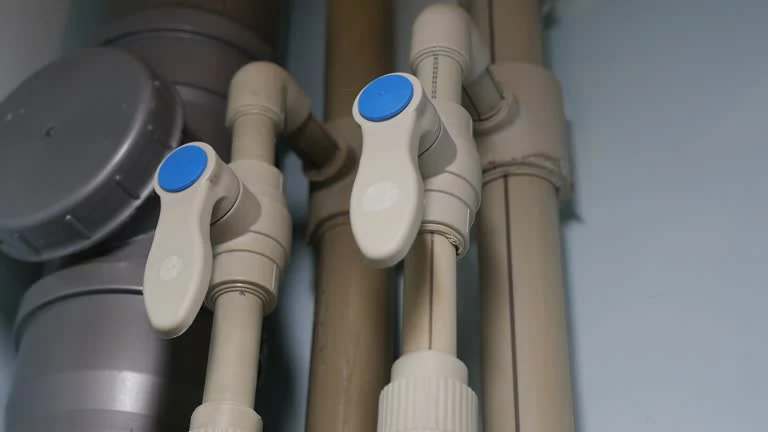
What Are PPR Connecting Elements?
PPR connecting elements are essential components in any polypropylene piping system. These parts link pipes together to form a strong, leak-free network. Common types include couplings, elbows, tees, and reducers. Because each has a unique role, knowing when and where to use them is critical. For instance, couplings join straight pipe sections, while elbows change flow direction. In addition, reducers adjust pipe diameter, and tees divide or combine flow. Understanding these elements helps ensure smooth water distribution. Therefore, selecting the right PPR connecting elements is the first step in building a reliable plumbing system.
Types of PPR Connecting Elements and Their Functions
There are various PPR connecting elements, each designed for specific purposes. First, straight couplings connect pipes of the same diameter. Next, elbow fittings are used to change the flow direction—usually at 45 or 90 degrees. Additionally, tees allow water to split into two directions or merge into one. Reducers are also crucial, as they help connect pipes of different sizes. Moreover, flange and union fittings enable easy disassembly for maintenance. Because each element serves a unique purpose, understanding their functions helps you plan your system effectively. Consequently, choosing the right fittings improves performance and longevity.
How to Choose the Right PPR Connecting Elements
To choose the correct PPR connecting elements, begin by identifying your system’s needs. First, check pipe size and pressure requirements. Then, consider temperature conditions and flow direction. In addition, ensure compatibility with existing pipes and fittings. Furthermore, evaluate installation ease—some parts require heat fusion, while others use thread or compression. Always choose certified products from trusted manufacturers. This reduces the risk of leaks and system failure. Overall, carefully selecting PPR connecting elements saves time and money in the long run. So, don’t rush the decision—invest in quality and proper specifications.
Installation Guidelines for PPR Connecting Elements
Proper installation ensures the effectiveness of your PPR connecting elements. First, cut the pipes straight and clean the ends. Then, heat both the pipe and fitting using a fusion tool. Immediately after heating, join them with a firm push and hold steady. Additionally, avoid twisting or moving the parts while cooling. Follow the manufacturer’s instructions for heating times. Also, inspect the joints after installation to check for gaps or misalignment. Because poor installation can lead to leaks or system failure, take your time. When done correctly, PPR connecting elements provide long-lasting performance and efficiency.
Common Mistakes and How to Avoid Them
Even experienced installers can make errors when handling PPR connecting element. One frequent mistake is overheating or underheating the joints, which weakens the bond. Another is cutting pipes at incorrect angles, causing misalignment. Moreover, failing to clean the pipe ends can reduce joint strength. To avoid these issues, always follow proper techniques. Use reliable tools, check measurements twice, and ensure all components are clean. Also, don’t skip cooling time—it’s essential for joint integrity. By avoiding these common mistakes, you ensure your PPR connecting elements perform as intended for years to come.
Advantages of Using PPR Connecting Element
PPR connecting elements offer several advantages for modern plumbing systems. Firstly, they provide strong, leak-proof connections. Secondly, they resist corrosion and chemical wear. Moreover, PPR is non-toxic and safe for drinking water systems. Additionally, the material is lightweight, making installation easier and faster. These elements also handle high temperatures and pressure well. As a result, they are ideal for residential, commercial, and industrial plumbing. Most importantly, they are cost-effective over time due to low maintenance. Thus, using PPR connecting elements ensures both reliability and efficiency in your pipeline system.
Maintenance Tips for Long-Lasting Connections
Maintaining PPR connecting elements is simple but vital. Start with regular inspections to check for leaks or wear. Then, clean any buildup or sediment around joints. If you find signs of damage, replace the element immediately. Also, avoid exposing the system to direct sunlight for long periods, as UV rays can weaken the material. Furthermore, insulate exposed parts in extreme temperatures. Proper maintenance prevents sudden failures and keeps the system efficient. Therefore, treat your PPR connecting element with care—they’re the foundation of a stable plumbing network.
Final Thoughts: Choosing PPR Connecting Element with Confidence
Choosing and using PPR connecting elements correctly can greatly impact your plumbing system’s success. As discussed, selecting the right type, installing it properly, and maintaining it regularly are key. Moreover, avoiding common mistakes saves you time, money, and frustration. Whether you’re a DIY enthusiast or a professional plumber, understanding these components empowers you to build better systems. In conclusion, invest in high-quality PPR connecting element, follow best practices, and enjoy reliable performance for years. So, make informed decisions and install with confidence.
IFAN International Standards
IFAN’s PPR fittings and pipes strictly comply with major international and regional standards, guaranteeing top-quality performance and compatibility across global markets. These standards include:
- ISO 15874 – Specifies requirements for PPR piping systems used in hot and cold water installations.
- EN 15874 – The European standard equivalent to ISO 15874, widely recognized across the EU.
- ASTM F2389 – An American standard for pressure-rated PPR piping systems used in both residential and commercial water systems.
- DIN 8077/8078 – German norms that define dimensions and quality for PPR pipes, emphasizing durability and consistency.
- GB/T 18742 – The Chinese national standard for polypropylene piping systems, applicable in domestic and industrial settings.
- NBR 15884 – The Brazilian standard ensuring product quality for PPR systems used throughout South America.
By aligning with these certifications, IFAN delivers piping solutions that meet international demands for safety, efficiency, and longevity.
Connect
IFAN is a Chinese manufacturer of plastic pipes, fittings and valves with 30 years of experience. If you are interest in IFAN copper fittings, copper valves, plastic pipes and fittings, please contact us. IFAN offers you a variety of standard pipes to meet your specific needs. Click below to learn more about IFAN’s wide range of affordable and cost-effective valve products and piping system related products.
We will reply your email or fax within 24 hours.
You can call us at any time if there is any question on our production.
For more information,pls visit our webside https://www.waterpipefactory.com/
Pls Mailto: [email protected]
Whatsapp: + 86 152 1588 7738