
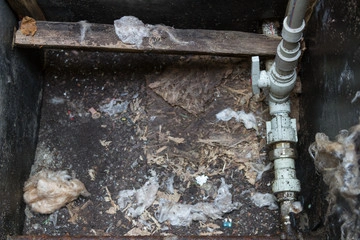
Introduction
PPR (Polypropylene Random Copolymer) piping systems are known for their strength and durability. However, like any plumbing system, proper maintenance of PPR connections is essential to prevent leaks, minimize wear, and extend lifespan. This guide offers practical tips on how to maintain your PPR connections efficiently and keep your plumbing system in top condition.
Why Maintenance Matters
Even though PPR systems resist corrosion and high temperatures, neglecting maintenance can lead to problems. Common issues include leaks at joints, weakened welds, and pressure build-up. Routine checks and preventative actions help maintain performance, improve safety, and avoid costly repairs. Whether for home or commercial systems, regular attention is key.
1. Inspect Connections Regularly
Schedule periodic inspections of all visible PPR connections. Look for signs of water stains, dampness, or discoloration near joints. Even a small drip may indicate an underlying problem. Check tightness and alignment. If you notice bulging, cracks, or soft spots, take immediate action. Visual checks every 3–6 months can catch issues early.
2. Ensure Proper Installation
Many long-term connection issues arise from poor installation. When installing or replacing PPR fittings, always use a quality pipe cutter and a properly calibrated welding machine. Ensure both pipe ends and fittings are clean and aligned before welding. Follow the recommended heating and cooling times to ensure a reliable joint.
3. Avoid Excessive Pressure and Heat
PPR pipes handle high pressure and temperature, but excessive stress can compromise joints. Use pressure regulators to protect against water hammer or pressure surges. Insulate hot water lines to reduce thermal stress. Maintain system temperature below the PPR maximum threshold (usually 70–90°C) to avoid long-term damage.
4. Check for Thermal Expansion
PPR expands and contracts with temperature changes. If not accounted for, expansion can place stress on connections, causing leaks or joint failure. Use expansion loops, flexible joints, or sliding supports in long straight pipe runs. Always leave space for movement and never fix pipes too tightly in place.
5. Clean the System Periodically
Over time, mineral deposits, debris, or microbial growth may accumulate in PPR pipes, especially in hard water regions. Flushing the system with clean water or mild cleaning agents helps prevent blockages and protects joints. Avoid harsh chemicals that could degrade plastic.
6. Replace Damaged Fittings Promptly
If a connection shows signs of damage—such as deformation, cracks, or persistent leaking—replace it immediately. Delaying repair can lead to wider system failure. Always use original PPR couplings and approved materials from reliable manufacturers. Poor-quality components are more likely to fail.
7. Secure PPR Pipes Properly
Improperly secured pipes can shift due to vibrations or thermal expansion, putting stress on the joints. Use appropriate brackets or clips to fix the pipes in place. Avoid over-tightening supports, which can pinch or deform the pipe and fitting. Leave a little room for movement while keeping everything aligned.
8. Avoid Physical Impact
PPR pipes and connections are durable, but they can be damaged by accidental impact or tools during renovations or construction. Protect exposed piping by covering it or marking it clearly. Teach workers and family members to avoid leaning on or bumping the system.
Conclusion
Maintaining PPR connections is not complicated, but it requires regular attention and the use of best practices. By inspecting regularly, avoiding stress on joints, and replacing faulty parts promptly, you can extend the lifespan of your PPR piping system. A well-maintained system saves money, conserves water, and ensures peace of mind.
IFAN International Standards
IFAN’s PPR fittings and pipes strictly comply with major international and regional standards, guaranteeing top-quality performance and compatibility across global markets. These standards include:
- ISO 15874 – Specifies requirements for PPR piping systems used in hot and cold water installations.
- EN 15874 – The European standard equivalent to ISO 15874, widely recognized across the EU.
- ASTM F2389 – An American standard for pressure-rated PPR piping systems used in both residential and commercial water systems.
- DIN 8077/8078 – German norms that define dimensions and quality for PPR pipes, emphasizing durability and consistency.
- GB/T 18742 – The Chinese national standard for polypropylene piping systems, applicable in domestic and industrial settings.
- NBR 15884 – The Brazilian standard ensuring product quality for PPR systems used throughout South America.
By aligning with these certifications, IFAN delivers piping solutions that meet international demands for safety, efficiency, and longevity.
Connect
IFAN is a Chinese manufacturer of plastic pipes, fittings and valves with 30 years of experience. If you are interest in IFAN copper fittings, copper valves, plastic pipes and fittings, please contact us. IFAN offers you a variety of standard pipes to meet your specific needs. Click below to learn more about IFAN’s wide range of affordable and cost-effective valve products and piping system related products.
We will reply your email or fax within 24 hours.
You can call us at any time if there is any question on our production.
For more information,pls visit our webside https://www.waterpipefactory.com/
Pls Mailto: [email protected]
Whatsapp: + 86 152 1588 7738