
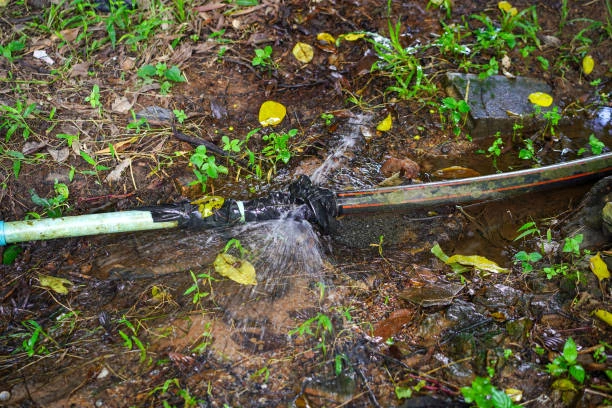
Introduction to HDPE Materials
High-Density Polyethylene (HDPE) is a popular plastic material widely used in many industries today. Due to its durability, flexibility, and cost-effectiveness, HDPE materials have become a top choice for manufacturers and consumers alike. Not only does HDPE provide strength, but it also offers versatility that suits a variety of applications. From packaging and piping to household goods, HDPE serves many important roles in daily life. Therefore, understanding its properties helps us appreciate why HDPE materials are so valuable. In addition, HDPE’s chemical structure allows it to resist moisture and many solvents, further increasing its practical uses. Because of this, HDPE often replaces heavier, less durable materials, reducing overall weight and cost.
Durability: Why HDPE Stands Out
Firstly, HDPE materials are known for their exceptional durability. They resist impact, harsh weather, and chemicals better than many other plastics. Because of this, HDPE is ideal for outdoor products such as water pipes, storage tanks, and playground equipment. Additionally, its high tensile strength ensures long-lasting performance, which reduces replacement frequency and maintenance costs. Manufacturers trust HDPE to withstand tough conditions while maintaining integrity over time. Consequently, this durability makes HDPE a reliable material for demanding environments. Moreover, HDPE’s resistance to cracking and UV degradation means it performs well under prolonged sun exposure, which is essential for outdoor applications.
Flexibility and Adaptability of HDPE
Moreover, HDPE materials offer notable flexibility despite their strength. This flexibility allows HDPE to bend without cracking, making it suitable for applications that require shape changes or movement. For instance, HDPE pipes can be curved to fit various plumbing layouts without breaking. This property also enables easier installation and handling. Furthermore, HDPE adapts well to different manufacturing processes, including extrusion and molding, allowing for diverse product designs. Thus, HDPE’s flexibility contributes to its widespread use across multiple sectors. It also means manufacturers can create complex shapes and designs without compromising material integrity.
Cost-Effectiveness of HDPE Materials
In addition to durability and flexibility, HDPE is cost-effective, which further drives its popularity. The production cost of HDPE is relatively low compared to other high-performance plastics, making it affordable for both manufacturers and end users. Besides, its lightweight nature reduces shipping and handling expenses. Since HDPE products last longer, they save money on replacements and repairs over time. Also, HDPE’s recyclability helps reduce raw material costs and supports sustainability. Recycling HDPE requires less energy compared to producing new plastic, which lowers environmental impact. Hence, HDPE provides excellent value without compromising quality.
Applications Across Industries
HDPE materials find use in a wide range of industries due to their combined benefits. In the packaging industry, HDPE bottles and containers protect food and beverages safely. The construction sector uses HDPE pipes and geomembranes for water supply and environmental protection. Agriculture benefits from HDPE irrigation systems that resist corrosion and UV damage. Additionally, HDPE’s role in consumer products such as toys, furniture, and household goods highlights its versatility. Clearly, HDPE’s durable, flexible, and cost-effective qualities meet various needs effectively. Growing environmental awareness also increases demand for recycled HDPE products, encouraging manufacturers to adopt sustainable practices.
Conclusion: The Value of HDPE Materials
To sum up, HDPE materials stand out because of their unique combination of durability, flexibility, and cost-effectiveness. These features make HDPE a preferred plastic for numerous applications across many industries. Understanding the advantages of HDPE helps businesses and consumers choose the right material for their needs. As industries continue to evolve, HDPE remains a material of choice that balances performance with affordability. Therefore, exploring HDPE materials offers valuable insights into modern manufacturing and product design. It also encourages innovation in sustainable materials, supports environmental responsibility, and drives the development of greener technologies.
IFAN International Standards
To meet global quality demands, IFAN HDPE pipes follow a wide range of international standards, such as ASTM D3035, ISO 4427, EN 12201, and GB/T 13663. These standards define the pipe’s strength, durability, and safety. Moreover, IFAN complies with DIN 8074/8075, AS/NZS 4130, JIS K6760, BS 6572, and CSA B137.1, making their products suitable for water, gas, and industrial systems worldwide. Because IFAN meets all these trusted certifications, users can confidently choose IFAN for reliable performance in any environment.
Connect
IFAN is a Chinese manufacturer of plastic pipes, fittings and valves with 30 years of experience. If you are interest in IFAN copper fittings, copper valves, plastic pipes and fittings, please contact us. IFAN offers you a variety of standard pipes to meet your specific needs. Click below to learn more about IFAN’s wide range of affordable and cost-effective valve products and piping system related products.
We will reply your email or fax within 24 hours.
You can call us at any time if there is any question on our production.
For more information,pls visit our webside https://www.waterpipefactory.com/
Pls Mailto: [email protected]
Whatsapp: + 86 152 1588 7738