
1. Introduction: Summary of the Article
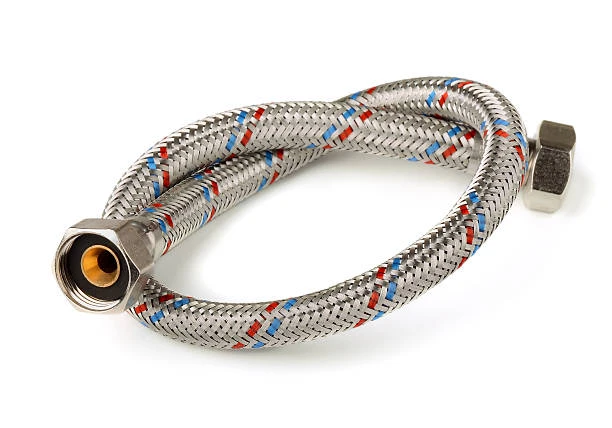
Braided hoses play a crucial role in various mechanical systems, offering durability, flexibility, and resistance to pressure and temperature fluctuations. Known for their reinforced structure, these hoses are widely used in mechanical, automotive, hydraulic, and industrial applications. This article explores the mechanical properties , addresses common questions, provides a clear definition and key features, and highlights where and how these components are commonly applied. Understanding these aspects can help users and professionals choose the right hose type for their specific mechanical requirements.
2. Frequently Asked Questions (FAQ)
1. What is the main advantage of using braided hoses in mechanical systems?
The primary advantage is their high pressure and temperature resistance, which makes them ideal for demanding mechanical environments.
2. Are braided hoses flexible enough for compact installations?
Yes, despite their robust structure, braided hoses are designed to remain flexible and adaptable to confined or curved spaces.
3. What materials are typically used for braided hoses?
Common materials include stainless steel, synthetic rubber, and PTFE (Teflon), with an outer braid made of metal wire for added strength.
4. Can braided hoses be used for both gas and liquid transfer?
Absolutely. Their sealed construction and resistance to corrosion and pressure make them suitable for transferring various fluids and gases safely.
5. How long do braided hoses typically last in mechanical applications?
With proper installation and maintenance, braided hoses can last several years, even under continuous mechanical stress.
3. Basic Definition and Key Features
Braided hoses are flexible conduits designed to transport fluids or gases while withstanding internal pressure and external mechanical stress. They consist of an inner tube made from rubber, thermoplastic, or PTFE, surrounded by a braided mesh, typically stainless steel or polyester, which reinforces the hose.
Some key features of braided hoses include:
- High mechanical strength: The braided layer prevents expansion under pressure and resists mechanical deformation.
- Thermal stability: These hoses maintain integrity under varying temperature conditions, making them suitable for both hot and cold systems.
- Flexibility with durability: Braided hoses combine the flexibility of a hose with the resilience of metal reinforcement.
- Corrosion resistance: Stainless steel braiding provides protection against rust and chemical exposure.
- Compatibility: They can be used with a wide range of fittings and couplings, which makes them versatile across industries.
Thanks to these characteristics, braided hoses are often a preferred choice where mechanical stability and safety are top priorities.
4. Common Uses and Application Industries
The mechanical utility of braided hoses spans across many sectors, where they fulfill both functional and safety-related roles.
Automotive Industry
In cars and heavy vehicles, braided hoses are used for:
- Brake lines
- Fuel systems
- Engine cooling
- Hydraulic clutch systems
Their strength helps prevent leaks or ruptures under pressure surges, which enhances vehicle safety and performance.
Mechanical Engineering
Braided hoses are essential in machinery and equipment that require efficient fluid transfer. They are often used for:
- High-pressure hydraulic lines
- Pneumatic systems
- Compressor connections
- Cooling and lubrication circuits
Their robust build ensures they can handle continuous mechanical movement and vibrations.
Industrial Manufacturing
Factories and processing plants use braided hoses to transport fluids like:
- Water
- Oil
- Steam
- Chemicals
These hoses are ideal for equipment that experiences high temperatures or mechanical stress during production cycles.
HVAC Systems
In heating, ventilation, and air conditioning systems, braided hoses are used to connect components where temperature control and reliability are vital. They withstand the mechanical wear caused by continuous cycling and pressure changes.
Aerospace and Marine Applications
Aircraft and marine systems rely on braided hoses for:
- Hydraulic actuation
- Fuel delivery
- Coolant transport
These environments demand high mechanical precision, and braided hoses provide the strength and consistency required for safety-critical operations.
5. Mechanical Benefits
When it comes to mechanical performance, braided hoses offer a range of advantages:
- Resistance to deformation: The metal braiding acts as a shield, maintaining the hose’s shape and functionality even under bending or twisting.
- Pressure containment: The braided layer enables the hose to handle higher internal pressure without bursting.
- Abrasion resistance: Braided hoses resist external mechanical damage, which is essential in rough industrial or mechanical environments.
- Vibration absorption: Mechanical systems often experience continuous motion, and braided hoses help absorb and dampen vibrations to reduce stress on connectors and fittings.
- Minimal expansion: Under pressure, these hoses do not expand significantly, maintaining system efficiency and precision.
6. Material Selection for Mechanical Use
The choice of material influences the mechanical performance of braided hoses:
- Stainless steel: Offers excellent tensile strength, corrosion resistance, and longevity, suitable for high-temperature, high-pressure applications.
- Synthetic rubber (EPDM, NBR): Provides flexibility and good resistance to oils and fuels, ideal for automotive and industrial uses.
- PTFE (Teflon): Delivers outstanding chemical resistance and low friction, used in specialized mechanical systems.
By selecting the right material based on operating conditions—temperature, pressure, fluid type—users ensure maximum efficiency and lifespan.
7. Mechanical Installation and Safety Tips
Although braided hoses are strong and reliable, proper handling during installation ensures optimal performance:
- Use appropriate fittings: Always pair braided hoses with compatible, pressure-rated fittings to avoid leaks.
- Avoid sharp bends: Although flexible, tight bends can reduce flow efficiency and stress the hose structure.
- Secure hose routing: Mechanical systems often involve movement. Securing hoses with clamps or guides prevents unnecessary strain.
- Inspect regularly: Periodic inspections for wear, corrosion, or fraying help detect early signs of failure.
- Follow manufacturer specs: Operating within the hose’s pressure and temperature ratings avoids mechanical overload.
8. Conclusion
Braided hoses are indispensable components in mechanical systems across industries. Their unique combination of strength, flexibility, and resistance to external stress makes them ideal for high-performance applications. Whether used in automotive, industrial, or specialized engineering setups, these hoses help ensure safe and efficient operation under demanding mechanical conditions. By understanding their features, selecting the right materials, and following proper installation practices, users can maximize both functionality and service life. Investing in high-quality is not just a matter of efficiency—it is a guarantee of long-term mechanical reliability.
IFAN International Standards
To meet global quality demands, IFAN HDPE pipes follow a wide range of international standards, such as ASTM D3035, ISO 4427, EN 12201, and GB/T 13663. These standards define the pipe’s strength, durability, and safety. Moreover, IFAN complies with DIN 8074/8075, AS/NZS 4130, JIS K6760, BS 6572, and CSA B137.1, making their products suitable for water, gas, and industrial systems worldwide. Because IFAN meets all these trusted certifications, users can confidently choose IFAN for reliable performance in any environment.
Contact Us
If you have any questions about cold taps or need help selecting the right model, feel free to reach out to our team. We offer expert advice and support tailored to your industry and application.
IFAN is a Chinese manufacturer of plastic pipes, fittings and valves with 30 years of experience. If you are interest in IFAN copper fittings, copper valves, plastic pipes and fittings, please contact us. IFAN offers you a variety of standard pipes to meet your specific needs. Click below to learn more about IFAN’s wide range of affordable and cost-effective valve products and piping system related products.
We will reply your email or fax within 24 hours.
You can call us at any time if there is any question on our production.
For more information,pls visit our webside https://www.waterpipefactory.com/
Pls Mailto: [email protected]
Whatsapp: + 86 152 1588 7738