
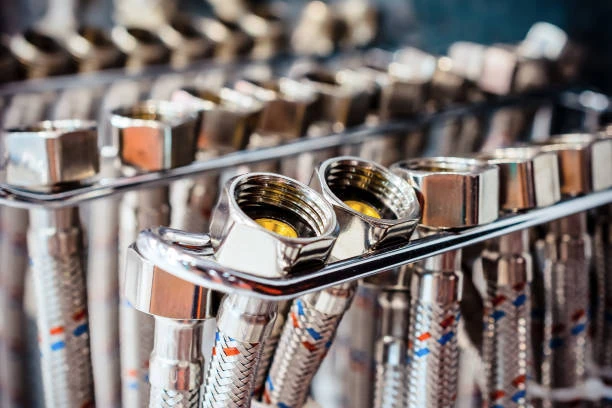
Braided hoses are a cornerstone of modern fluid and gas transport systems, offering strength, flexibility, and durability across multiple industries. As demand for reliable piping solutions grows worldwide, the market for braided hoses has experienced significant evolution. These hoses have become vital not only in plumbing and automotive systems but also in advanced manufacturing and construction. This article explores the market landscape of braided hoses, providing insight into definitions, characteristics, applications, and current trends shaping the industry.
Frequently Asked Questions (FAQ)
1. What are braided hoses used for in the current market?
Braided hoses are widely used in plumbing, HVAC, automotive, industrial machinery, food processing, and construction, primarily for transporting liquids or gases under pressure.
2. What materials are commonly used for braided hoses?
Stainless steel, nylon, polyester, and rubber are popular braiding materials. Each has its strengths depending on the temperature, pressure, and chemical resistance required.
3. Why is there growing demand for braided hoses?
The increased need for flexible, long-lasting, and safe piping systems in industrial and residential projects is driving global demand.
4. Which regions are leading the braided hose market?
Asia-Pacific, particularly China and India, dominates production, while North America and Europe are major consumers, especially in construction and automotive sectors.
5. How are manufacturers adapting to new market needs?
Manufacturers are focusing on product customization, eco-friendly materials, higher-pressure ratings, and compliance with international safety and performance standards.
Basic Definition and Key Characteristics
What Are Braided Hoses?
Braided hoses consist of a flexible inner tube (typically rubber, silicone, or plastic) surrounded by a woven or braided layer made of metal, fabric, or synthetic fiber. This outer layer strengthens the hose and protects it from abrasion, pressure surges, and environmental damage.
Key Structural Features:
- Inner Core: Responsible for fluid transmission; made of materials suited to the transported media.
- Braided Layer: Offers mechanical strength, resists kinking, and improves pressure capacity.
- Outer Coating (optional): Adds UV protection, chemical resistance, or color coding for identification.
Advantages of Braided Construction:
Braided hoses offer enhanced performance over standard hoses. The braiding technique distributes pressure evenly, reduces the risk of rupture, and allows for higher flexibility without compromising durability. In market terms, this translates to lower maintenance costs and longer life cycles—important selling points in industrial procurement decisions.
Common Uses and Industry Applications
Plumbing and Sanitary Systems:
Braided hoses are frequently used to connect water heaters, faucets, toilets, and showers. Their resistance to burst pressure and their flexibility make them ideal for confined installation spaces.
Automotive and Transportation:
In vehicles, braided hoses transport oil, coolant, or fuel. Their ability to withstand vibration, heat, and movement makes them essential for reliable engine performance.
Industrial Equipment:
Factories and manufacturing lines rely on braided hoses for pneumatic and hydraulic systems. These hoses ensure consistent pressure control, vital for machine efficiency and safety.
HVAC and Refrigeration:
Braided hoses help regulate heating and cooling fluid transfers, offering stability even under high-pressure cycles.
Food and Beverage Industry:
Special braided hoses with food-grade inner linings are used for transporting milk, juice, beer, and cleaning agents in hygienic environments. The braiding allows flexibility while maintaining cleanliness standards.
Construction and Infrastructure:
Large-scale projects utilize braided hoses for drainage, water supply, and temporary piping systems. Their durability and ease of installation reduce overall construction time and costs.
Market Trends and Insights
The global braided hose market has been expanding steadily due to growing infrastructure projects, increased automobile production, and evolving industry standards. Key observations include:
- Material Innovation: New composite braiding materials such as aramid and advanced polymers are being adopted to enhance durability and heat resistance.
- Smart Hoses: Integration of sensors in braided hoses for real-time monitoring is a new trend in smart factories and high-risk industries.
- Regulatory Compliance: Regions like Europe and North America emphasize safety and sustainability, pushing manufacturers to meet REACH, RoHS, and NSF certifications.
- Growth in Emerging Markets: Rapid urbanization in Africa, Southeast Asia, and South America is boosting the need for plumbing and mechanical solutions, including braided hoses.
The market is competitive, with key players differentiating through reliability, performance, and after-sales support. OEMs and industrial users often prioritize consistent supply and customization over price alone.
Summary
Braided hoses are more than just plumbing components—they are high-performance connectors tailored for strength, reliability, and adaptability. Their growing demand in sectors like construction, automotive, food processing, and industrial automation speaks to their structural value and market relevance. As industries continue to evolve toward efficiency and sustainability, braided hose technologies will remain critical. For professionals seeking dependable solutions, understanding the braided hose market is essential to staying competitive in a changing world.
IFAN International Standards
To meet global quality demands, IFAN HDPE pipes follow a wide range of international standards, such as ASTM D3035, ISO 4427, EN 12201, and GB/T 13663. These standards define the pipe’s strength, durability, and safety. Moreover, IFAN complies with DIN 8074/8075, AS/NZS 4130, JIS K6760, BS 6572, and CSA B137.1, making their products suitable for water, gas, and industrial systems worldwide. Because IFAN meets all these trusted certifications, users can confidently choose IFAN for reliable performance in any environment.
Contact Us
If you have any questions about cold taps or need help selecting the right model, feel free to reach out to our team. We offer expert advice and support tailored to your industry and application.
IFAN is a Chinese manufacturer of plastic pipes, fittings and valves with 30 years of experience. If you are interest in IFAN copper fittings, copper valves, plastic pipes and fittings, please contact us. IFAN offers you a variety of standard pipes to meet your specific needs. Click below to learn more about IFAN’s wide range of affordable and cost-effective valve products and piping system related products.
We will reply your email or fax within 24 hours.
You can call us at any time if there is any question on our production.
For more information,pls visit our webside https://www.waterpipefactory.com/
Pls Mailto: [email protected]
Whatsapp: + 86 152 1588 7738