
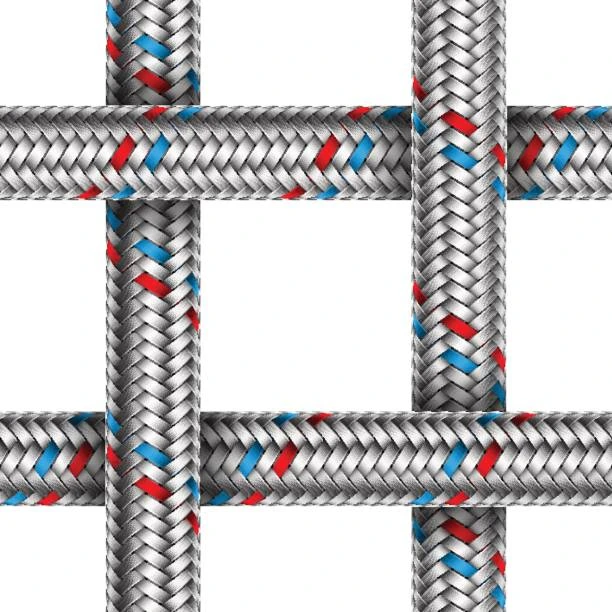
Braided hoses are becoming a staple in numerous industries due to their durability, flexibility, and performance under pressure. As infrastructure expands, machinery evolves, and fluid transport becomes more complex, the demand for hoses braided with high-quality materials continues to rise. Whether it’s in the automotive sector, construction projects, or food-grade piping, these hoses are crucial for safe and efficient fluid management. This article explores the increasing demand for braided hoses, their structure, features, and widespread applications.
Frequently Asked Questions (FAQ)
1. Why are braided hoses in high demand now?
The growing need for reliable fluid transport in industrial, commercial, and residential settings is driving demand. Their resistance to pressure, temperature, and chemicals makes them a preferred choice across sectors.
2. What materials are commonly used for braided hoses?
Braided hoses typically use stainless steel, nylon, or polyester as the braided layer. The inner tube may be made of rubber, PVC, or silicone, depending on the intended application.
3. Are braided hoses better than non-braided hoses?
Yes, in many cases. Braided hoses offer enhanced strength, flexibility, and pressure resistance compared to plain rubber or PVC hoses, making them suitable for more demanding environments.
4. What industries are increasing their use of braided hoses?
The automotive, construction, agriculture, and medical sectors are among the top users. Growth in these areas has significantly increased demand for durable and safe hose solutions.
5. How can I choose the right braided hose for my project?
Consider pressure requirements, fluid type, temperature range, hose size, and certification standards. It’s best to consult with a supplier familiar with your industry.
Definition and Key Characteristics
Braided hoses are flexible tubes reinforced with an external braiding made from materials such as stainless steel, polyester, or nylon. This braided layer provides structural integrity, allowing the hose to withstand higher pressures and resist abrasion, kinking, or bursting. The core of the hose typically transports liquids or gases and is made of materials like rubber, thermoplastic, or silicone.
These hoses come in a variety of configurations, including single-braided, double-braided, or even triple-braided types, depending on the desired strength. They can handle varying degrees of pressure and temperature, which makes them highly versatile.
Some common features include:
- High pressure resistance
- Corrosion and chemical resistance
- Thermal stability
- Flexibility and ease of installation
- Compatibility with various fittings and couplings
Braided hoses are manufactured to meet specific industry standards such as ISO, SAE, or NSF certifications, ensuring safety and reliability in their intended environments.
Common Applications and Industry Demand
As industrial processes become more complex, the need for robust hose systems has grown. Let’s look at some key sectors driving the demand for braided hoses.
1. Automotive Industry
In modern vehicles, braided hoses are used for brake systems, fuel lines, and coolant systems. The automotive industry prefers braided types because they can withstand extreme temperatures and pressure changes within the engine bay. With the expansion of electric and hybrid vehicles, there is even more demand for specialized braided hose that meet strict safety standards.
2. Construction and Infrastructure
Construction machinery often relies on hydraulic systems, which require high-pressure hoses. Braided hoses are used in excavators, cranes, and drilling machines due to their strength and flexibility. Additionally, residential and commercial buildings use braided hose for plumbing and HVAC systems.
3. Food and Beverage Industry
Food-grade braided hoses made from silicone or thermoplastic are used in beverage dispensers, water lines, and processing equipment. The braided layer not only ensures durability but also maintains hygiene by preventing contamination. As food safety regulations grow stricter worldwide, so does the demand for certified braided hose solutions.
4. Manufacturing and Industrial Plants
Chemical plants, oil refineries, and manufacturing facilities frequently use braided hoses to handle high-temperature fluids and corrosive chemicals. The stainless steel braided versions offer protection in environments with sharp edges, vibration, and constant movement.
5. Medical and Pharmaceutical Sector
Sterile and precision-driven environments require hoses that can resist bacteria and maintain flexibility. Medical-grade braided hoses made of silicone or Teflon are used in labs, hospitals, and pharmaceutical production. Their demand has increased significantly due to rising investments in healthcare infrastructure.
What’s Driving the Market Demand for Braided Hoses?
Several factors contribute to the rising global demand for hoses braided with advanced materials:
1. Urbanization and Infrastructure Growth
As urban areas grow, there’s a surge in water supply networks, sanitation systems, and building HVAC installations. These systems require durable hoses, and braided ones are often the best solution due to their reliability and lifespan.
2. Expansion of Industrial Automation
Modern industries rely on automated systems that use hydraulic, pneumatic, and fluid control systems. Braided hoses fit perfectly into these environments thanks to their performance consistency and adaptability.
3. Rising Standards in Safety and Certification
More industries now require compliance with stringent safety and environmental regulations. Braided hoses are often pre-certified, making them easier to integrate into high-standard operations, especially where fire resistance, pressure handling, or hygienic materials are required.
4. E-commerce and Global Sourcing
Thanks to online platforms, more businesses and individuals have access to specialized components like braided hoses. This accessibility increases demand globally, especially in developing markets where local production may be limited.
5. Customization and Versatility
Manufacturers now offer braided hoses in customized sizes, lengths, colors, and materials to match specific project needs. This trend toward tailored solutions makes these hoses even more appealing for both large-scale industrial users and smaller businesses.
Demand Trends by Region
Different regions exhibit varying levels of demand based on industrial focus and development stage:
- North America continues to be a major consumer, especially in the automotive and construction sectors.
- Europe has high demand in the food, pharmaceutical, and manufacturing industries due to strict safety regulations.
- Asia-Pacific shows the fastest growth, driven by infrastructure expansion, industrial development, and booming e-commerce.
- Latin America and Africa are seeing rising demand in agriculture and water infrastructure projects, where durable braided hoses are essential.
Environmental and Economic Benefits
Braided hoses offer cost-effective solutions due to their extended service life. Their resistance to bursting, cracking, and corrosion means fewer replacements and lower maintenance costs. Moreover, with the growing shift toward environmentally responsible manufacturing, many braided hoses are now made using recyclable materials and energy-efficient processes.
Additionally, their reliability reduces the risk of leaks or equipment failure, helping minimize downtime and resource waste—an essential consideration for companies aiming to improve operational efficiency and sustainability.
Summary
The demand for hoses braided with high-performance materials is growing rapidly across many industries. Whether it’s due to expanding infrastructure, increased safety standards, or the need for efficiency in automated systems, unmatched durability, flexibility, and reliability. From automotive applications to medical equipment, their structure makes them a trusted component in modern fluid transfer systems.
Understanding this demand and how these hoses are used allows buyers and professionals to make informed choices. When chosen correctly, braided hoses contribute to system longevity, safety, and cost-effectiveness—making them a smart investment in today’s demanding industrial landscape.
If you’re sourcing high-quality for your project, be sure to evaluate pressure ratings, material compatibility, and industry certifications. This way, you’ll ensure optimal performance, long-term savings, and compliance with today’s global standards.
IFAN International Standards
To meet global quality demands, IFAN HDPE pipes follow a wide range of international standards, such as ASTM D3035, ISO 4427, EN 12201, and GB/T 13663. These standards define the pipe’s strength, durability, and safety. Moreover, IFAN complies with DIN 8074/8075, AS/NZS 4130, JIS K6760, BS 6572, and CSA B137.1, making their products suitable for water, gas, and industrial systems worldwide. Because IFAN meets all these trusted certifications, users can confidently choose IFAN for reliable performance in any environment.
Contact Us
If you have any questions about cold taps or need help selecting the right model, feel free to reach out to our team. We offer expert advice and support tailored to your industry and application.
IFAN is a Chinese manufacturer of plastic pipes, fittings and valves with 30 years of experience. If you are interest in IFAN copper fittings, copper valves, plastic pipes and fittings, please contact us. IFAN offers you a variety of standard pipes to meet your specific needs. Click below to learn more about IFAN’s wide range of affordable and cost-effective valve products and piping system related products.
We will reply your email or fax within 24 hours.
You can call us at any time if there is any question on our production.
For more information,pls visit our webside https://www.waterpipefactory.com/
Pls Mailto: [email protected]
Whatsapp: + 86 152 1588 7738