
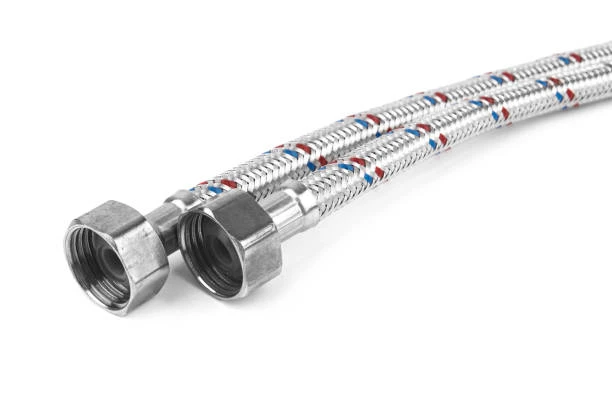
Braided hose pipes are essential in modern transportation systems, offering flexibility, pressure resistance, and durability for a wide range of fluid and gas transfer applications. Whether used in fuel systems, brake lines, air conditioning units, or hydraulic circuits, these pipes provide safe and reliable service even under intense mechanical stress. Understanding their key features, uses, and benefits is crucial for anyone working in logistics, automotive, marine, or aerospace industries.
This article explores what braided hose pipes are, their main characteristics, common applications in transportation, and answers frequently asked questions. By the end, you’ll have a clear understanding of why these pipes play such a vital role in keeping vehicles and equipment running efficiently and safely.
Frequently Asked Questions (FAQ)
1. What makes braided hose pipes suitable for transportation systems?
Braided hose pipes offer excellent pressure resistance, flexibility, and vibration absorption, making them ideal for dynamic transport environments like vehicles, ships, and aircraft.
2. Are braided hose pipes resistant to fuel and oil?
Yes. Many braided hose pipes are made with inner linings of synthetic rubber or PTFE, which are highly resistant to petroleum-based fluids, hydraulic oils, and coolants.
3. What is the maximum pressure a braided hose pipe can handle?
Depending on the material and structure, braided hose pipes can handle pressures from 150 psi to over 3,000 psi, making them suitable for everything from brake lines to heavy machinery.
4. Can they withstand extreme temperatures?
Absolutely. Braided hoses can function across a wide temperature range, typically from -40°C to over 200°C, depending on the specific material.
5. How long do braided hose pipes last in transportation systems?
With proper installation and maintenance, braided hose pipes can last several years, even in harsh operating conditions, contributing to long-term vehicle or equipment performance.
Definition and Key Characteristics of Braided Hose Pipes
A braided hose pipe is a flexible tube reinforced with a braided outer layer, usually made from stainless steel or synthetic fibers like polyester or aramid. This braided mesh enhances the pipe’s strength and protects the inner tube from damage, pressure bursts, and kinking.
Key features include:
- Pressure Resistance: The braided reinforcement allows the hose to carry fluids or gases under high pressure without bursting.
- Flexibility: Despite their strength, these hoses can bend easily, making them ideal for compact spaces and moving parts.
- Durability: The stainless steel or synthetic braid resists wear, corrosion, and UV exposure.
- Compatibility: Inner linings made from rubber, silicone, or PTFE allow for compatibility with a wide range of fluids.
- Low Expansion: The structure minimizes hose expansion under pressure, improving flow control and safety.
These features are particularly valuable in transportation applications where space constraints, high pressure, and movement are constant concerns.
Common Uses and Applications in the Transportation Industry
Braided hose pipes serve multiple transportation sectors, from automotive and aerospace to maritime and rail. Their versatility and resilience make them indispensable in the following areas:
1. Automotive Applications
In vehicles, braided hoses are commonly used in:
- Brake systems: For transferring brake fluid under high pressure.
- Fuel lines: To safely deliver gasoline or diesel.
- Turbochargers: Carrying hot compressed air between the turbo and intercooler.
- Coolant systems: For transferring water or antifreeze.
The braided structure ensures reliable performance under vibration and engine heat.
2. Aerospace Systems
Aircraft demand lightweight, high-pressure-resistant components. Braided hoses handle:
- Hydraulic actuation systems: Used for control surfaces and landing gear.
- Fuel supply lines: Managing kerosene or aviation fuel delivery under pressure.
- Cabin pressure control: Regulating air circulation and pressurization.
Their strength-to-weight ratio and fire resistance are critical in flight operations.
3. Marine Vessels
Onboard ships and boats, braided hoses are used in:
- Bilge pump systems: Handling seawater and waste transfer.
- Engine cooling: Transporting coolant to prevent overheating.
- Fuel lines and oil circuits: Providing safe fluid transfer in marine engines.
Corrosion resistance is especially important in the marine environment, and stainless steel braiding provides this protection.
4. Rail and Industrial Transport
Trains and heavy transport machinery utilize braided hoses for:
- Pneumatic brake systems: Delivering compressed air for braking operations.
- Hydraulic functions: Lifting and moving heavy components.
- Oil and lubricant circuits: Keeping engines and mechanical systems running smoothly.
The robust construction supports high-load, long-distance operations with minimal maintenance.
Summary
Braided hose pipes are essential components in the transportation industry, trusted for their strength, flexibility, and ability to perform under extreme conditions. From automotive fuel systems to aircraft hydraulics and marine engine cooling, these hoses help ensure safety, efficiency, and reliability across multiple sectors.
By understanding the unique characteristics and transport-specific applications of braided hose pipes, manufacturers and operators can make better decisions when selecting components for their systems. Whether transporting fuel, coolant, or compressed air, braided hose pipes deliver long-term performance and peace of mind in demanding environments.
If you’re in the market for dependable braided hose solutions for transportation applications, choose products tested for high pressure, temperature extremes, and compatibility with your specific fluid types. Investing in quality braided hose pipes is a step toward operational excellence and safety on the move.
IFAN International Standards
To meet global quality demands, IFAN HDPE pipes follow a wide range of international standards, such as ASTM D3035, ISO 4427, EN 12201, and GB/T 13663. These standards define the pipe’s strength, durability, and safety. Moreover, IFAN complies with DIN 8074/8075, AS/NZS 4130, JIS K6760, BS 6572, and CSA B137.1, making their products suitable for water, gas, and industrial systems worldwide. Because IFAN meets all these trusted certifications, users can confidently choose IFAN for reliable performance in any environment.
Contact Us
If you have any questions about cold taps or need help selecting the right model, feel free to reach out to our team. We offer expert advice and support tailored to your industry and application.
IFAN is a Chinese manufacturer of plastic pipes, fittings and valves with 30 years of experience. If you are interest in IFAN copper fittings, copper valves, plastic pipes and fittings, please contact us. IFAN offers you a variety of standard pipes to meet your specific needs. Click below to learn more about IFAN’s wide range of affordable and cost-effective valve products and piping system related products.
We will reply your email or fax within 24 hours.
You can call us at any time if there is any question on our production.
For more information,pls visit our webside https://www.waterpipefactory.com/
Pls Mailto: [email protected]
Whatsapp: + 86 152 1588 7738