
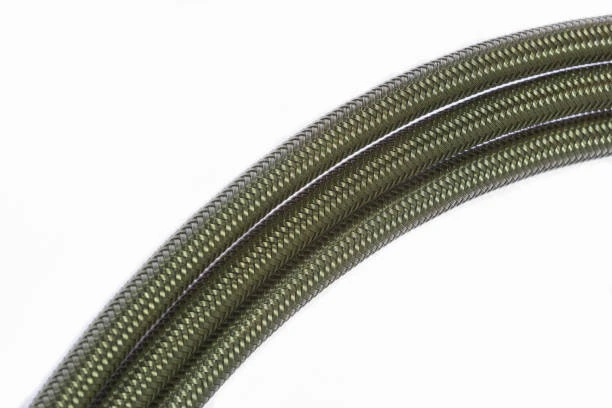
Braided hose pipes are essential components in modern mechanical systems. Known for their strength, flexibility, and resistance to pressure, they play a vital role in fluid transfer under demanding mechanical conditions. Whether used in hydraulic systems, engine cooling, industrial machinery, or pneumatic operations, braided hoses ensure safety and efficiency. This guide will walk you through everything you need to know about braided hose pipes from a mechanical perspective—covering definitions, key features, common uses, and practical questions.
Frequently Asked Questions (FAQ)
1. What is a braided hose pipe and how does it work in mechanical systems?
A braided hose pipe consists of a flexible inner tube covered by a woven metal or synthetic braid. In mechanical settings, it allows fluids or gases to move under high pressure without bursting or leaking.
2. What materials are used to make braided hose pipes for mechanical use?
Typically, the inner hose is made of rubber, thermoplastics, or PTFE, while the braid is made of stainless steel or synthetic fibers. These materials offer durability, heat resistance, and flexibility.
3. How does a braided hose improve mechanical performance?
Braided hoses reduce vibration, resist abrasion, and prevent hose expansion under pressure. This maintains system stability and ensures long-term performance.
4. Are braided hose pipes suitable for high-pressure machinery?
Yes, they are ideal for high-pressure environments like hydraulic systems, compressors, and power transmission units. Their construction helps them endure intense mechanical stresses.
5. What should I consider when choosing a braided hose pipe for my machine?
You should check the pressure rating, temperature range, fluid compatibility, and fitting types. Also consider the movement (flexing or static use) and the external environment.
Definition and Key Features of Braided Hose Pipes
A braided hose pipe is a type of reinforced flexible tubing designed to transport liquids or gases under mechanical stress. The term “braided” refers to the layer of interwoven metal or synthetic threads wrapped around the inner hose, which strengthens it and improves its resistance to pressure and wear.
In mechanical systems, braided hoses stand out for their:
- Flexibility: They bend easily without kinking, which is important in moving machinery or tight spaces.
- Pressure Resistance: The braided layer prevents the hose from expanding, allowing it to handle high internal pressure.
- Durability: The outer braiding protects the hose from abrasion, sharp edges, and environmental factors like heat and oil.
- Vibration Dampening: Braided hoses absorb mechanical vibration and reduce stress on connection points.
- Temperature Tolerance: Depending on the material, these hoses can handle both high and low temperatures, making them suitable for engine compartments and industrial machinery.
Braided hoses are available in different configurations, including single or double braid, and with various end fittings for mechanical integration—such as threaded ends, flanges, or quick connectors.
Common Uses and Mechanical Industry Applications
Braided hose pipes are used across a wide range of mechanical applications, thanks to their versatile performance. Below are the most common sectors and systems where they are essential.
1. Hydraulic Machinery
In hydraulic systems, high-pressure fluid movement is crucial for lifting, pushing, or controlling mechanical parts. Braided hoses connect pumps, valves, and actuators, withstanding pressure fluctuations and mechanical loads.
2. Automotive and Engine Systems
Vehicles use braided hose pipes in fuel lines, brake systems, power steering, and coolant circuits. The hoses resist engine heat and high-speed vibrations, ensuring safety and engine efficiency.
3. Industrial Compressors
In air and gas compressors, braided hoses help transfer compressed air to tools or systems. Their strength allows them to handle sudden bursts of pressure without rupturing.
4. Pneumatic Tools and Assembly Lines
Manufacturing environments rely on pneumatic tools powered by compressed air. Braided hose pipes provide a safe, kink-free, and durable connection between air sources and devices.
5. Construction and Agricultural Equipment
Heavy-duty machines such as excavators, tractors, and loaders operate under tough conditions. Braided hoses handle hydraulic and fuel transfer efficiently, even in dirty or high-vibration environments.
6. Cooling Systems in Mechanical Plants
Heat exchangers and cooling units in industrial plants use braided hose pipes to circulate water or coolant. These hoses resist scaling, corrosion, and high flow rates.
7. Robotics and Automated Systems
In robotic arms or CNC machinery, braided hoses carry coolants, lubricants, or pressurized air to critical parts. Their flexibility and small bending radius help maintain motion freedom.
Why Braided Hoses Are Preferred in Mechanical Engineering
There are several reasons why braided hoses are the first choice for many mechanical engineers and technicians:
- Reduced Maintenance: Their durable construction leads to longer service intervals and fewer replacements.
- Ease of Installation: Flexible hoses are easier to route and install than rigid piping, saving time during assembly.
- Safety: The braided structure prevents hose rupture and improves pressure stability, reducing the risk of system failure.
- Customization: They come in various lengths, diameters, and materials, which means they can be tailored for specific mechanical tasks.
For example, stainless steel braided hoses can handle corrosive fluids or steam, while PTFE-lined hoses are great for chemical resistance. Double-braided versions are often used in very high-pressure applications.
Selecting the Right Braided Hose for Mechanical Use
Choosing the right hose involves matching the product to your mechanical system’s demands. Here are key factors to keep in mind:
- Operating Pressure: Always select a hose with a pressure rating higher than your system’s maximum operating pressure.
- Temperature Range: Check both fluid and ambient temperatures to ensure the hose won’t degrade or burst.
- Bend Radius: If your system involves tight spaces or movement, select a hose with a small minimum bend radius.
- Fittings Compatibility: Make sure the hose ends fit perfectly with your mechanical connectors to avoid leaks.
- Material Compatibility: Ensure the inner tube material is compatible with the fluid or gas used in your system.
- Environmental Conditions: Consider factors such as UV exposure, chemical splash, vibration, and abrasion when selecting the outer braid material.
Summary
Braided hose pipes are indispensable in mechanical systems where pressure, temperature, and vibration are present. With their strong internal structure and flexible design, they provide safe and efficient fluid transfer across a wide range of machines and applications. From hydraulic lifts to industrial robots, braided hoses help power the modern mechanical world with reliability and precision.
By understanding their features, selecting the right materials, and considering system requirements, you can ensure your braided hose pipe supports your machinery effectively for years to come.
Let your mechanical systems run smoother, safer, and longer—with the right braided hose pipe in place.
IFAN International Standards
To meet global quality demands, IFAN HDPE pipes follow a wide range of international standards, such as ASTM D3035, ISO 4427, EN 12201, and GB/T 13663. These standards define the pipe’s strength, durability, and safety. Moreover, IFAN complies with DIN 8074/8075, AS/NZS 4130, JIS K6760, BS 6572, and CSA B137.1, making their products suitable for water, gas, and industrial systems worldwide. Because IFAN meets all these trusted certifications, users can confidently choose IFAN for reliable performance in any environment.
Contact Us
If you have any questions about cold taps or need help selecting the right model, feel free to reach out to our team. We offer expert advice and support tailored to your industry and application.
IFAN is a Chinese manufacturer of plastic pipes, fittings and valves with 30 years of experience. If you are interest in IFAN copper fittings, copper valves, plastic pipes and fittings, please contact us. IFAN offers you a variety of standard pipes to meet your specific needs. Click below to learn more about IFAN’s wide range of affordable and cost-effective valve products and piping system related products.
We will reply your email or fax within 24 hours.
You can call us at any time if there is any question on our production.
For more information,pls visit our webside https://www.waterpipefactory.com/
Pls Mailto: [email protected]
Whatsapp: + 86 152 1588 7738