
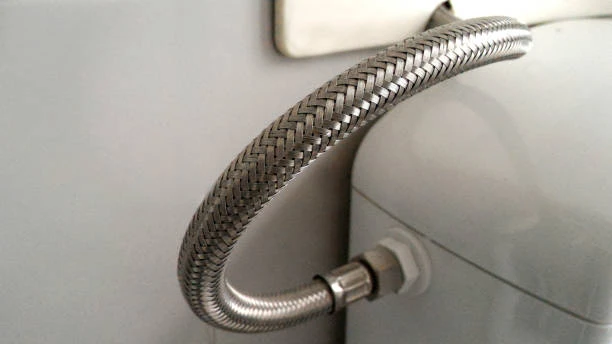
1. Summary of the Article
Braided hose pipes are essential components in plumbing, industrial, and mechanical systems, offering durability, flexibility, and resistance to pressure and corrosion. This article provides a detailed guide on the installation and maintenance of braided hose pipes. We cover the basics of what they are, their main features, applications, and best practices for ensuring their long-term performance. Whether you’re a professional installer or a DIY enthusiast, this comprehensive article will help you use braided hose pipes effectively and safely in your projects.
2. Frequently Asked Questions (FAQ)
Q1: What tools do I need to install a braided hose pipe?
You typically need an adjustable wrench, Teflon tape, and in some cases, pipe thread sealant. Make sure the fittings and connectors match the hose size.
Q2: How long does a braided hose pipe usually last?
With proper installation and maintenance, a braided hose pipe can last anywhere from 5 to 10 years, depending on the environment and usage.
Q3: Can I use a braided hose pipe for both hot and cold water?
Yes, most braided hose pipes are designed to handle a wide range of temperatures and can be safely used for hot and cold water applications.
Q4: How do I know when it’s time to replace a braided hose pipe?
Signs include visible fraying, bulging, leaks, rust on connectors, or reduced water pressure. Regular inspection can help you spot these early.
Q5: Is it okay to bend the braided hose pipe during installation?
While braided hoses are flexible, avoid sharp bends or kinks. Use gradual curves to prevent internal damage and maintain flow efficiency.
3. Basic Definition and Key Features
A braided hose pipe is a flexible hose covered with a braided outer layer, typically made of stainless steel or nylon. This braid gives the hose extra strength and flexibility, protecting it from bursting under pressure and allowing it to handle a variety of mechanical stresses.
Key Features:
- Durability: The braided exterior resists wear and tear.
- Flexibility: Easily bends around corners and tight spaces.
- Corrosion Resistance: Stainless steel or nylon braid protects against rust.
- Pressure Tolerance: Suitable for high-pressure systems.
- Versatility: Available in many sizes and connector types.
Because of these features, braided hose pipes are preferred in applications where traditional rigid pipes may not perform well or would be difficult to install.
4. Common Applications and Industries
Braided hose pipes are used across many sectors thanks to their adaptability and strength. Some of the most common applications include:
Household Plumbing
In domestic settings, braided hoses are used to connect water supply lines to faucets, toilets, dishwashers, and washing machines. Their flexibility makes them ideal for tight or confined spaces.
HVAC Systems
Heating, ventilation, and air conditioning units often use braided hoses to manage coolant or water flow. Their high-pressure resistance and temperature tolerance make them a reliable choice.
Industrial Machinery
Factories and workshops use braided hose pipes to transport hydraulic fluids, oils, and chemicals. The durable construction allows them to operate safely under extreme conditions.
Automotive Industry
In cars and trucks, braided hoses are used for brake lines, fuel systems, and engine cooling circuits. The outer braid helps protect the inner tubing from heat and vibration.
Food and Beverage Production
Special food-grade braided hoses are used to transport water, beer, milk, or juices in clean environments. They meet hygiene standards while ensuring reliable flow.
5. Installation Guide: Best Practices
Installing a braided hose pipe correctly is crucial for safety and long-term performance. Here’s a step-by-step overview:
Step 1: Choose the Right Hose
Before installation, check the size, length, and pressure rating. Make sure it matches your system’s requirements.
Step 2: Inspect Connectors and Threads
Verify that the hose connectors are clean and undamaged. Apply Teflon tape or thread sealant to male threads if needed.
Step 3: Hand Tighten First
Attach the hose to the fitting and hand tighten. Do not cross-thread the connectors.
Step 4: Use a Wrench to Secure
Gently tighten the hose with a wrench, but avoid over-tightening. Excess pressure can damage the fitting or the internal seal.
Step 5: Test for Leaks
Turn on the system and check for leaks. If you notice any dripping or hissing, shut off the water, disconnect, and re-seal the connection.
Additional Tips:
- Avoid twisting the hose during installation.
- Do not stretch the hose to make it fit—always use the correct length.
- Keep hoses away from sharp objects and hot surfaces.
6. Maintenance Tips for Long-Term Use
Regular maintenance ensures your braided hose pipes perform efficiently and safely. Here are some tips to follow:
Inspect Periodically
Check your hoses every few months for signs of wear, corrosion, or leaks. Look especially at the connection points.
Clean When Necessary
For hoses used in food or chemical industries, clean them regularly according to manufacturer guidelines. Use appropriate cleaning agents to avoid damaging the material.
Avoid Exposure to Harsh Environments
While braided hoses are robust, constant exposure to chemicals, UV rays, or physical stress can shorten their life. Use protective sleeves if necessary.
Replace When Signs of Damage Appear
Don’t wait for a failure. If you see cracks, rust, bulges, or loose fittings, replace the hose immediately to avoid water damage or operational disruption.
Store Spares Properly
If you keep extra hoses in stock, store them in a cool, dry place away from direct sunlight and chemicals.
7. Troubleshooting Common Issues
Sometimes, even properly installed hoses can face problems. Here’s how to address them:
- Leak at the Connector: Likely due to a loose fitting or missing washer. Re-seal and re-tighten.
- Low Water Pressure: May result from a kinked hose or partial blockage. Check the hose for bends or debris.
- Noisy Vibration: If the hose vibrates when water flows, it may not be secured properly. Anchor it or use a longer hose to relieve tension.
- Cracks in the Outer Braid: Indicates age or environmental stress. Replace the hose immediately.
8. Conclusion
Braided hose pipes are reliable, flexible, and strong, making them a staple in countless plumbing and industrial applications. When installed and maintained properly, they deliver years of trouble-free performance. Whether used in your home, workshop, or commercial facility, understanding how to handle them correctly ensures safety, efficiency, and peace of mind. By following best practices for installation and routine maintenance, you’ll get the most out of your braided hose pipes while preventing costly failures or accidents.
IFAN International Standards
To meet global quality demands, IFAN HDPE pipes follow a wide range of international standards, such as ASTM D3035, ISO 4427, EN 12201, and GB/T 13663. These standards define the pipe’s strength, durability, and safety. Moreover, IFAN complies with DIN 8074/8075, AS/NZS 4130, JIS K6760, BS 6572, and CSA B137.1, making their products suitable for water, gas, and industrial systems worldwide. Because IFAN meets all these trusted certifications, users can confidently choose IFAN for reliable performance in any environment.
Contact Us
If you have any questions about cold taps or need help selecting the right model, feel free to reach out to our team. We offer expert advice and support tailored to your industry and application.
IFAN is a Chinese manufacturer of plastic pipes, fittings and valves with 30 years of experience. If you are interest in IFAN copper fittings, copper valves, plastic pipes and fittings, please contact us. IFAN offers you a variety of standard pipes to meet your specific needs. Click below to learn more about IFAN’s wide range of affordable and cost-effective valve products and piping system related products.
We will reply your email or fax within 24 hours.
You can call us at any time if there is any question on our production.
For more information,pls visit our webside https://www.waterpipefactory.com/
Pls Mailto: [email protected]
Whatsapp: + 86 152 1588 7738