
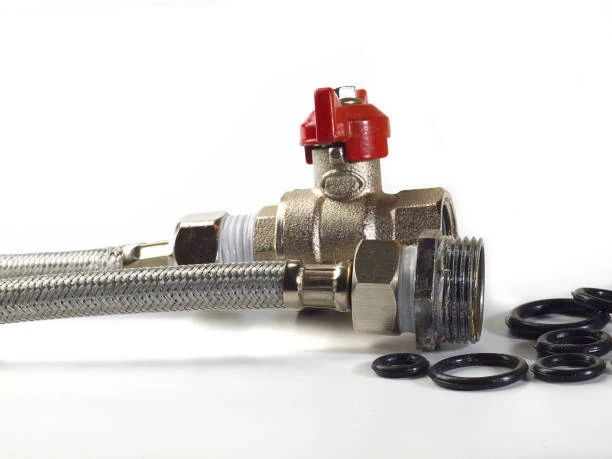
Braided hose pipes play a vital role in a wide range of applications, from domestic plumbing to complex industrial systems. While they might appear similar to standard rubber or PVC hoses, their construction, performance, and use cases set them apart in several important ways. This article will help you understand what makes braided hose pipes unique, how they differ from other hose types, and why they are preferred in specific settings. We’ll also answer common questions, explore their key features, and highlight the industries that rely on them the most. By the end, you’ll have a clear picture of whether a braided hose pipe is the right choice for your needs.
Frequently Asked Questions (FAQ)
1. What makes a braided hose pipe different from a regular rubber hose?
Braided hose pipes have an inner flexible tube covered with a woven stainless steel or nylon mesh. This braided layer enhances strength, pressure resistance, and durability—qualities that rubber hoses may lack under certain conditions.
2. Are braided hose pipes suitable for both hot and cold water systems?
Yes, their reinforced structure allows them to perform reliably in both hot and cold water systems, making them versatile for home and industrial use.
3. Can braided hose pipes be used outdoors?
Definitely. The outer braided layer provides protection from UV rays, physical wear, and harsh weather, which makes them ideal for outdoor installations.
4. Do braided hose pipes require special connectors or fittings?
Most braided hose pipes come with standard fittings compatible with a wide range of fixtures, although specific applications might require particular connection types.
5. How do I know when to replace a braided hose pipe?
Visible wear on the braid, leaks at the joints, or bulging under pressure indicate that it’s time to replace the hose. Regular inspections every 6–12 months can prevent unexpected failures.
Definition and Key Characteristics of Braided Hose Pipes
A braided hose pipe is a flexible hose with a reinforcement layer of braided material—usually stainless steel or synthetic fibers—wrapped around an inner tube made from rubber, EPDM, PVC, or silicone. This layered construction delivers several performance benefits that differentiate it from simpler hose designs.
Here are the key characteristics:
- High Pressure Tolerance: The braided layer distributes pressure evenly, allowing the hose to handle higher internal pressures than standard hoses.
- Flexibility with Strength: While strong, the hose remains flexible enough for tight installations or movement-heavy applications.
- Temperature Resistance: Depending on the material, braided hoses can tolerate temperatures ranging from -20°C to over 100°C.
- Enhanced Durability: The outer mesh resists wear, abrasion, and chemical exposure.
- Leak Protection: With proper installation, braided hoses offer long-lasting leak-free operation.
The braided hose pipe’s balanced performance makes it a preferred choice where safety, durability, and pressure control are priorities.
Common Uses and Industry Applications
Braided hose pipes are used in a wide variety of settings thanks to their reliable construction and adaptability. Here’s how they differ from other hose types in terms of application:
Domestic Plumbing
In household applications, braided hoses are often used to connect water heaters, faucets, washing machines, and dishwashers. Compared to rubber or PVC hoses, braided hoses offer greater peace of mind due to their burst resistance.
HVAC Systems
Heating, ventilation, and air conditioning systems benefit from braided hoses because they maintain flexibility while withstanding high operating temperatures and vibrations. This makes them more durable and longer-lasting than standard tubing.
Automotive and Mechanical
In vehicles, braided hoses are used for brake systems, fuel lines, and coolant connections. The added reinforcement ensures safety under pressure, which is essential for automotive reliability.
Food and Beverage Industry
Food-grade braided hoses often include a sanitary inner lining with a protective outer braid. These hoses resist flavor contamination and withstand the repeated cleaning cycles required in food processing environments.
Chemical and Industrial Applications
Braided hoses used in chemical processing are typically made with Teflon or other resistant materials. The braided layer prevents the hose from expanding under pressure, ensuring safe chemical transfer.
Compared to unbraided rubber hoses, which may degrade or burst in such environments, braided hoses provide superior performance and safety.
Conclusion
Braided hose pipes stand out from other hose types due to their robust construction, high resistance to pressure, temperature, and external wear. Whether you’re working on a residential plumbing setup or operating in a high-demand industrial environment, understanding the differences between braided hose pipes and their non-braided counterparts can help you make more informed purchasing and installation decisions.
Their added strength, flexibility, and reliability make them a popular choice across many sectors. If you’re looking for a hose that delivers long-term performance, safety, and minimal maintenance, a braided hose pipe may be the ideal solution.
By knowing how they work, where they excel, and how they compare to other options, you’ll be better equipped to choose the right product for your specific application.
IFAN International Standards
To meet global quality demands, IFAN HDPE pipes follow a wide range of international standards, such as ASTM D3035, ISO 4427, EN 12201, and GB/T 13663. These standards define the pipe’s strength, durability, and safety. Moreover, IFAN complies with DIN 8074/8075, AS/NZS 4130, JIS K6760, BS 6572, and CSA B137.1, making their products suitable for water, gas, and industrial systems worldwide. Because IFAN meets all these trusted certifications, users can confidently choose IFAN for reliable performance in any environment.
Contact Us
If you have any questions about cold taps or need help selecting the right model, feel free to reach out to our team. We offer expert advice and support tailored to your industry and application.
IFAN is a Chinese manufacturer of plastic pipes, fittings and valves with 30 years of experience. If you are interest in IFAN copper fittings, copper valves, plastic pipes and fittings, please contact us. IFAN offers you a variety of standard pipes to meet your specific needs. Click below to learn more about IFAN’s wide range of affordable and cost-effective valve products and piping system related products.
We will reply your email or fax within 24 hours.
You can call us at any time if there is any question on our production.
For more information,pls visit our webside https://www.waterpipefactory.com/
Pls Mailto: [email protected]
Whatsapp: + 86 152 1588 7738