
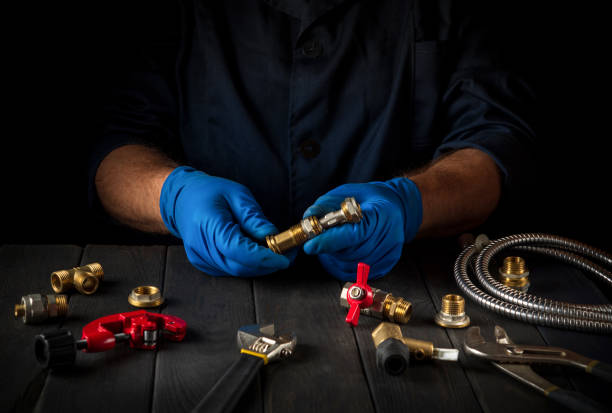
The global market for nylon braided hoses constantly experiences price changes that impact manufacturers, distributors, and end-users across numerous industries. These flexible, durable hoses serve critical functions in automotive, industrial, and household applications, making their pricing stability important for supply chain planning and budgeting. Several interconnected factors drive these price fluctuations, from raw material costs and manufacturing expenses to geopolitical influences and market demand shifts. This comprehensive analysis explores the complex dynamics behind nylon braided hose pricing, answering common questions about cost factors, examining product characteristics that affect value, and reviewing how different industries respond to market changes. Understanding these pricing mechanisms will help businesses make informed purchasing decisions, develop effective procurement strategies, and navigate the constantly evolving landscape of industrial hose markets.
Frequently Asked Questions (FAQ)
1. What primarily causes price changes in nylon braided hoses?
Raw material costs represent the most significant factor in price fluctuations. Nylon resin prices respond to crude oil market changes since nylon is a petroleum-based product. Manufacturing energy costs, labor expenses, and transportation fees also contribute substantially to final pricing. Global supply chain disruptions can instantly affect availability and cost throughout the market.
2. How often do these prices typically change?
Most manufacturers review pricing quarterly, but sudden market shifts can trigger more frequent adjustments. Major petroleum price changes usually affect nylon costs within 4-6 weeks. Seasonal demand variations cause regular price fluctuations, with typically higher prices during peak manufacturing seasons. Long-term contracts sometimes buffer against short-term market volatility.
3. Can customers negotiate pricing during periods of volatility?
Yes, negotiation remains possible even during volatile periods. Volume purchases often secure better pricing despite market fluctuations. Long-term contracts with price adjustment clauses can benefit both buyers and suppliers. Some manufacturers offer price protection programs for committed volume purchases. Early payment discounts sometimes help offset overall cost increases.
4. Do different industries experience different price impacts?
Yes, pricing effects vary significantly across industries. The automotive sector often receives preferential pricing due to large volume commitments. Aerospace and medical applications face higher costs due to stricter quality requirements. General industrial users typically experience standard market pricing with less protection from volatility.
5. How can businesses mitigate the impact of price fluctuations?
Businesses can employ several strategies to manage cost variability. Diversifying suppliers reduces dependency on single sources. Maintaining strategic inventory buffers against short-term spikes. Investing in value engineering helps identify cost-effective alternatives. Long-term partnerships with suppliers often provide better pricing stability and early market intelligence.
Basic Definition and Price-Influencing Characteristics
Nylon braided hoses consist of an inner tube of nylon material reinforced with braided synthetic fiber and typically covered with a protective outer layer. This construction provides excellent pressure resistance, flexibility, and durability across various applications. The material composition directly connects these hoses to petroleum markets, making them subject to energy price fluctuations.
Several product characteristics significantly influence pricing variations. Higher pressure ratings require more reinforcement layers, increasing material costs and production time. Specialized formulations for chemical resistance or temperature tolerance involve more expensive additives and manufacturing processes. Custom lengths and fittings add engineering and production expenses that standard products don’t incur.
Quality certifications like ISO standards or industry-specific approvals add verification costs that affect final pricing. Color variations and branding requirements can increase production complexity and expense. Packaging specifications, particularly for industrial or international shipments, contribute to overall product costs. Minimum order quantities and custom packaging further influence per-unit pricing.
Manufacturing processes themselves impact cost structures. Automated production maintains more consistent pricing than manual manufacturing. Production scale significantly affects per-unit costs, with larger runs typically offering better economies. Geographic manufacturing locations influence labor costs and export expenses that affect global pricing.
Common Uses and Industry Price Sensitivity
Nylon braided hoses serve numerous applications with varying price sensitivity levels. The automotive industry uses them for fuel lines, brake systems, and hydraulic connections. This sector typically maintains large volume contracts that provide some pricing stability despite market fluctuations. Automotive manufacturers often absorb cost increases rather than disrupt production schedules.
Industrial applications include pneumatic tools, machinery connections, and compressed air systems. These users generally face direct market pricing and must adapt to changes more frequently. Many industrial firms employ just-in-time inventory systems that make them vulnerable to sudden price increases and supply disruptions.
The aerospace industry requires specially certified hoses with stringent quality requirements. These specialized products command premium pricing that fluctuates less dramatically than standard industrial hoses. The medical field uses nylon braided hoses in equipment and devices, where quality requirements outweigh cost considerations in most cases.
Consumer applications include appliance connections, outdoor equipment, and recreational products. These manufacturers often face intense cost pressure from retail markets, making them highly sensitive to hose pricing changes. Many consumer product companies switch suppliers more frequently to maintain target pricing.
Agricultural equipment manufacturers use these hoses in irrigation systems and machinery. This sector experiences seasonal demand variations that compound price fluctuation effects. Government and military applications often involve specialized requirements that maintain consistent pricing through long-term contracts.
Conclusion
In conclusion, nylon braided hose pricing reflects a complex interplay of global market forces, manufacturing considerations, and industry-specific factors. While raw material costs form the foundation of price structures, numerous other elements contribute to market volatility. Understanding these dynamics helps businesses develop effective procurement strategies and maintain cost control despite market fluctuations.
The market continues evolving with new materials and manufacturing technologies potentially affecting future pricing structures. Environmental considerations and recycling capabilities may influence long-term cost factors. Geographic manufacturing shifts could redistribute global pricing patterns in coming years.
Businesses that understand these pricing mechanisms can better navigate market changes and maintain competitive advantages. Developing strong supplier relationships, monitoring market indicators, and maintaining flexibility in procurement approaches all help manage cost variability. As global markets become increasingly interconnected, price fluctuations will continue affecting nylon braided hose costs, making market awareness and strategic planning essential for all industry participants.
Contact
IFAN is a Chinese manufacturer of plastic pipes, fittings and valves with 30 years of experience. If you are interest in IFAN copper fittings, copper valves, plastic pipes and fittings, please contact us. IFAN offers you a variety of standard pipes to meet your specific needs. Click below to learn more about IFAN’s wide range of affordable and cost-effective valve products and piping system related products.
We will reply your email or fax within 24 hours.
You can call us at any time if there is any question on our production.
For more information,pls visit our webside https://www.waterpipefactory.com/
Pls Mailto: [email protected]
Whatsapp: + 86 152 1588 7738