
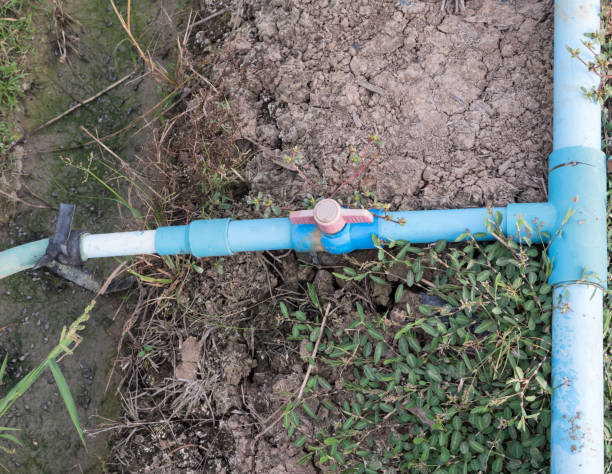
Introduction
PVC ball valves have gained widespread popularity in modern piping systems due to their unique combination of lightweight design, corrosion resistance, and operational efficiency. These valves provide a reliable method of controlling water, chemical solutions, and other fluids in residential, commercial, and industrial applications. Unlike metal valves, PVC ball valves reduce maintenance costs, simplify installation, and ensure long-term durability. This article explores their definition, key features, applications, selection criteria, installation tips, and comparisons with alternative materials.
Frequently Asked Questions (FAQ)
1. What are PVC ball valves?
PVC ball valves are quarter-turn valves made from polyvinyl chloride, using a hollow, rotating ball to regulate fluid flow.
2. Are PVC ball valves suitable for drinking water?
Yes, certified PVC ball valves meet safety standards and are safe for potable water applications.
3. How durable are PVC ball valves?
With proper installation and routine maintenance, they can last 15 to 25 years, depending on system conditions.
4. Can PVC ball valves handle chemicals in irrigation?
Yes, they are resistant to fertilizers, chlorine, and many chemicals, making them ideal for agricultural systems.
5. How do PVC ball valves compare with metal valves?
They are lighter, corrosion-resistant, and cost-effective, though they have lower temperature and pressure limits compared to metal alternatives.
Definition and Key Features of PVC Ball Valves
A PVC ball valve is a type of valve that controls fluid flow through a rotating ball with a central bore. When the ball rotates 90 degrees, the flow is either fully open or completely blocked.
Key features include:
- Lightweight Design: Easier to transport, install, and handle compared to brass or stainless steel valves.
- Corrosion Resistance: PVC material resists rust, chemical attack, and environmental degradation.
- Low Maintenance: Does not require frequent lubrication or intensive upkeep.
- Smooth Operation: The ball mechanism allows precise control and quick quarter-turn operation.
- Chemical Resistance: Compatible with water, fertilizers, chlorine, and other common liquids used in irrigation and industrial applications.
- Cost-Effectiveness: Offers a lower-cost alternative to metal valves without compromising essential performance.
PVC ball valves provide an efficient, reliable, and user-friendly solution for controlling fluid flow.
Common Uses and Industries
PVC ball valves are versatile and widely used in various sectors, including:
- Residential Water Supply: They manage water flow in homes, gardens, and plumbing systems.
- Agriculture and Irrigation: Facilitate precise control of water and nutrient delivery in farms and landscaping.
- Industrial Applications: Control non-pressurized chemical solutions, cooling systems, and water treatment processes.
- Aquaculture: Circulate water in fish tanks, ponds, and aquaponics setups.
- Municipal and Commercial Systems: Used in non-pressurized lines, storage tanks, and secondary water distribution.
Their lightweight design and chemical resistance make them particularly suitable for irrigation and medium-pressure water supply systems.
Buying Guide: How to Choose PVC Ball Valves
When selecting a PVC ball valve, consider the following factors:
- Material Quality: Ensure the valve is made from high-grade PVC designed for your system’s pressure and chemical exposure.
- Size and Connection Type: Choose the correct diameter and connection method, such as socket, threaded, or flanged.
- Pressure and Temperature Ratings: Standard PVC valves typically handle up to 16 bar and 60°C; use CPVC for higher temperature requirements.
- Certification and Compliance: Look for NSF, ISO, or local regulatory approvals for potable water applications.
- Application Requirements: Determine whether the valve will handle chemicals, chlorinated water, or fertilizers.
- Handle Design: Lever handles provide easier operation and better control for manual flow adjustments.
Choosing the right valve ensures reliability, minimizes maintenance, and enhances overall system efficiency.
Installation Considerations
Proper installation is critical for optimal performance of PVC ball valves.
- Pipe Preparation: Clean and deburr pipe ends to prevent leaks and stress.
- Connection Method: Use solvent cement for socket connections or Teflon tape for threaded joints.
- Flow Direction: Align the valve according to arrows on the body for correct operation.
- Avoid Over-Tightening: Excessive force can crack the valve or damage seals.
- Pressure Testing: Conduct post-installation testing to confirm leak-free operation.
- Accessibility: Install valves where they can be easily reached for maintenance and operation.
- Pipe Support: Ensure adequate support to prevent stress on the valve and piping system.
Regular inspection and occasional cleaning help maintain smooth operation and extend service life.
PVC Ball Valves vs. Other Valve Materials
| Feature | PVC Ball Valve | Brass Ball Valve | Stainless Steel Valve |
|---|---|---|---|
| Corrosion Resistance | Excellent | Good | Excellent |
| Weight | Very Light | Moderate | Heavy |
| Cost | Low | Higher | High |
| Maintenance Requirement | Low | Moderate | Low |
| Pressure Rating | Up to 16 bar | Up to 25 bar | Up to 40 bar |
| Temperature Range | Up to 60°C | Up to 100°C | Up to 200°C |
| Chemical Resistance | High | Moderate | Very High |
The table demonstrates that PVC ball valves provide an excellent balance of cost, chemical resistance, and lightweight design, especially suitable for irrigation and low- to medium-pressure water systems.
Conclusion
PVC ball valves are lightweight, corrosion-resistant, and highly efficient, making them an ideal solution for residential, agricultural, and industrial piping systems. Their durability, chemical resistance, and easy installation make them particularly well-suited for water supply, irrigation, and chemical applications. By selecting the appropriate size, material, and certification, and following proper installation practices, PVC ball valves can provide long-lasting performance, minimal maintenance, and reliable operation. For projects that value efficiency, durability, and cost-effectiveness, PVC ball valves clearly stand out as a superior choice.
IFAN’s international standards
IFAN products comply with multiple international standards, including BS 3505, BS 4346, ASTM D1785 SCH40, ASTM D1785 SCH80, DIN, GB, DWV, ASTM D2665, ASTM D2241, ASTM D2729, ASTM F441/F441M, ISO 1452 Series standards, EN ISO 1452, DIN 8061/8062, GB/T 10002 Series standards, AS/NZS 1477, JIS K6741, CSA B137.3, NSF/ANSI 14, TIS 17-2532/1131-2535, among others. These certifications ensure that IFAN piping systems meet global requirements for safety, durability, and performance.
Connect
IFAN, a Chinese manufacturer with 30 years of experience, specializes in high-quality plastic pipes, fittings, and valves. Interested in IFAN’s copper fittings, copper valves, plastic pipes, or fittings? Contact us today. IFAN offers a wide range of standard pipes tailored to your needs. Explore our affordable, cost-effective valve and piping system products.
We respond to emails or faxes within 24 hours. For immediate assistance, call us anytime with questions about our products.
For more information,pls visit our webside https://www.waterpipefactory.com/
Pls Mailto: [email protected]
Whatsapp: + 86 152 1588 7738