
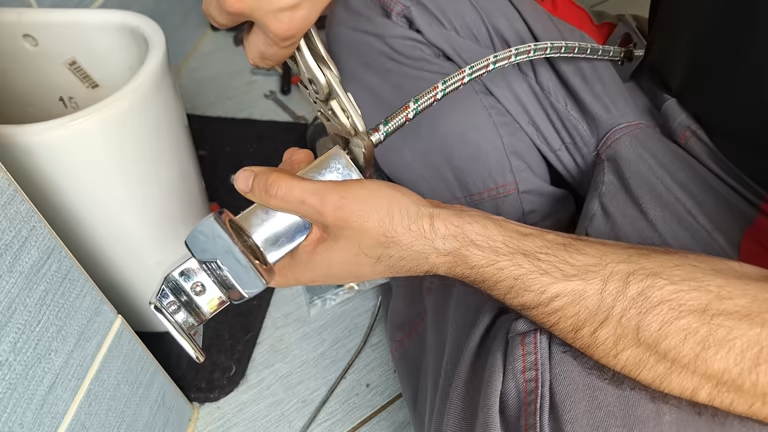
Wire braided hoses represent engineering marvels where material selection directly determines performance, durability, and application suitability. These sophisticated hoses combine multiple materials in a layered structure that creates exceptional strength and flexibility. The choice of materials affects every aspect of performance, from pressure rating and temperature resistance to chemical compatibility and service life. This comprehensive guide explores the various materials used in wire braided hose construction, examining their properties, advantages, and ideal applications. We will answer common questions about material selection, compatibility issues, and performance characteristics. Whether you are an engineer specifying components, a maintenance professional selecting replacements, or a procurement specialist evaluating options, understanding the materials in wire braided hoses will help you make informed decisions that ensure reliability, safety, and cost-effectiveness in your fluid transfer systems.
Basic Definition and Characteristics
Wire braided hoses feature a multi-layer construction with each layer serving specific functions using carefully selected materials. The inner tube typically uses synthetic rubber compounds like EPDM, NBR, or CR for oil resistance, or materials like PTFE for chemical resistance. This layer must maintain flexibility while preventing fluid permeation and resisting degradation from conveyed media. The reinforcement layer consists of high-tensile steel wires woven in a braided pattern, though some applications use stainless steel or specialized alloys for corrosion resistance. The outer cover commonly uses synthetic rubber, PVC, or polyurethane compounds that provide protection against environmental factors, abrasion, and mechanical damage.
Material characteristics determine the hose’s performance parameters including temperature range, pressure rating, and flexibility. Synthetic rubber compounds offer excellent flexibility and resistance to aging, while thermoplastic materials provide superior chemical resistance. The steel wire braiding contributes tensile strength and pressure resistance, with the number of braid layers directly affecting the pressure rating. Material compatibility between layers ensures cohesive performance, while special compounds can include additives for UV resistance, fire resistance, or anti-static properties. Manufacturers carefully select materials based on intended applications, ensuring each component works harmoniously to deliver reliable performance under specific operating conditions.
Common Uses and Application Industries
Wire braided hoses serve diverse industries where material properties match specific operational requirements. The automotive industry uses fuel-resistant hoses with NBR inner tubes for fuel lines and power steering systems. Hydraulic applications across construction and manufacturing rely on oil-resistant rubber compounds with multiple steel wire braids for high-pressure operations. Chemical processing industries employ PTFE-lined hoses with stainless steel braiding for handling corrosive chemicals and solvents.
Food and beverage processing facilities use wire braided hoses with FDA-approved materials like white EPDM or PTFE for product transfer and cleaning operations. Pharmaceutical manufacturing requires USP Class VI certified materials that meet strict hygiene and contamination standards. Marine and offshore applications utilize hoses with corrosion-resistant materials and saltwater-compatible compounds. Aerospace industries specify lightweight yet strong materials with exceptional reliability for hydraulic and fuel systems. Even fire protection systems use special heat-resistant materials that maintain integrity under extreme conditions. Each industry benefits from specific material combinations that address their unique operational challenges and regulatory requirements.
Frequently Asked Questions (FAQ)
What materials offer the best chemical resistance in wire braided hoses?
PTFE (polytetrafluoroethylene) inner tubes provide the broadest chemical resistance, handling aggressive solvents, acids, and bases. For less demanding applications, FKM (fluoroelastomer) offers good resistance to many chemicals while maintaining flexibility. Always consult chemical compatibility charts since no single material resists all chemicals, and temperature concentrations affect performance.
How does temperature affect material selection for these hoses?
Temperature ranges significantly influence material choices. Standard NBR rubber typically handles -40°C to 100°C, while EPDM works well for higher temperatures up to 150°C. Special compounds like FKM can withstand 200°C, and PTFE handles even higher temperatures. Low-temperature applications require materials that remain flexible without cracking in freezing conditions.
What material combinations work best for high-pressure applications?
High-pressure applications require multiple layers of high-tensile steel wire braiding combined with reinforced synthetic rubber tubes. The inner tube must have low compression set characteristics, while the wire braiding needs high yield strength. The outer cover should provide excellent abrasion resistance to protect the reinforcement layers.
How do I choose between different synthetic rubber materials?
Select NBR (nitrile rubber) for petroleum-based oils and fuels, EPDM for water-based fluids and weather resistance, and CR (neoprene) for good all-around properties with moderate oil resistance. Consider fluid compatibility, temperature range, and flexibility requirements when choosing between synthetic rubber options.
What material considerations are important for food-grade applications?
Food-grade hoses require FDA-approved materials that won’t impart taste or odor, typically white EPDM or silicone inner tubes. Materials must withstand cleaning chemicals and sterilization processes. The reinforcement usually uses stainless steel rather than carbon steel to prevent rust contamination, and all materials must meet relevant food safety regulations.
Conclusion
Material selection fundamentally determines the performance, safety, and longevity of wire braided hoses in any application. Understanding the properties and capabilities of different materials enables professionals to select the optimal hose construction for their specific needs. From synthetic rubber compounds to specialized thermoplastics and high-strength steel reinforcements, each material contributes unique characteristics that collectively create reliable fluid transfer solutions. As material science advances, new compounds and constructions continue to expand the capabilities of wire braided hoses, offering improved performance across various industries. Always consult manufacturer specifications and application requirements when selecting materials, and consider factors beyond basic compatibility including temperature extremes, pressure fluctuations, and environmental conditions. By choosing the right materials for your wire braided hoses, you ensure operational reliability, maintain safety standards, and optimize the total cost of ownership for your fluid handling systems.
Contact
IFAN is a Chinese manufacturer of plastic pipes, fittings and valves with 30 years of experience. If you are interest in IFAN copper fittings, copper valves, plastic pipes and fittings, please contact us. IFAN offers you a variety of standard pipes to meet your specific needs. Click below to learn more about IFAN’s wide range of affordable and cost-effective valve products and piping system related products.
We will reply your email or fax within 24 hours.
You can call us at any time if there is any question on our production.
For more information,pls visit our webside https://www.waterpipefactory.com/
Pls Mailto: [email protected]
Whatsapp: + 86 152 1588 7738