
1. Basic Definition and Summary
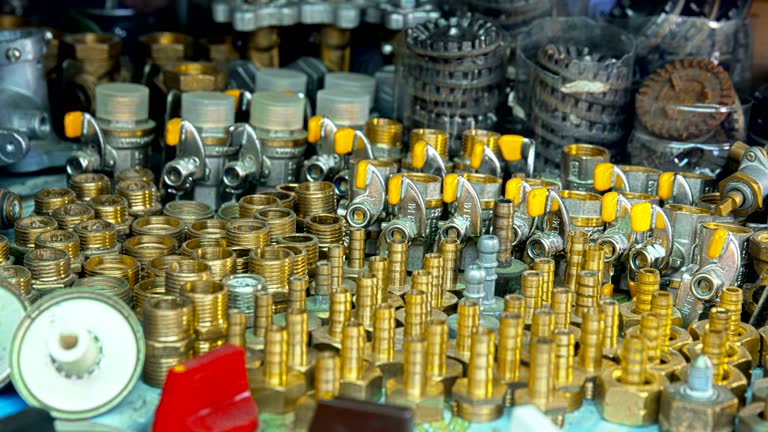
Air conditioning pipelines transport refrigerant and cooled air through building systems. These pipelines require reliable connectors to maintain stable pressure and prevent leakage. A brass air fitting for compressor hose provides strong sealing support in many environments. Brass resists corrosion and handles frequent temperature changes without structural damage. Many installations depend on brass because it offers long service life. Air conditioning networks often combine metal tubes, flexible hoses, and threaded joints, so stability becomes vital. A brass air fitting for compressor hose supports accurate airflow within compressor stages. It also prevents reduction in cooling efficiency by minimizing air loss. Users find brass connectors easy to clean and simple to tighten. This article explains common problems, industries, installation, comparison, news trends, and an overall conclusion regarding air conditioning pipelines.
2. Frequently Asked Questions (FAQ)
Q1: Can this fitting work in high humidity environments?
Yes, a brass air fitting for compressor hose resists moisture and prevents oxidation. Technicians still perform periodic cleaning to maintain efficiency.
Q2: Does vibration affect sealing performance?
Vibration can loosen improper connections. Users must tighten threads evenly and inspect fittings during maintenance schedules.
Q3: What causes leaks in pipelines?
Common leaks come from worn O-rings, misaligned connectors, or old hoses. A brass air fitting for compressor hose reduces leak probability by offering firm sealing performance.
Q4: Can beginners install these fittings?
Beginners can install them with basic training. They check thread direction, apply Teflon tape, avoid overtightening, and verify pressure ratings.
Q5: Do temperature swings damage fittings?
Brass withstands both cold and heat. A brass air fitting for compressor hose keeps shape under frequent cycle changes, unlike weaker plastic connectors.
3. Applications in Different Industries
Air conditioning pipelines appear in many industries because climate control supports comfort and safety. Large commercial buildings use them to maintain balanced indoor temperatures. Data centers rely on steady cooling to prevent hardware overheating. Factories use air conditioning networks to control dust and humidity. Transportation hubs include ventilation ducts for passenger comfort. Hotels use these pipelines to provide each room with adjustable cooling. Healthcare facilities maintain critical air conditions for laboratories and medical storage. A brass air fitting for compressor hose assists maintenance teams by offering secure connections between compressor stations and service hoses. Residential homes also upgrade old systems using these reliable components. Growing cities increase demand for strong and efficient pipeline parts.
Big Wholesale Event Announcement:
Our warehouse now offers a bulk purchase promotion for pipeline parts, including the brass air fitting for compressor hose. Contractors and industrial buyers receive large discounts on multi-box orders. Visit our location at 3561 Hillside Street, Mesa, Arizona to check stock, compare sizes, and arrange quick pickup. Customers reduce long-term maintenance cost through this special activity.
4. Installation Considerations
Before installation, users measure hose diameter, thread count, and pressure rating. Surface debris must be removed from hose ends to ensure clear sealing contact. Teflon tape is wrapped clockwise to match thread rotation. Installers use a proper wrench to tighten a brass air fitting for compressor hose without stripping threads. Excessive force may crack edges or deform brass. Installers protect pipelines from impact damage by supporting hoses along walls or ceilings. Vibrating compressor platforms receive rubber pads to reduce shaking. Workers wear gloves and goggles to avoid metal burr injuries. After installation, users run a pressure test to verify leak-free airflow. Regular maintenance schedules include inspection of O-rings, thread wear, and hose stiffness.
5. Comparison with Other Pipe Materials
Air conditioning pipelines commonly use copper tubes, aluminum tubes, and flexible hoses. Compared with aluminum, copper offers better resistance to corrosion. Aluminum costs less, but its threads may wear quickly. Rubber hoses provide flexibility but degrade under heat. A brass air fitting for compressor hose balances cost and durability. Brass supports repeated tightening without deforming threads. Plastic connectors weigh less but cannot maintain high pressure in refrigeration systems. Steel connectors offer strong mechanical strength but corrode faster in moisture. In cold environments, brass remains stable and easy to remove when required. This makes brass suitable for service technicians who frequently adjust air conditioning pipeline layouts.
6. Construction Industry News
Recent construction reports show rapid growth in green building technology. Many new structures adopt energy-efficient air conditioning systems with improved airflow control. Government policies encourage leak-free refrigeration pipelines to lower emissions. Many contractors choose fittings that reduce pressure loss for better cooling performance. A brass air fitting for compressor hose supports strict sealing tolerance rules and aligns with many building codes. New manufacturing machines improve thread accuracy and reduce defective rates. Smart pipeline sensors monitor refrigerant pressure and send alerts to facility managers. Modular buildings use quick connector designs to reduce construction time. Commercial centers request stronger temperature management due to increased visitor density.
7. Conclusion
Air conditioning pipelines remain essential to comfort, safety, and productivity across many industries. Reliability depends heavily on connector structure and thread accuracy. A brass air fitting for compressor hose provides corrosion resistance, pressure tolerance, and stable sealing. It suits high humidity and vibration conditions found in compressor rooms. Installation requires proper tools, sealing tape, and thread inspection. Brass performs better than plastic, rubber, and uncoated steel in most environments. Construction industry growth continues to increase demand for durable fittings. Buyers who choose brass reduce long-term repair frequency and energy loss. Technicians gain confidence by using strong connections that maintain consistent airflow. Industrial customers can find bulk stock at the Mesa location for large project support. This makes brass a wise choice for modern air conditioning pipeline development.
Your Global Partner for Plastic Piping Solutions
As a leading Chinese manufacturer of plastic pipes, valves, and fittings, IFAN offers customized production and comprehensive services to meet all your piping needs. With distributors worldwide and a commitment to quality, we provide reliable one-stop solutions. Contact us at [email protected] or WhatsApp: +86 19857948982. Partner with IFAN for innovative piping solutions!