Choosing PPR Pipes
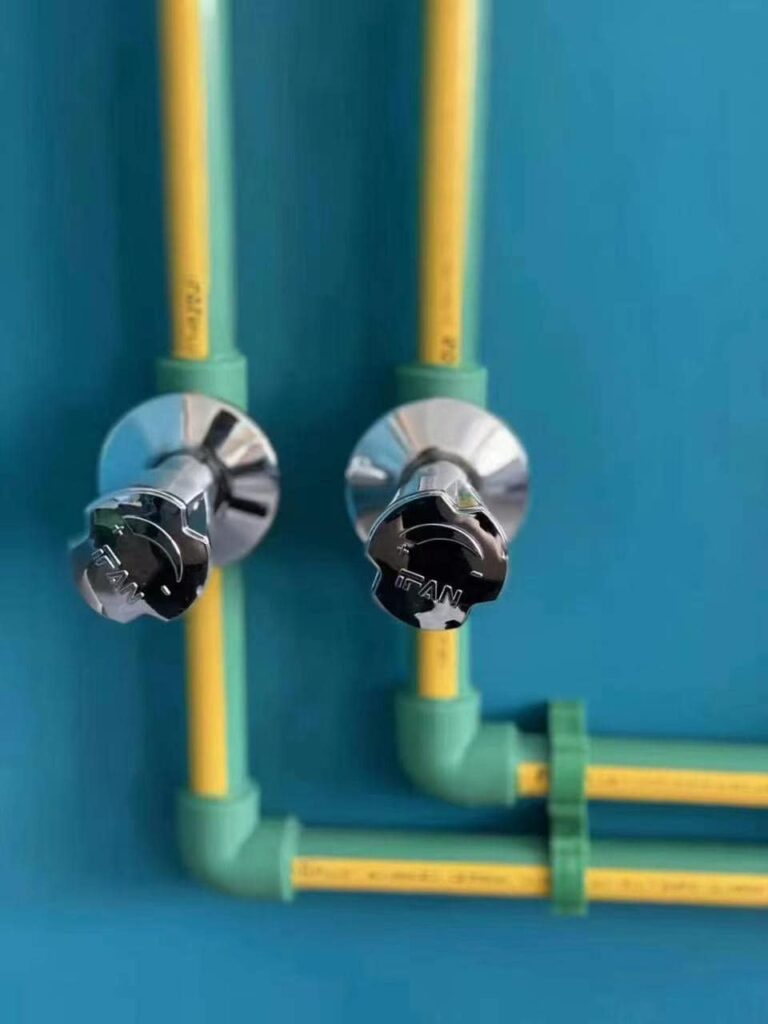
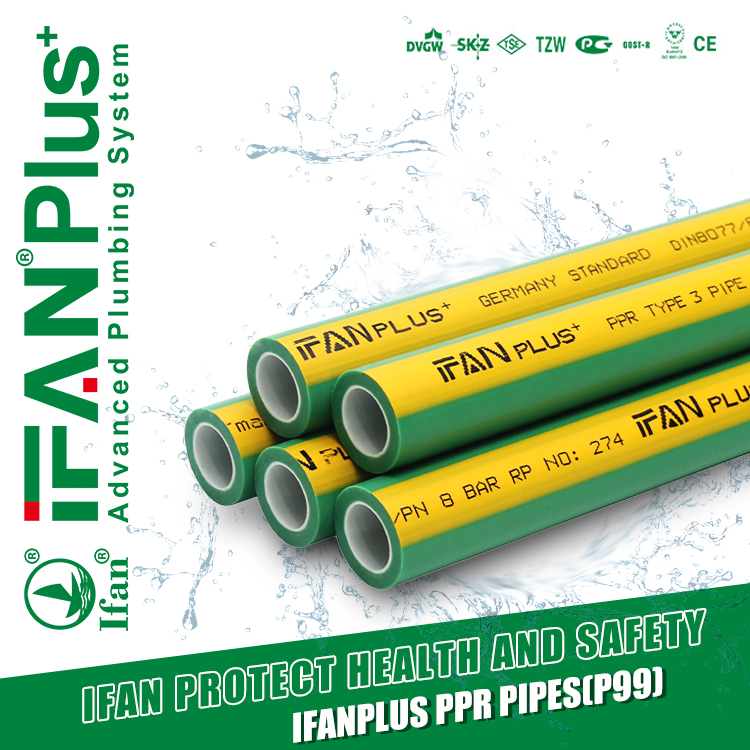
Selecting the right PPR (polypropylene random copolymer) pipes ensures reliable performance in plumbing, heating, and industrial systems. PPR pipes offer corrosion resistance, thermal stability, and long service life, but their suitability depends on material quality, application requirements, and installation conditions. Follow these guidelines to choose the best PPR pipes for your project.
1. Verify Material Grade
PPR pipe come in different grades (PPR 80, PPR 100) based on their pressure-bearing capacity and temperature resistance. PPR 80 pipes handle standard residential applications (cold and hot water up to 70°C/158°F), while PPR 100 pipes withstand higher pressures and temperatures (up to 95°C/203°F), making them ideal for industrial systems or solar heating. Always check the manufacturer’s technical datasheet for the pipe’s pressure-temperature curve to confirm compatibility with your system’s demands.
2. Select Pipe Dimensions
Choose pipe diameters (e.g., 20mm, 25mm, 32mm) based on flow rate requirements and system pressure. Larger diameters reduce water velocity and friction loss in main supply lines, while smaller diameters suit branch lines. Match the pipe’s outer diameter and wall thickness to the PN (pressure nominal) rating (e.g., PN 10, PN 16, PN 20). For example, PN 20 pipes have thicker walls and support higher pressures (up to 20 bar at 20°C). Use the SDR (standard dimension ratio) to validate wall thickness consistency.
3. Prioritize Certifications
Look for international certifications such as ISO 15874, ASTM F2389, or NSF/ANSI 61 to ensure the pipes meet safety and performance standards. These certifications confirm the material is free from harmful additives (e.g., lead, cadmium) and suitable for potable water. For heating systems, verify that the pipes comply with DIN 8077/8078 standards for thermal endurance.
4. Evaluate Temperature and Pressure Tolerance
PPR pipes degrade over time when exposed to high temperatures. For continuous hot water systems (e.g., central heating), choose pipes with a CTI (critical temperature index) above 110°C. Check the manufacturer’s stated service life at your system’s operating temperature—high-quality PPR pipes should last 50+ years at 70°C. Avoid using standard PPR pipes in applications exceeding 95°C, as they may soften and deform.
5. Assess Chemical Resistance
PPR resists most acids, alkalis, and salts, but aggressive chemicals (e.g., concentrated sulfuric acid, chlorinated solvents) can weaken the material. For industrial wastewater or chemical transport, confirm the pipe’s chemical compatibility using the manufacturer’s resistance charts. Opt for stabilized PPR pipes with UV inhibitors if installing outdoors, as prolonged sunlight exposure can cause brittleness.
6. Choose Between Homopolymer and Composite Pipes
Standard homopolymer PPR pipe suit most residential uses. For enhanced durability, consider composite PPR pipes with fiberglass (PPR-FG) or aluminum (PPR-AL-PPR) layers. These reduce linear thermal expansion by up to 70%, minimizing pipe sagging in high-temperature environments. Composite pipes also dampen water hammer noise, ideal for high-rise buildings.
7. Check Fitting Compatibility
Ensure pipes and fittings (elbows, tees, couplings) come from the same manufacturer to guarantee dimensional consistency and weld quality. Mismatched fittings create weak joints prone to leaks. For DIY projects, use push-fit or mechanical fittings if fusion welding equipment is unavailable, but note that welded joints offer superior longevity.
Key Recommendations
- For underfloor heating, use PPR-AL-PPR pipes with low thermal expansion.
- In earthquake-prone areas, pair PPR pipes with flexible抗震 joints to absorb vibrations.
- Always conduct a pressure test post-installation to validate joint integrity.
By prioritizing certified materials, precise sizing, and application-specific features, you ensure a leak-free, efficient PPR piping system. Always cross-reference manufacturer guidelines with local building codes to meet safety and regulatory requirements.
✅ Quality Assurance
🔥 High-Temperature Resilience
🛡 Reliable Sealing
🌿 Eco-Friendly Safety
🏢 Diverse Sizes
🌍 Wide Applications
📞 Contact us to learn more about IFANPlus PPR Pipes. Elevate your engineering projects with unparalleled performance!
👉 [Contact Information]IFAN factory 30+ years manufacture experience support color/size customization support free sample.Welcome to consult for catalog and free samples. :: +
For more information,pls visit our webside https://www.waterpipefactory.com/
Pls Mailto: [email protected]
Whatsapp: + 86 19857948982