
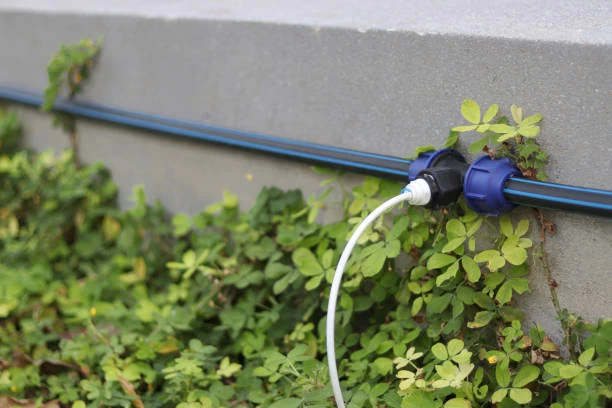
HDPE (High-Density Polyethylene) pipes have gained popularity in various industries due to their exceptional strength, durability, and resistance to corrosion. The 2-inch size, commonly used for water supply, drainage systems, and gas distribution, offers a versatile solution for both residential and industrial applications. When considering the cost of HDPE pipes, particularly the 2-inch variety, several factors influence the price per meter. Understanding these elements helps buyers make informed decisions while ensuring the most cost-effective solution for their projects.
Material Quality and Grade
The quality of the HDPE material significantly impacts the price of a 2-inch pipe. HDPE pipes are available in different grades, including PE63, PE80, and PE100. PE100 is the highest grade and offers the best resistance to pressure and chemicals, making it more expensive than the lower-grade options. For applications requiring higher pressure ratings, such as industrial pipelines or gas distribution systems, opting for PE100 might be necessary, which will increase the price per meter. Understanding the material grade ensures that the right pipe is chosen for the specific application.
Pipe Pressure Rating
The pressure rating of an HDPE pipe is a critical factor in determining its price. HDPE pipes come in various pressure classes, such as PN6, PN10, and PN16, with PN16 representing the highest pressure resistance. Higher pressure ratings require thicker walls and additional processing during manufacturing, which raises the cost. Therefore, the pressure requirements of the project will influence the choice of pipe and its price per meter. For residential water systems, lower pressure-rated pipes are sufficient, but for industrial or high-pressure applications, investing in higher-rated pipes may be necessary, thus affecting the overall cost.
Manufacturing Process and Production Scale
The manufacturing process of HDPE pipes varies based on the scale of production and the methods used. Pipes produced through extrusion tend to be more affordable due to the mass production process, while custom-manufactured pipes with specific dimensions or features may come at a higher price. The scale of production also plays a role, as large-scale manufacturers can offer lower prices due to economies of scale, while smaller manufacturers may have higher production costs that result in slightly higher pipe prices. Therefore, selecting a supplier based on their production capabilities can influence the price of the 2-inch HDPE pipe.
Pipe Length and Bulk Purchases
The length of the HDPE pipe purchased can influence the price per meter. Longer lengths generally result in a lower price per meter compared to purchasing shorter lengths. This is because the cost of handling, packaging, and transportation is spread across a greater length of pipe, reducing the overall cost. Additionally, buying in bulk tends to offer discounts, making large orders more cost-effective. For large projects requiring significant quantities of pipe, bulk purchasing can be an excellent way to reduce costs and secure a more competitive price per meter.
Geographic Location and Supply Chain
Geographic location plays a significant role in the pricing of HDPE pipes. In regions where HDPE pipes are manufactured locally, prices tend to be lower due to reduced shipping and transportation costs. Conversely, in areas where the pipes need to be imported, transportation and import duties add to the final cost. Additionally, regional factors, such as local demand, supply chain issues, and market competition, can impact the price per meter. Understanding the local supply chain and the availability of suppliers can help businesses and homeowners find the best price for the 2-inch HDPE pipe.
Certification and Compliance Standards
HDPE pipes used for specific applications, such as potable water systems or gas distribution, must meet certain certification and compliance standards. Pipes that adhere to international standards such as ISO, ASTM, or local certification bodies often come at a higher price due to the rigorous testing and quality assurance required. For example, HDPE pipes for potable water need to comply with NSF/ANSI 61, while pipes used for gas transport may need to meet stricter safety standards. Pipes that meet these certifications may carry a premium price but offer additional peace of mind regarding quality and safety.
Supplier Reputation and Warranty
The reputation of the supplier can influence the price of HDPE pipes. Established suppliers with a strong track record of reliability and quality assurance may charge slightly higher prices for their products, but they often offer added value in terms of customer service, product guarantees, and support. In addition to the price of the pipe itself, buyers should also consider the warranty or guarantee offered by the supplier. A longer warranty period and robust customer service can be invaluable, especially for large-scale projects or critical installations, justifying a higher upfront cost.
Long-Term Value and Cost of Maintenance
While the initial price of a 2-inch HDPE pipe per meter is an important consideration, it’s also crucial to evaluate the long-term value of the pipe. HDPE pipes are known for their durability and resistance to corrosion, which reduces the need for frequent replacements or maintenance. Over time, the cost of maintaining and replacing pipes made from less durable materials can exceed the initial savings on cheaper pipes. By investing in high-quality HDPE pipes, buyers can reduce future maintenance costs and extend the lifespan of their systems, offering better value in the long run.
Conclusión
The price of a 2-inch HDPE pipe per meter varies based on several factors, including material quality, pressure rating, manufacturing process, and geographic location. By understanding these factors, buyers can make informed decisions that align with their specific needs and budget. It’s important to weigh the upfront costs against long-term benefits, such as durability, low maintenance, and the ability to withstand harsh conditions. Ultimately, choosing the right HDPE pipe involves considering both immediate project requirements and the overall value over time, ensuring that the investment provides the best performance and cost-efficiency for the intended application.
Conectar
IFAN es un fabricante chino de tubos de plástico, fittings and valves with 30 years of experience. If you are interest in IFAN copper fittings, copper valves, plastic pipes and fittings, please contact us. IFAN offers you a variety of standard pipes to meet your specific needs. Click below to learn more about IFAN’s wide range of affordable and cost-effective valve products and piping system related products.
Responderemos su correo electrónico o fax dentro de las 24 horas.
Puede llamarnos en cualquier momento si tiene alguna pregunta sobre nuestra producción.
Para obtener más información, visite nuestro sitio web. https://www.waterpipefactory.com/
Por favor envíelo a: [email protected]
WhatsApp: +86 152 1588 7738