
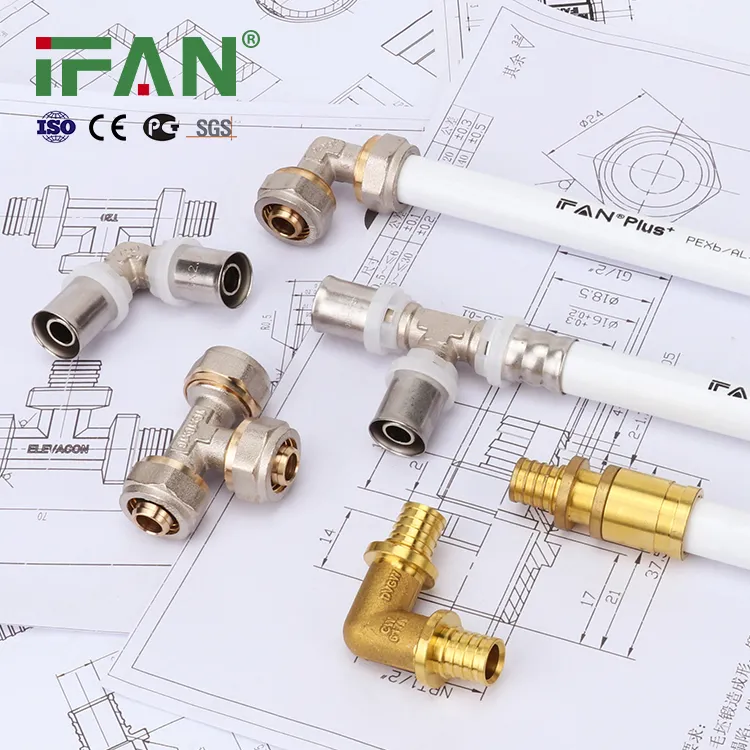
As our living standards improve, so does our concern for health. The water we drink and the food we eat are intimately connected to our plumbing systems. And at the heart of these systems are accesorios de tubería, whose materials directly affect our health. This article delves into the impact of different pipe fitting materials on our health, providing recommendations to help you create a healthy and safe home environment.
Plastic Pipe Fittings: Convenient but with Hidden Dangers
Plastic pipe fittings are widely used in home renovations due to their low cost and easy installation. However, they come with their own set of drawbacks.
- Release of Harmful Substances: When exposed to high temperatures or prolonged use, plastic pipe fittings can release harmful substances such as bisphenol A (BPA), which can disrupt the endocrine system and increase the risk of cancer.
- Poor Corrosion Resistance: Some plastic pipe fittings can react chemically with strong acids or bases, leading to water contamination.
- Poor Heat Resistance: Plastic pipe fittings have poor heat resistance and are not suitable for hot water pipes. High temperatures can accelerate the release of harmful substances.
Metal Pipe Fittings: Safe, Reliable, and Durable
Compared to plastic pipe fittings, metal pipe fittings offer better corrosion resistance, heat resistance, and are less likely to release harmful substances.
- Stainless Steel Pipe Fittings: Stainless steel pipe fittings are one of the most popular choices due to their excellent corrosion resistance, heat resistance, and hygiene. They are safe for direct contact with drinking water.
- Copper Pipe Fittings: Copper pipe fittings have good thermal conductivity and are often used in hot water systems. Copper ions have a certain antibacterial effect, effectively inhibiting bacterial growth.
- Cast Iron Pipe Fittings: Cast iron pipe fittings have strong pressure resistance but are heavier and more difficult to install.
Case Study: A Drinking Water Contamination Incident in a Residential Complex
In 2018, residents of a residential complex reported a strange odor in their tap water. Tests revealed high levels of heavy metals in the water. Investigation revealed that the plastic water pipes in the complex had released harmful substances over time, leading to water contamination. This incident serves as a stark reminder of the importance of choosing high-quality pipe materials.
How to Choose the Right Pipe Fitting Material
- Drinking Water Pipes: Stainless steel or copper pipes are recommended. These materials are safe and reliable, and do not easily breed bacteria.
- Hot Water Pipes: Stainless steel or copper pipes are suitable. Copper pipes have good thermal conductivity and can heat water faster.
- Drainage Pipes: PVC or cast iron pipes can be used. PVC pipes are less expensive, while cast iron pipes are more corrosion resistant.
The choice of pipe fitting material may seem like a small matter, but it has a significant impact on our health. When purchasing pipe fittings, be sure to choose high-quality products from reputable manufacturers and consult with professionals. Only then can we ensure the safety of our household water and create a healthy and comfortable living environment.
Welcome to consult any pipe fittings related knowledge: https://www.waterpipefactory.com/
EMAIL:[email protected]