
Introducción
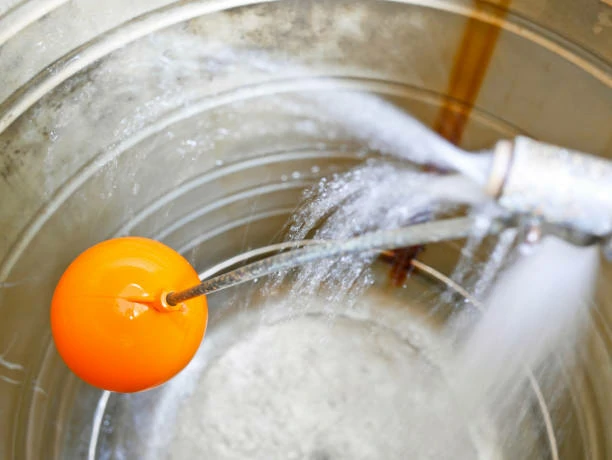
Float valve, also known as float-operated valves, are essential devices used in various industries to automatically regulate the flow of liquids. Their primary function is to maintain a constant liquid level within a tank or reservoir, ensuring efficient operation and preventing overflows or dry runs.
Mechanism of Operation
At the heart of a float valve lies a buoyant float that rises and falls with the changing liquid level. Attached to this float is a lever or rod, which connects to the valve mechanism. As the float rises due to an increase in liquid level, it activates the valve to close, preventing further inflow. Conversely, when the level drops, the float descends, opening the valve to allow more liquid to enter.
Types of Float Valves
There are several types of float valves, each suited for specific applications. Ball float valves, for instance, utilize a spherical float that moves vertically, while diaphragm float valves employ a flexible diaphragm to control flow. Pin-lever float valves, on the other hand, feature a pin-lever system for precise level control. The choice depends on factors like fluid properties, operating pressure, and required accuracy.
Aplicaciones en todas las industrias
Float valve find widespread use in numerous industries. In water treatment plants, they maintain water levels in clarifiers and sedimentation tanks. In septic systems, they prevent sewage backups by regulating tank levels. In the petrochemical sector, they ensure safe and efficient storage of flammable liquids. Even in household applications like toilet cisterns and water heaters, float valves play a crucial role in maintaining water levels.
Advantages of Float Valves
One significant advantage of float valves is their automation, eliminating the need for constant manual monitoring. They are also relatively simple in design, making them easy to install and maintain. Moreover, float valves offer high accuracy in maintaining liquid levels, reducing waste and ensuring system stability. Additionally, they can be customized to suit specific requirements, enhancing their versatility.
Desafíos y limitaciones
While float valves are highly effective, they do face certain challenges. Corrosion from aggressive fluids can affect their longevity. Debris or sediment accumulation can hinder the float’s movement, causing malfunctions. Furthermore, extreme temperature fluctuations can affect the buoyancy of the float, impacting its performance. Regular maintenance and cleaning are essential to mitigate these issues.
Mantenimiento y solución de problemas
Regular maintenance of float valves necessitates a thorough check, starting with examining for leaks, which can significantly affect system performance. Subsequently, the float and valve seat should be meticulously cleaned to ensure smooth operation and prevent blockages. Furthermore, verifying the proper movement of the float is crucial to maintain accuracy in liquid level control. Should the valve fail to respond as intended, either failing to close or open adequately, a series of troubleshooting steps must be undertaken. Firstly, verifying the float’s buoyancy is essential to ascertain its functionality. Secondly, checking for any obstructions that might hinder its operation is paramount. Lastly, adjusting the valve’s setpoint may be necessary to restore its intended behavior. In instances where these measures prove ineffective, the replacement of worn-out parts or, in extreme cases, the entire valve, may become necessary to ensure continued reliable performance.
Future Developments
With advancements in technology, float valve are becoming more intelligent and efficient. Smart float valves, integrated with sensors and IoT capabilities, can remotely monitor and adjust liquid levels, enhancing operational efficiency. Materials science is also enabling the development of more corrosion-resistant valves, suitable for harsh environments. As industries continue to evolve, float valves will play an increasingly critical role in ensuring the smooth functioning of fluid control systems.
Conclusión
In conclusion, float valves are indispensable components in fluid control systems, ensuring precise and automated regulation of liquid levels. Their versatility, accuracy, and ease of maintenance make them a popular choice across various industries. As technology progresses, we can expect even more advanced float valve designs, further enhancing their reliability and efficiency in maintaining optimal liquid levels.
Conectar
IFAN es un fabricante chino de tuberías, accesorios y válvulas de plástico con 30 años de experiencia. Si le interesa... IFAN Accesorios de cobre, válvulas de cobre, tuberías y accesorios de plástico, contáctenos. IFAN offers you a variety of standard pipes to meet your specific needs. Click below to learn more about IFAN’s wide range of affordable and cost-effective valve products and piping system related products.
Responderemos su correo electrónico o fax dentro de las 24 horas.
Puede llamarnos en cualquier momento si tiene alguna pregunta sobre nuestra producción.
Para obtener más información, visite nuestro sitio web. https://www.waterpipefactory.com/
Por favor envíelo a: [email protected]
WhatsApp: +86 19857948982