
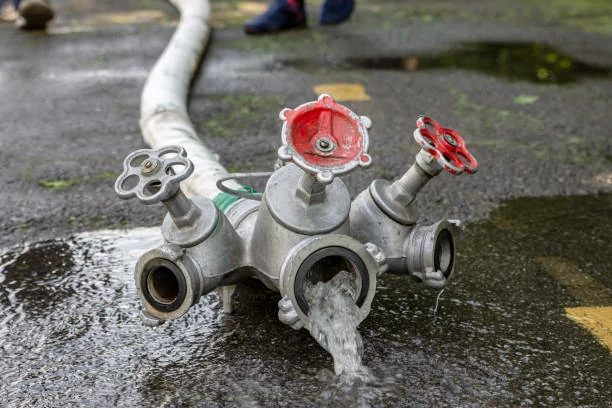
3-way valves control fluid flow between three ports, allowing for diversion, mixing, or shut-off functions. These valves are essential in both industrial and household systems, where they improve efficiency and optimize fluid control. Their versatility makes them valuable in heating, cooling, chemical processing, and irrigation applications. Choosing the right 3-way valve ensures reliability, enhances system performance, and prevents operational issues.
These valves come in various designs, including L-port and T-port configurations, each suited for specific applications. L-port valves direct fluid between two different outlets, while T-port valves allow fluid to mix or flow in multiple directions. The choice of valve depends on the system’s operational needs, pressure requirements, and fluid type. For example, in an HVAC system, a 3-way valve regulates the distribution of chilled or hot water to maintain indoor comfort. Similarly, in industrial processes, these valves help manage chemical flow efficiently, reducing waste and enhancing productivity. Proper selection and maintenance of 3-way valves lead to longer system lifespans, lower operational costs, and improved safety across various industries and household applications.
1. Understanding the Function of 3-Way Valves
3-way valves regulate fluid flow by directing it between three different ports. These valves operate in two main configurations: diverter and mixing. Diverter valves direct fluid from one source to two different outlets. Mixing valves combine fluids from two inlets into a single outlet. For example, in a heating system, a 3-way mixing valve blends hot and cold water to maintain the desired temperature. Understanding these configurations helps users select the right valve for their application.
2. Industrial Applications of 3-Way Valves
Industries rely on 3-way valves for precise fluid control. In chemical processing, these valves mix or divert chemicals without manual adjustments. In cooling systems, they regulate refrigerant distribution to maintain optimal temperature levels. Power plants use 3-way valves in steam systems to direct flow between different pipelines. For instance, a food processing plant may use a 3-way valve to switch between different liquid ingredients without stopping production. These applications demonstrate the importance of 3-way valves in industrial operations.
3. Household Uses of 3-Way Valves
3-way valves enhance efficiency in household plumbing and heating systems. In hydronic heating, these valves control hot water distribution to different zones. Water filtration systems use 3-way valves to switch between filtered and unfiltered water sources. In irrigation, a 3-way valve directs water to multiple garden sections without needing separate shut-off valve. For example, a homeowner may install a 3-way valve to switch between a garden hose and an automatic sprinkler system. These applications improve convenience and water management in residential settings.
4. Key Factors in Selecting a 3-Way Valve
Choosing the right 3-way valve requires consideration of several factors. Material selection is crucial, as different environments require valves made of brass, stainless steel, or PVC. Pressure and temperature ratings must match system requirements to prevent failures. Flow capacity determines whether the valve can handle the intended volume without restriction. For example, an industrial cooling system may require a high-pressure stainless steel 3-way valve, while a home irrigation system may function well with a PVC model. Proper selection ensures long-term reliability and efficiency.
5. Common Maintenance and Troubleshooting Practices
Regular maintenance extends the lifespan of 3-way valves. Periodic inspections detect leaks, corrosion, or blockages that may affect performance. Cleaning prevents sediment buildup that could restrict fluid flow. Lubricating moving parts ensures smooth operation and reduces wear. If a valve fails to switch between ports, checking for debris or worn seals can resolve the issue. For example, in a steam heating system, technicians routinely inspect 3-way valves to prevent leaks and ensure efficient heat distribution. Preventive maintenance reduces downtime and avoids costly repairs.
6. Technological Advancements in 3-Way Valves
New technologies improve the performance of 3-way valves. Smart valves equipped with sensors enable remote monitoring and automated adjustments based on real-time data. Advanced sealing materials enhance durability and reduce maintenance needs. Digital control systems allow for precise flow regulation in industrial applications. For example, automated 3-way valve in chemical plants adjust flow rates dynamically, optimizing production efficiency. As technology evolves, modern 3-way valve continue to offer improved reliability and control across various applications.
In conclusion, 3-way valves provide essential flow control solutions in both industrial and household systems. Their ability to divert and mix fluids makes them indispensable in many applications. Understanding their functions, selecting the right materials, and performing regular maintenance ensures long-term efficiency. With advancements in technology, 3-way valves continue to evolve, offering better performance and automation capabilities. By choosing high-quality 3-way valves and following best practices, users can optimize their systems for enhanced efficiency and reliability.
Normas internacionales para válvulas de bola de latón
Las válvulas de bola de latón se utilizan ampliamente en diversas aplicaciones de control de fluidos gracias a su durabilidad, fiabilidad y alta resistencia a la corrosión. Para garantizar que estas válvulas cumplan con los requisitos de seguridad y rendimiento necesarios, se diseñan conforme a numerosas normas internacionales. Por ejemplo, la norma ASTM 2846 describe las especificaciones para válvulas de bola termoplásticas, mientras que la norma DIN 8079/8080 se centra en la compatibilidad con tuberías de polietileno y polipropileno. Además, normas como ASTM F441/F441M SCH80 y AS/NZS 1477 garantizan la eficacia de las válvulas en sistemas de tuberías de PVC. Al cumplir con estas estrictas normativas, las válvulas de bola de latón mantienen un rendimiento óptimo, lo que garantiza su idoneidad tanto para entornos residenciales como industriales, incluyendo sistemas de agua potable, con certificaciones como NSF/ANSI 14.
Conectar
IFAN es un fabricante chino de tubos de plástico, fittings and valves with 30 years of experience. If you are interest in IFAN copper fittings, copper valves, plastic pipes and fittings, please contact us. IFAN offers you a variety of standard pipes to meet your specific needs. Click below to learn more about IFAN’s wide range of affordable and cost-effective valve products and piping system related products.
Responderemos su correo electrónico o fax dentro de las 24 horas.
Puede llamarnos en cualquier momento si tiene alguna pregunta sobre nuestra producción.
Para obtener más información, visite nuestro sitio web. https://www.waterpipefactory.com/
Por favor envíelo a: [email protected]
WhatsApp: +86 152 1588 7738