
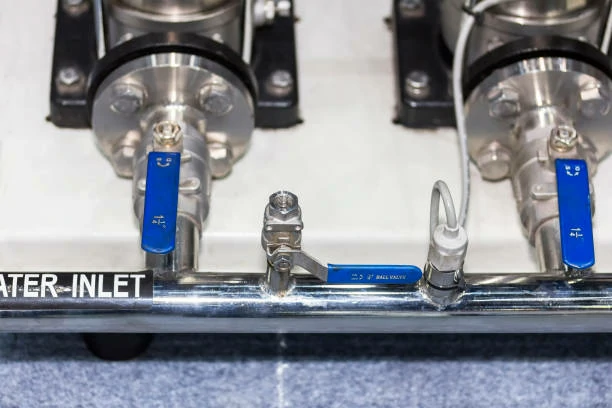
Introduction to Automatic Water Level Control Valves in Irrigation
Automatic water level control valves are essential in irrigation systems to regulate water levels, ensuring a stable and efficient supply. These valves operate by automatically adjusting the water flow in tanks, ponds, or reservoirs based on predefined water levels. This ensures the system’s smooth operation, reducing the need for constant manual intervention. By optimizing water usage, these valves play an essential role in agricultural practices, especially in areas facing water scarcity. They reduce waste by ensuring precise irrigation control, making them an essential part of sustainable water management. The adoption of automatic water level control valves ensures an eco-friendly and resource-efficient approach to irrigation.
How Automatic Water Level Control Valves Operate
The operation of automatic water level control valves is simple yet effective. A float mechanism installed in the valve detects the water level. When the water level decreases, the float drops, opening the valve and allowing water to flow in. As the water level rises, the float rises, which gradually closes the valve. This process ensures the water level remains constant and prevents both overflows and shortages. The automatic nature of the valve reduces the need for human involvement, providing a constant water supply without the risk of human error. These valves are highly effective for a range of irrigation methods, including drip, sprinkler, and surface irrigation.
Benefits of Automatic Water Level Control Valves
Automatic water level control valve come with several advantages that improve the efficiency of irrigation systems. First, they help conserve water by maintaining the optimal water level in tanks and reservoirs, preventing over-irrigation. This water-saving feature is crucial in drought-prone areas. Additionally, these valves significantly reduce labor costs since there is no need for manual water level monitoring. This automation improves system reliability and ensures consistent performance. By maintaining the correct water pressure, they also protect irrigation systems from damage, leading to better long-term system efficiency and healthier crops. Overall, the efficiency and cost-effectiveness of these valves make them indispensable in modern irrigation practices.
Applications in Various Irrigation Systems
Automatic water level control valve have versatile applications across different types of irrigation systems. In surface irrigation systems, these valves regulate the water flow, ensuring that the water is evenly distributed across large areas. In drip irrigation systems, where precise water delivery is necessary, the valve controls the water supply to individual plants, ensuring that each one receives the exact amount of water it needs. For sprinkler systems, the valve prevents over-irrigating or under-irrigating, optimizing water use for crops. Regardless of the system type, the ability to automatically control water levels makes these valves a key element in maximizing water efficiency and supporting crop growth.
Maintaining and Troubleshooting Water Level Control Valves
Proper maintenance of automatic water level control valve is crucial to ensure their long-term functionality. Regular inspections should be conducted to check for wear, corrosion, or clogs that might impede the valve’s operation. The float and seals should be cleaned frequently to prevent blockages, and the valve body should be checked for leaks that could affect water control. When issues arise, common problems such as a malfunctioning float, blocked valve mechanisms, or internal corrosion must be addressed quickly. Ensuring that these valves function properly helps minimize downtime and prevents water loss, keeping the irrigation system operating efficiently.
Role of Automatic Water Level Control Valve in Sustainable Agriculture
In sustainable agriculture, water conservation is a significant concern, and automatic water level control valves play an essential role in addressing this issue. These valves optimize water use by ensuring that water is only used when needed and in the right amount. Overwatering is prevented, which helps to protect soil health, preventing problems like erosion or root diseases. By ensuring precise water distribution, these valves also contribute to the protection of local water sources, making them a critical element in sustainable farming practices. Additionally, they enhance the overall efficiency of irrigation systems, which is vital in reducing the environmental impact of agricultural practices while maintaining high crop productivity.
Conclusion: Importance of Automatic Water Level Control Valves
Automatic water level control valves are vital components in modern irrigation systems. Their ability to regulate water flow automatically prevents over-irrigation, conserves water, and reduces operational costs. These valves help ensure that the right amount of water is delivered to crops at the right time, which is crucial for both crop health and sustainable water management. Their ease of use and low-maintenance nature make them a valuable investment for agricultural systems. In regions with limited water resources, these valves play an even more important role in protecting water supplies. With continued advancements in technology, automatic water level control valve will remain integral to the future of efficient irrigation practices.
Normas internacionales para válvulas de bola de latón
Las válvulas de bola de latón se utilizan ampliamente en diversas aplicaciones de control de fluidos gracias a su durabilidad, fiabilidad y alta resistencia a la corrosión. Para garantizar que estas válvulas cumplan con los requisitos de seguridad y rendimiento necesarios, se diseñan conforme a numerosas normas internacionales. Por ejemplo, la norma ASTM 2846 describe las especificaciones para válvulas de bola termoplásticas, mientras que la norma DIN 8079/8080 se centra en la compatibilidad con tuberías de polietileno y polipropileno. Además, normas como ASTM F441/F441M SCH80 y AS/NZS 1477 garantizan la eficacia de las válvulas en sistemas de tuberías de PVC. Al cumplir con estas estrictas normativas, las válvulas de bola de latón mantienen un rendimiento óptimo, lo que garantiza su idoneidad tanto para entornos residenciales como industriales, incluyendo sistemas de agua potable, con certificaciones como NSF/ANSI 14.
Conectar
IFAN es un fabricante chino de tubos de plástico, fittings and valves with 30 years of experience. If you are interest in IFAN copper fittings, copper valves, plastic pipes and fittings, please contact us. IFAN offers you a variety of standard pipes to meet your specific needs. Click below to learn more about IFAN’s wide range of affordable and cost-effective valve products and piping system related products.
Responderemos su correo electrónico o fax dentro de las 24 horas.
Puede llamarnos en cualquier momento si tiene alguna pregunta sobre nuestra producción.
Para obtener más información, visite nuestro sitio web. https://www.waterpipefactory.com/
Por favor envíelo a: [email protected]
WhatsApp: +86 152 1588 7738