
Why Flexibility Matters in Renewable Energy Sites
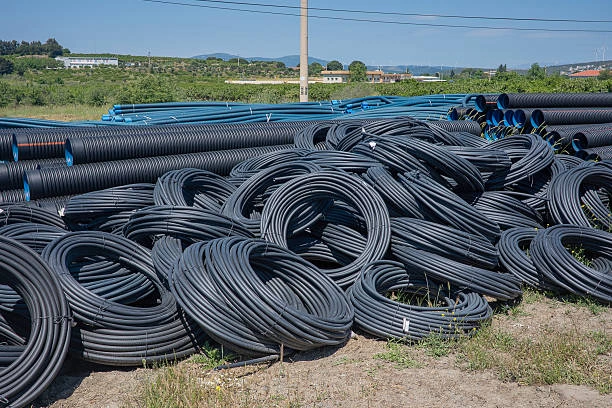
Renewable energy projects often take place in challenging and uneven locations. Hills, mountains, and rough terrain can make the installation of traditional rigid pipes difficult and costly. HDPE flexible pipes offer a significant advantage here because they can bend and adapt to the shape of the land without cracking or breaking. This flexibility is essential for reducing installation problems and preventing leaks caused by ground movements or shifting soil. Moreover, flexible pipes allow engineers to design more efficient layouts that follow natural land contours. As a result, construction becomes faster and less expensive, which is a big benefit for project budgets and timelines. In many cases, the use of HDPE flexible pipes eliminates the need for additional fittings or connectors, which also reduces potential weak points in the system.
Durability Under Extreme Conditions
Renewable energy sites face a variety of extreme weather conditions that can test the limits of materials used. For example, solar farms are exposed to intense sunlight and heat, while wind farms endure strong gusts and storms. Hydroelectric plants may experience constant moisture and pressure changes. HDPE flexible pipes excel in such conditions due to their high impact resistance and ability to withstand temperature fluctuations. Unlike brittle pipes that can crack or degrade over time, HDPE pipes maintain their strength and shape. This durability means fewer repairs are needed, and the infrastructure remains reliable even in harsh environments. For renewable energy systems, maintaining continuous operation is critical to meet energy production goals, and HDPE flexible pipes help ensure this reliability.
Corrosion Resistance for Harsh Environments
Many renewable energy projects require pipes to be buried underground or placed in environments where corrosion is a serious concern. Metal pipes tend to rust when exposed to moisture and chemicals in the soil, leading to leaks and failures. In contrast, HDPE flexible pipes are naturally resistant to corrosion because they are made from a plastic material that does not react with most chemicals or water. This corrosion resistance significantly extends the life of the piping system and reduces maintenance costs. Additionally, because HDPE pipes do not corrode, they do not contaminate the water or fluids they carry, making them a safer choice for sensitive applications such as irrigation or drinking water supply in renewable energy projects.
Lightweight Design Eases Transport and Installation
The logistics of transporting materials to renewable energy sites can be complex, especially when sites are located in remote or difficult-to-access areas. HDPE flexible pipes are much lighter than traditional metal or concrete pipes, which makes them easier to transport over long distances. This lightweight nature also simplifies handling on-site, as workers can carry, bend, and install the pipes with less effort and fewer tools. Faster installation reduces labor costs and minimizes disruption to the surrounding environment. Furthermore, because HDPE pipes are flexible, they require fewer joints and connections, which means fewer potential leak points and less time spent on sealing. Overall, the lightweight and flexible design of HDPE pipes streamlines project workflows from delivery to final installation.
Environmental Benefits of HDPE Flexible Pipes
Sustainability is a core principle of renewable energy projects, and the choice of materials plays a crucial role in achieving green goals. HDPE flexible pipes contribute positively to environmental sustainability in several ways. First, they are made from recyclable high-density polyethylene, which can be reused at the end of the pipe’s life cycle. Second, the manufacturing process produces less waste and consumes less energy compared to metal pipes. Third, the pipes’ durability means they last longer and do not need frequent replacement, reducing overall resource consumption. By choosing HDPE flexible pipes, renewable energy projects reduce their carbon footprint and align with global efforts to minimize environmental impact. This eco-friendly aspect makes HDPE pipes not just a practical choice, but also a responsible one.
Eficiencia de costos a lo largo del tiempo
While the upfront cost of HDPE flexible pipes might be similar to or slightly higher than traditional piping options, their long-term economic benefits make them highly cost-effective. Due to their resistance to corrosion, durability, and low maintenance needs, these pipes help avoid expensive repairs and replacements. Reduced downtime caused by leaks or pipe failures means renewable energy systems can operate more consistently, improving energy output and project returns. Additionally, the faster installation enabled by flexible pipes cuts labor expenses and speeds up project timelines. When considered over the entire lifecycle, HDPE flexible pipes offer a lower total cost of ownership, making them a smart financial choice for renewable energy developers focused on sustainability and efficiency.
Versatility in Various Renewable Energy Applications
HDPE flexible pipes are extremely versatile and can be used across many types of renewable energy projects. In hydroelectric power plants, they transport water to turbines efficiently. Solar thermal systems use these pipes to circulate heat transfer fluids without risk of damage from high temperatures or UV exposure. Wind farms utilize them for cooling and other fluid transport needs, often over rough terrain. This adaptability simplifies system design and reduces the need for multiple pipe types or complex fittings. Engineers and planners value HDPE flexible pipes for their ability to meet diverse requirements while maintaining high performance. This versatility makes HDPE pipes a universal solution in the renewable energy sector.
Conclusion: HDPE Flexible Pipes Drive Sustainable Energy Success
In conclusion, HDPE flexible pipes offer multiple advantages that are essential for the success of renewable energy projects. Their flexibility enables easy installation in difficult terrains, while their durability and corrosion resistance ensure long-lasting operation in harsh environments. The lightweight design reduces transportation and labor challenges, and the environmental benefits align with sustainability goals. Moreover, their cost efficiency over time and versatility across applications make HDPE flexible pipes an excellent investment. As the world shifts toward cleaner energy, these pipes will continue to play a critical role in building reliable, eco-friendly infrastructure that supports a sustainable future.
Normas internacionales IFAN
Para satisfacer las demandas globales de calidad, Tuberías de HDPE IFAN seguir una amplia gama de estándares internacionales, como ASTM D3035, ISO 4427, EN 12201, y GB/T 13663Estas normas definen la resistencia, durabilidad y seguridad de la tubería. Además, IFAN cumple con... DIN 8074/8075, Norma AS/NZS 4130, JIS K6760, BS 6572, y CSA B137.1, lo que hace que sus productos sean aptos para sistemas de agua, gas e industriales en todo el mundo. Dado que IFAN cumple con todas estas certificaciones de confianza, los usuarios pueden elegir IFAN con confianza para un rendimiento fiable en cualquier entorno.
Conectar
IFAN es un fabricante chino de tuberías, accesorios y válvulas de plástico con 30 años de experiencia. Si le interesan los accesorios, válvulas de cobre, tuberías y accesorios de plástico de IFAN, contáctenos. IFAN le ofrece una variedad de tuberías estándar para satisfacer sus necesidades específicas. Haga clic a continuación para obtener más información sobre la amplia gama de válvulas y sistemas de tuberías de IFAN, asequibles y rentables.
Responderemos su correo electrónico o fax dentro de las 24 horas.
Puede llamarnos en cualquier momento si tiene alguna pregunta sobre nuestra producción.
Para obtener más información, visite nuestro sitio web. https://www.waterpipefactory.com/
Por favor envíelo a: [email protected]
WhatsApp: +86 152 1588 7738