
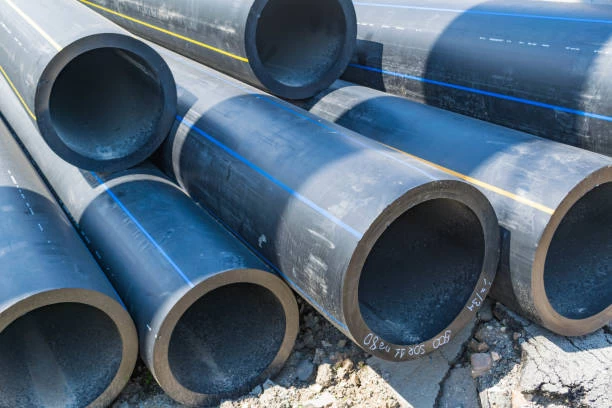
PE (Polyethylene) couplings play a crucial role in modern piping systems, offering secure, durable connections for various industries, from water distribution to gas pipelines. These couplings are known for their flexibility, resistance to corrosion, and ability to handle a wide range of environmental conditions. However, to maximize their lifespan and ensure reliable performance, proper daily maintenance is essential. This article provides a comprehensive guide on how to maintain raccords PE, focusing on best practices, preventative measures, and common troubleshooting techniques.
Regular Visual Inspections
A simple but essential step in daily maintenance involves performing regular visual inspections of PE couplings. Inspecting couplings for visible damage such as cracks, deformities, or signs of wear helps identify potential issues before they escalate. Pay special attention to areas where the coupling meets the pipe, as these connections are more prone to stress and damage. Checking for any signs of leakage around the coupling is also vital. Any unusual moisture or fluid leakage can indicate a faulty seal or improper installation, which needs immediate attention.
Ensure Proper Torque Settings
PE couplings typically rely on mechanical tightening to secure the connection between pipes. Over-tightening or under-tightening the coupling can lead to compromised seals, leading to leaks or a weak connection. Ensure that the proper torque settings are applied during installation and regular maintenance. Use a calibrated torque wrench to check that the bolts are tightened to the manufacturer’s recommended specifications. Avoid excessive force, as this can deform the coupling and potentially cause permanent damage. Regularly check torque settings to maintain the integrity of the system.
Monitor Environmental Conditions
The performance of PE couplings can be significantly affected by external environmental factors, such as temperature fluctuations, humidity, and UV exposure. Extreme temperatures can cause the coupling material to expand or contract, potentially leading to weak joints or seal failures. In areas with high UV exposure, consider using couplings that feature UV-resistant coatings or protective sleeves to reduce the risk of degradation. Monitoring and recording environmental conditions around the coupling installation helps anticipate any potential issues related to these factors, ensuring the longevity of the connection.
Clean the Coupling Area
Dirt, debris, and other contaminants can accumulate around the coupling, affecting the performance and integrity of the connection. Regularly clean the surrounding area to remove dirt, dust, and grime. Use a soft cloth and non-abrasive cleaning agents to gently clean the coupling, taking care not to damage the material. For larger systems, consider using compressed air to blow away any debris that may have settled within or around the coupling. Keeping the coupling clean helps prevent damage from abrasive particles and reduces the risk of contamination entering the pipe system.
Check for Alignment and Movement
Misalignment between the coupling and the pipe can lead to uneven stress distribution, which can cause leaks or even failure of the system. It’s essential to check that the pipes remain aligned correctly and that no movement occurs in the coupling. Over time, external forces, such as soil shifting or pipe expansion, can cause slight misalignment. Perform regular checks to ensure the coupling stays properly aligned with the pipe. If misalignment is detected, take corrective action immediately to avoid further complications.
Inspect Seals and Gaskets
The seals and gaskets in a PE coupling are crucial to maintaining a tight, leak-free connection. Over time, seals can degrade due to chemical exposure, temperature fluctuations, or mechanical wear. During daily maintenance, check the seals and gaskets for any signs of wear, cracking, or drying out. If any damage is noticed, replace the affected seals promptly. Some systems may include additional sealant materials around the coupling to enhance the seal’s performance. Make sure that these materials remain intact and properly applied.
Prevent Overloading of the System
One of the most common causes of coupling failure is overloading. Excessive pressure within the system can place undue stress on the PE coupling, leading to failure. Regularly monitor the pressure levels within the pipe system to ensure they stay within the manufacturer’s recommended range. Over time, pressure fluctuations can weaken the coupling, so avoid sudden pressure spikes that could lead to damage. By maintaining consistent pressure levels, the system will run more efficiently, and the couplings will last longer.
Keep Records of Maintenance Activities
Maintaining detailed records of daily inspections and maintenance activities helps track the performance of the system and the condition of the PE couplings. Documenting inspections, cleaning routines, torque checks, and any replacements or repairs made will allow you to spot patterns of wear or recurring issues. Having a clear history of maintenance activities also helps identify when a coupling may need to be replaced or serviced, preventing unexpected failures. Moreover, these records can assist in troubleshooting problems and planning for future system upgrades or maintenance schedules.
Conclusion
Daily maintenance of PE couplings plays a pivotal role in ensuring the long-term reliability and functionality of piping systems. Through regular inspections, monitoring environmental conditions, cleaning the coupling area, and checking seals and torque settings, operators can prevent common issues and extend the lifespan of their systems. By staying proactive in maintenance and addressing minor problems before they escalate, industries can reduce downtime, minimize repair costs, and maintain smooth operation. With proper care, PE couplings will continue to provide secure, durable, and efficient connections for years to come.
Connecter
IFAN est un fabricant chinois de tubes, raccords et vannes en plastique fort de 30 ans d'expérience. Si vous êtes intéressé par IFAN copper fittings, copper valves, plastic pipes and fittings, please contact us. IFAN offers you a variety of standard pipes to meet your specific needs. Click below to learn more about IFAN’s wide range of affordable and cost-effective valve products and piping system related products.
Nous répondrons à votre e-mail ou fax dans les 24 heures.
Vous pouvez nous appeler à tout moment si vous avez des questions sur notre production.
Pour plus d'informations, veuillez visiter notre site Web https://www.waterpipefactory.com/
Veuillez envoyer un mail à : [email protected]
WhatsApp : + 86 152 1588 7738