
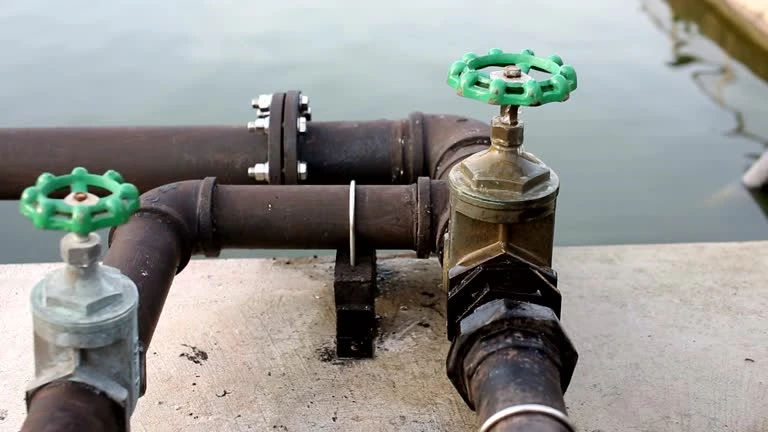
The Importance of Welding in Copper Valve Installation
Welding plays a critical role in ensuring the secure and leak-free installation of vannes en cuivre in various piping systems. A strong weld enhances durability, prevents leaks, and maintains system efficiency under high pressure and temperature conditions. Proper welding techniques ensure a reliable connection between copper valves and pipes, making them suitable for applications in plumbing, HVAC, and industrial fluid control.
Choosing the Right Welding Method
Different welding methods work for copper valves, depending on the application and pipe material. Brazing and soldering serve as the most common techniques for joining copper components. Brazing, performed at higher temperatures using a filler metal, creates a stronger bond suitable for high-pressure systems. Soldering, which involves melting a lower-temperature filler metal, works well for low-pressure applications. TIG (Tungsten Inert Gas) welding also provides a precise and clean weld for copper valves in specialized settings.
Preparing Copper Valves for Welding
Proper preparation ensures a strong and long-lasting weld. Cleaning the copper valve and pipe surfaces removes oxidation, dirt, and grease, which can weaken the bond. Using a wire brush or sandpaper helps achieve a clean, shiny surface. Applying a suitable flux prevents oxidation during heating and allows the filler metal to flow evenly, ensuring a seamless connection. Proper pipe fitting and alignment before welding also improve the overall weld quality.
Executing the Welding Process
Heating the joint evenly ensures a successful weld. When brazing, maintaining a consistent flame and using the right amount of filler metal prevents weak spots. Avoiding overheating reduces the risk of warping and ensures proper adhesion. In soldering, capillary action helps the molten solder flow into the joint, creating a solid connection. Allowing the weld to cool naturally without disturbance prevents cracks and ensures long-term reliability.
Inspecting and Testing the Weld
After completing the weld, inspecting the joint confirms its integrity. A visual inspection checks for uniformity, smoothness, and proper coverage of the filler metal. Performing a pressure test ensures the welded copper valve can withstand operational conditions without leaks. If any flaws appear, reheating and applying additional filler metal can strengthen the joint before putting the system into full operation.
Conclusion
Soudage vannes en cuivre requires careful preparation, the right welding technique, and thorough testing to ensure durability and leak resistance. Choosing the appropriate method, cleaning surfaces properly, and executing precise heating techniques create a secure bond that enhances the performance of copper valve installations. Investing time in high-quality welding practices results in a stronger, more efficient piping system built for long-term reliability.
Connecter
IFAN est un fabricant chinois de tuyaux en plastique, fittings and valves with 30 years of experience. If you are interest in IFAN copper fittings, copper valves, plastic pipes and fittings, please contact us. IFAN offers you a variety of standard pipes to meet your specific needs. Click below to learn more about IFAN’s wide range of affordable and cost-effective valve products and piping system related products.
Nous répondrons à votre e-mail ou fax dans les 24 heures.
Vous pouvez nous appeler à tout moment si vous avez des questions sur notre production.
Pour plus d'informations, veuillez visiter notre site Web https://www.waterpipefactory.com/
Veuillez envoyer un mail à : [email protected]
WhatsApp : + 86 152 1588 7738