
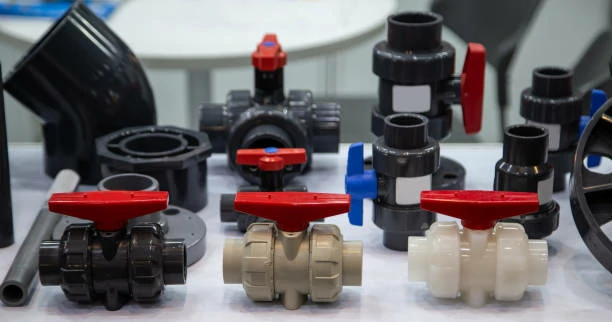
PVC valves play a crucial role in plumbing systems by regulating water flow and ensuring efficient operation. These valves are widely used in residential, commercial, and industrial applications due to their durability, corrosion resistance, and affordability. Selecting the right PVC valve requires understanding different types, materials, and performance factors. Proper valve selection ensures reliability, prevents leaks, and extends the plumbing system’s lifespan.
1. Understanding PVC Valve Types
Different PVC valve types serve various functions in plumbing systems. Ball valves use a rotating ball to control water flow, providing quick shut-off capabilities. Gate valves slide a barrier into the flow path, offering precise flow control. Check valves allow water to flow in one direction, preventing backflow. Butterfly valves use a rotating disc to regulate flow, making them ideal for large-diameter pipes. For example, a ball valve in a home irrigation system allows homeowners to easily turn water supply on or off. Understanding these valve types helps users choose the most suitable option for their plumbing needs.
2. Factors to Consider When Selecting a PVC Valve
Several factors influence the selection of a PVC valve. The pipe size must match the valve size to ensure a proper fit and maintain consistent water flow. Pressure rating determines whether the valve can handle system pressure without failure. Temperature compatibility ensures that the valve performs well in both hot and cold water systems. For example, a high-pressure PVC ball valve is suitable for industrial applications, while a low-pressure option works well in residential plumbing. Choosing a valve with the right specifications ensures long-lasting performance and prevents operational issues.
3. Advantages of Using PVC Valves in Plumbing
PVC valves offer multiple advantages compared to metal alternatives. Their corrosion resistance makes them ideal for plumbing systems exposed to water, chemicals, or harsh environments. Their lightweight nature simplifies installation and reduces strain on plumbing infrastructure. Additionally, PVC valves are cost-effective, providing long-term savings on maintenance and replacements. In swimming pool systems, for example, PVC valves withstand constant exposure to chlorinated water without deteriorating. These benefits make PVC valves a preferred choice for plumbing applications requiring durability and efficiency.
4. Proper Installation Techniques for PVC Valves
Correct installation ensures optimal performance and prevents leaks. Begin by cutting the PVC pipe cleanly and deburring the edges to ensure a proper seal. Apply PVC primer and solvent cement to both the pipe and valve connections before securing them together. Allow sufficient curing time before testing the valve under pressure. Use thread seal tape when installing threaded PVC valves to prevent leaks. For instance, in an outdoor sprinkler system, proper sealing techniques prevent water loss and ensure reliable operation. Following these installation steps maximizes the effectiveness of PVC valves in plumbing systems.
5. Common Issues and Troubleshooting Tips
PVC valves may encounter operational issues such as leaks, blockages, or sticking. Leaks often occur due to improper sealing or worn-out gaskets. Blockages result from debris buildup inside the valve, restricting water flow. Sticking valves may stem from prolonged disuse or accumulated sediment. Regular maintenance, including cleaning and lubricating valve components, prevents these issues. For example, in a water filtration system, periodic flushing of PVC valves removes sediment buildup and maintains efficient performance. Addressing problems early extends the lifespan of plumbing valves and ensures consistent functionality.
6. Future Trends in PVC Valve Technology
Advancements in PVC valve technology enhance plumbing system efficiency and reliability. Smart valves equipped with sensors allow remote monitoring and automated flow control. Improved PVC materials offer greater pressure resistance and longevity. Sustainable valve designs focus on reducing environmental impact through recyclable materials and water-efficient mechanisms. In commercial buildings, automated PVC valves help regulate water usage, reducing waste and optimizing resource management. As technology evolves, innovative PVC valves continue to improve plumbing system performance, offering greater convenience and efficiency.
In conclusion, choosing the right PVC valve ensures effective water flow control, durability, and long-term performance. Understanding different valve types, considering essential selection factors, and following proper installation techniques contribute to a reliable plumbing system. Regular maintenance prevents operational issues, while advancements in PVC valve technology enhance efficiency. By selecting high-quality PVC valves and implementing best practices, plumbing systems remain efficient, leak-free, and cost-effective for various applications.
Normes internationales pour les robinets à tournant sphérique en laiton
Les vannes à boisseau sphérique en laiton sont largement utilisées dans diverses applications de contrôle des fluides en raison de leur durabilité, de leur fiabilité et de leur grande résistance à la corrosion. Afin de garantir que ces vannes répondent aux exigences de sécurité et de performance, elles sont conçues conformément à de nombreuses normes internationales. Par exemple, la norme ASTM 2846 définit les spécifications des vannes à boisseau sphérique en thermoplastique, tandis que les normes DIN 8079/8080 se concentrent sur la compatibilité avec les tuyaux en polyéthylène et en polypropylène. De plus, des normes telles que ASTM F441/F441M SCH80 et AS/NZS 1477 garantissent l'efficacité des vannes dans les systèmes de tuyauterie en PVC. Grâce à ces réglementations strictes, les vannes à boisseau sphérique en laiton conservent des performances optimales, garantissant leur compatibilité avec les environnements résidentiels et industriels, y compris les réseaux d'eau potable, grâce à des certifications telles que NSF/ANSI 14.
Connecter
IFAN est un fabricant chinois de tuyaux en plastique, fittings and valves with 30 years of experience. If you are interest in IFAN copper fittings, copper valves, plastic pipes and fittings, please contact us. IFAN offers you a variety of standard pipes to meet your specific needs. Click below to learn more about IFAN’s wide range of affordable and cost-effective valve products and piping system related products.
Nous répondrons à votre e-mail ou fax dans les 24 heures.
Vous pouvez nous appeler à tout moment si vous avez des questions sur notre production.
Pour plus d'informations, veuillez visiter notre site Web https://www.waterpipefactory.com/
Veuillez envoyer un mail à : [email protected]
WhatsApp : + 86 152 1588 7738