
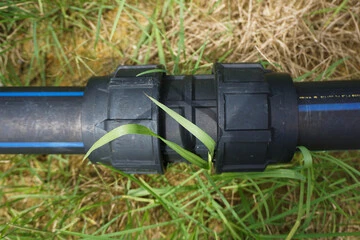
Introduction to HDPE and PP Plastics
Polyéthylène haute densité (HDPE) and Polypropylene (PP) are two of the most commonly used plastics in industries worldwide. Both materials offer excellent chemical resistance and durability, but they differ in structure, properties, and applications. Understanding these differences helps manufacturers and consumers choose the right plastic for their specific needs. This article compares HDPE and PP plastics, highlighting their key differences and common use cases. As industries evolve, knowing which plastic suits a particular purpose improves efficiency and reduces costs.
Material Properties and Strength
HDPE is a thermoplastic polymer known for its high strength-to-density ratio. It has excellent impact resistance and performs well in low temperatures. On the other hand, PP plastic has a higher melting point and better resistance to fatigue, making it ideal for repeated flexing. While HDPE is tougher under stress, PP offers superior stiffness and chemical resistance in some environments. These differences influence how each plastic behaves in various applications. Additionally, HDPE tends to be more flexible, while PP provides a more rigid structure, which can be crucial depending on the product design.
Chemical and Temperature Resistance
HDPE resists many acids, bases, and solvents, which makes it suitable for containers and piping exposed to harsh chemicals. It maintains its properties at temperatures ranging from -100°C to 80°C. Conversely, PP has a higher melting point, around 160°C, allowing it to withstand higher temperatures without deforming. This makes PP ideal for applications requiring heat resistance, such as microwave-safe containers and automotive parts exposed to engine heat. Moreover, PP’s resistance to certain chemicals can be better than HDPE in some industrial environments, expanding its usability.
Flexibility and Weight Considerations
HDPE offers good flexibility and impact resistance, which is why it is widely used in pipes, plastic bottles, and geomembranes. Its lightweight nature simplifies transport and installation. PP is generally more rigid and less flexible but provides better fatigue resistance. For products requiring repeated bending or twisting, PP often performs better, such as in living hinges found on plastic caps and containers. Both materials are lightweight compared to metals, which reduces transportation costs and environmental impact.
Common Applications of HDPE
HDPE finds widespread use in water pipes, plastic bottles, corrosion-resistant piping, and packaging films. Its durability and chemical resistance make it a favorite for outdoor applications and food-safe containers. Additionally, HDPE is often recycled into new products, supporting sustainability initiatives. Its ability to resist UV radiation also adds value in outdoor environments. Because of its toughness, HDPE is also used in heavy-duty containers and playground equipment, where safety and durability are critical.
Common Applications of PP
PP’s higher heat tolerance and stiffness make it popular in automotive parts, textiles, reusable containers, and laboratory equipment. Manufacturers use PP for applications requiring durability under heat and stress, such as dishwasher-safe kitchenware and industrial components. PP is also widely used in medical devices due to its chemical resistance and ability to undergo sterilization processes. Furthermore, PP is common in packaging, especially where clarity and chemical stability are essential, such as for food wraps and bottles.
Impact environnemental et recyclage
Both HDPE and PP plastics are recyclable, but recycling processes differ. HDPE recycling is more established and widely available, producing recycled products such as piping and plastic lumber. PP recycling is growing but less common in some regions. Choosing between HDPE and PP may also depend on local recycling infrastructure and sustainability goals. In recent years, advances in recycling technologies are improving the efficiency and cost-effectiveness of recycling both materials, encouraging wider adoption in circular economies.
Conclusion
In summary, HDPE and PP plastic each offer unique properties suited for different applications. HDPE excels in impact resistance, flexibility, and chemical stability at lower temperatures. Meanwhile, PP shines with higher heat resistance, stiffness, and fatigue endurance. By understanding these differences, businesses and consumers can select the most appropriate plastic, ensuring better performance and longer product life. Both plastics contribute to sustainable solutions when recycled properly. Selecting the right plastic reduces waste, improves product reliability, and supports environmental responsibility in modern manufacturing.
Normes internationales de l'IFAN
Pour répondre aux exigences mondiales de qualité, Tuyaux en PEHD IFAN suivre un large éventail de normes internationales, telles que ASTM D3035, ISO 4427, EN 12201, et GB/T 13663Ces normes définissent la résistance, la durabilité et la sécurité des tuyaux. De plus, l'IFAN est conforme à DIN 8074/8075, AS/NZS 4130, JIS K6760, BS 6572, et CSA B137.1, rendant leurs produits adaptés aux systèmes d'eau, de gaz et industriels du monde entier. L'IFAN répondant à toutes ces certifications reconnues, les utilisateurs peuvent choisir IFAN en toute confiance pour des performances fiables dans tous les environnements.
Connecter
IFAN est un fabricant chinois de tubes, raccords et vannes en plastique fort de 30 ans d'expérience. Si vous êtes intéressé par les raccords en cuivre, les vannes en cuivre, les tubes et raccords en plastique IFAN, n'hésitez pas à nous contacter. IFAN vous propose une variété de tubes standards pour répondre à vos besoins spécifiques. Cliquez ci-dessous pour en savoir plus sur la vaste gamme de vannes et de systèmes de tuyauterie abordables et économiques d'IFAN.
Nous répondrons à votre e-mail ou fax dans les 24 heures.
Vous pouvez nous appeler à tout moment si vous avez des questions sur notre production.
Pour plus d'informations, veuillez visiter notre site Web https://www.waterpipefactory.com/
Veuillez envoyer un mail à : [email protected]
WhatsApp : + 86 152 1588 7738