
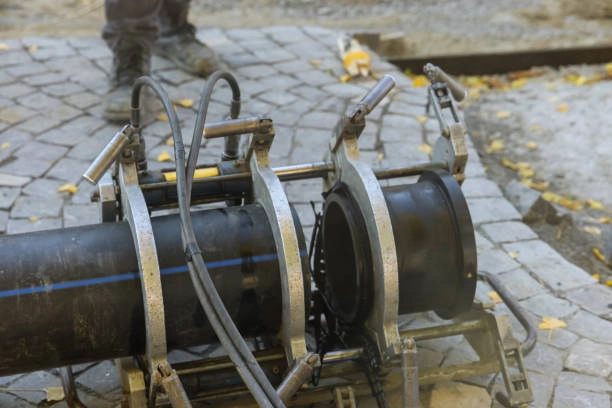
When choosing pipes, many people ask whether durable HDPE pipes or rigid PVC pipes are the better fit for their needs. Although both materials are popular and affordable, they have distinct characteristics. For example, High Density Polyethylene pipes offer superior flexibility and impact resistance, making them ideal for underground installations. In contrast, PVC pipes are more rigid and easier to handle for above-ground uses. Additionally, High Density Polyethylene pipes resist corrosion and chemicals better, which extends their lifespan significantly. Therefore, depending on your project’s requirements, selecting the right pipe material can save money and improve performance over time.
Flexibilité et force
One major difference lies in flexibility. Durable HDPE pipes bend easily without breaking. This makes them excellent for curved or shifting ground. On the other hand, PVC pipes are more brittle and may crack under pressure or impact. Because of this, High Density Polyethylene pipes work well in earthquake zones and challenging soil conditions. Moreover, their high tensile strength helps them withstand pressure in water or gas systems.
Installation and Handling
Another key factor is installation. High Density Polyethylene pipes come in long coils, reducing the need for multiple joints. Fewer joints mean fewer chances for leakage. In contrast, PVC pipes are usually available in rigid segments and require more connectors. Although PVC is lighter and easier to cut, the jointing process is more time-consuming. So, if speed and fewer connections are your goals, High Density Polyethylene pipes offer an edge.
Durabilité et longévité
Durability also matters. High Density Polyethylene pipes are resistant to rust, corrosion, and chemical reactions. This gives them a longer life in harsh environments. They also perform well in both hot and cold conditions. While PVC pipes resist corrosion too, they may become brittle over time, especially under UV exposure. As a result, High Density Polyethylene pipes typically last longer in outdoor or industrial applications.
Impact environnemental
Many users care about sustainability. Durable HDPE pipes are often more eco-friendly. They are recyclable and require less energy to manufacture. Also, their longer lifespan means fewer replacements and less waste. In comparison, PVC contains chlorine and may release harmful chemicals during production or disposal. Thus, for environmentally conscious projects, High Density Polyethylene pipes are a smarter choice.
Considérations relatives aux coûts
Cost is always a concern. At first glance, PVC pipes may seem cheaper. However, when you factor in durability, fewer repairs, and lower replacement rates, High Density Polyethylene pipes may prove more economical in the long run. Additionally, the quicker installation can reduce labor costs. So while initial prices differ, overall project cost can favor High Density Polyethylene pipes.
Which Should You Choose?
Ultimately, your choice depends on the specific needs of your project. If you need flexibility, long-term durability, and resistance to harsh conditions, High Density Polyethylene pipes are often the better choice. But if you are working on a small, indoor, or low-pressure system with a limited budget, PVC may still work well. Either way, knowing the key differences will help you make a smarter decision.
Réflexions finales
Choosing between High Density Polyethylene pipes and PVC pipes doesn’t have to be difficult. By understanding the strengths and limits of each material, you can match the right pipe to your project. In many cases, the added performance, lower maintenance, and environmental advantages of High Density Polyethylene pipes make them a solid investment for the future.
Normes internationales de l'IFAN
Pour répondre aux exigences mondiales de qualité, Tuyaux en PEHD IFAN suivre un large éventail de normes internationales, telles que ASTM D3035, ISO 4427, EN 12201, et GB/T 13663Ces normes définissent la résistance, la durabilité et la sécurité des tuyaux. De plus, l'IFAN est conforme à DIN 8074/8075, AS/NZS 4130, JIS K6760, BS 6572, et CSA B137.1, rendant leurs produits adaptés aux systèmes d'eau, de gaz et industriels du monde entier. L'IFAN répondant à toutes ces certifications reconnues, les utilisateurs peuvent choisir IFAN en toute confiance pour des performances fiables dans tous les environnements.
Connecter
IFAN est un fabricant chinois de tubes, raccords et vannes en plastique fort de 30 ans d'expérience. Si vous êtes intéressé par les raccords en cuivre, les vannes en cuivre, les tubes et raccords en plastique IFAN, n'hésitez pas à nous contacter. IFAN vous propose une variété de tubes standards pour répondre à vos besoins spécifiques. Cliquez ci-dessous pour en savoir plus sur la vaste gamme de vannes et de systèmes de tuyauterie abordables et économiques d'IFAN.
Nous répondrons à votre e-mail ou fax dans les 24 heures.
Vous pouvez nous appeler à tout moment si vous avez des questions sur notre production.
Pour plus d'informations, veuillez visiter notre site Web https://www.waterpipefactory.com/
Veuillez envoyer un mail à : [email protected]
WhatsApp : + 86 152 1588 7738