
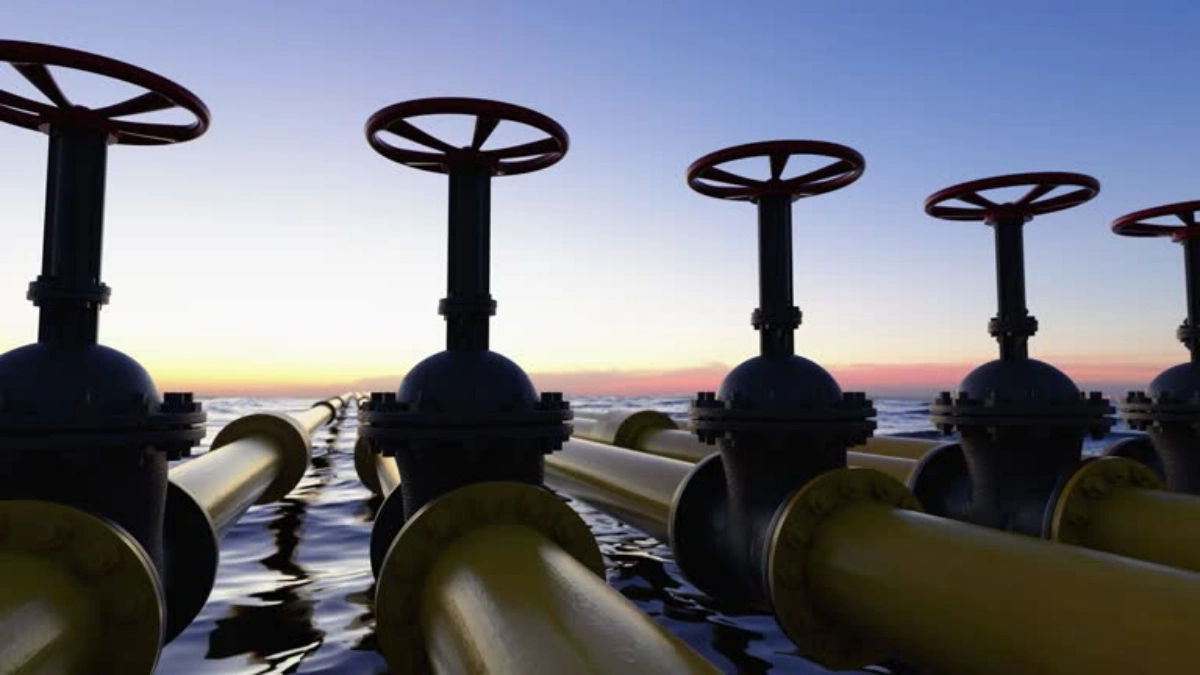
Water Valve Maintenance are integral components in systems that manage water flow, pressure, and temperature in various industries. These valves are commonly used in municipal water distribution, irrigation, and industrial applications. Regular maintenance is essential to ensure their proper functioning, avoid system failures, and reduce costs associated with repairs and replacements. This guide provides a comprehensive overview of the importance, methods, and best practices for maintaining water valves.
1. Understanding Water Valve Components
A water valve consists of several key components, including the body, stem, disc, seat, and actuator. The body houses the internal parts, while the stem connects the actuator to the disc, which controls water flow. The seat provides a sealing surface that ensures the valve closes tightly. Actuators, whether manual or automated, are responsible for opening and closing the valve. In irrigation systems, for example, manual valves may be used to control water flow to specific sections of fields. Understanding these components is vital for effective maintenance.
2. Importance of Regular Valve Maintenance
Regular valve maintenance is crucial for the reliability and longevity of water systems. Without proper care, valves can become clogged, corroded, or damaged, leading to leaks, reduced water pressure, or complete system failure. In municipal water systems, valve failures can cause widespread disruptions and costly repairs. For instance, a valve malfunction in a large-scale water distribution system can lead to water shortages or contamination. Preventive maintenance, such as cleaning and inspecting valves, helps detect issues before they escalate, ensuring smooth operation and reducing the risk of emergencies.
3. Common Valve Issues and Troubleshooting
Water valves often face common issues that can affect their performance. One common problem is clogging due to debris or mineral buildup, especially in hard water areas. Clogs can obstruct flow and cause valves to fail in either the open or closed position. Another issue is valve leakage, which can result from worn-out seals or damaged components. Corrosion, particularly in metal valves, can weaken parts and cause leaks or total failure. Identifying these problems early allows for quick fixes, such as cleaning, replacing seals, or repairing corroded parts, before they lead to more significant problems.
4. Steps for Effective Valve Maintenance
Effective valve maintenance involves several key steps. Begin by inspecting the valve regularly for signs of wear, leaks, or corrosion. Clean the valve and its components to remove any debris or buildup. For manual valves, lubricate the stem to ensure smooth operation. For automated valves, check the actuator’s function and calibration to ensure it responds accurately to control signals. It’s also important to test the valve’s operation by opening and closing it fully to ensure it operates without resistance. Regular inspections and servicing help prevent unexpected failures and ensure long-term valve performance.
5. Preventive Measures to Extend Valve Life
Taking preventive measures can significantly extend the lifespan of water valves. One key approach is to install water filters to prevent debris and sediments from entering the valve system. In areas with hard water, consider installing water softeners to reduce mineral buildup that can clog or damage valves. In addition, ensuring the system is properly pressurized helps prevent stress on the valve components. Another important measure is regular calibration of automated valves to maintain accuracy. By following these preventive steps, you can minimize the need for repairs and replacements, saving both time and money in the long run.
6. The Role of Technology in Valve Maintenance
Technology plays an increasingly important role in water valve maintenance. Smart valves, equipped with sensors and IoT capabilities, allow for real-time monitoring of valve performance. These systems can detect issues such as leaks, pressure drops, or flow irregularities, alerting maintenance teams before significant problems occur. Additionally, predictive maintenance software uses data to forecast when valves may need attention, based on wear patterns and historical data. Implementing these technologies helps improve maintenance efficiency, reduce downtime, and ensure that valves are functioning optimally. As technology evolves, its integration into water valve systems will continue to improve reliability and performance.
In conclusion, regular maintenance is essential to keep water valves functioning effectively and efficiently. Understanding valve components, recognizing common issues, and implementing preventive measures can prevent costly repairs and system failures. By staying proactive with maintenance and embracing technological advancements, industries can ensure that their water valve systems remain reliable and perform optimally for years to come.
Normes internationales pour les robinets à tournant sphérique en laiton
Les vannes à boisseau sphérique en laiton sont largement utilisées dans diverses applications de contrôle des fluides en raison de leur durabilité, de leur fiabilité et de leur grande résistance à la corrosion. Afin de garantir que ces vannes répondent aux exigences de sécurité et de performance, elles sont conçues conformément à de nombreuses normes internationales. Par exemple, la norme ASTM 2846 définit les spécifications des vannes à boisseau sphérique en thermoplastique, tandis que les normes DIN 8079/8080 se concentrent sur la compatibilité avec les tuyaux en polyéthylène et en polypropylène. De plus, des normes telles que ASTM F441/F441M SCH80 et AS/NZS 1477 garantissent l'efficacité des vannes dans les systèmes de tuyauterie en PVC. Grâce à ces réglementations strictes, les vannes à boisseau sphérique en laiton conservent des performances optimales, garantissant leur compatibilité avec les environnements résidentiels et industriels, y compris les réseaux d'eau potable, grâce à des certifications telles que NSF/ANSI 14.
Connecter
IFAN est un fabricant chinois de tuyaux en plastique, fittings and valves with 30 years of experience. If you are interest in IFAN copper fittings, copper valves, plastic pipes and fittings, please contact us. IFAN offers you a variety of standard pipes to meet your specific needs. Click below to learn more about IFAN’s wide range of affordable and cost-effective valve products and piping system related products.
Nous répondrons à votre e-mail ou fax dans les 24 heures.
Vous pouvez nous appeler à tout moment si vous avez des questions sur notre production.
Pour plus d'informations, veuillez visiter notre site Web https://www.waterpipefactory.com/
Veuillez envoyer un mail à : [email protected]
WhatsApp : + 86 152 1588 7738