
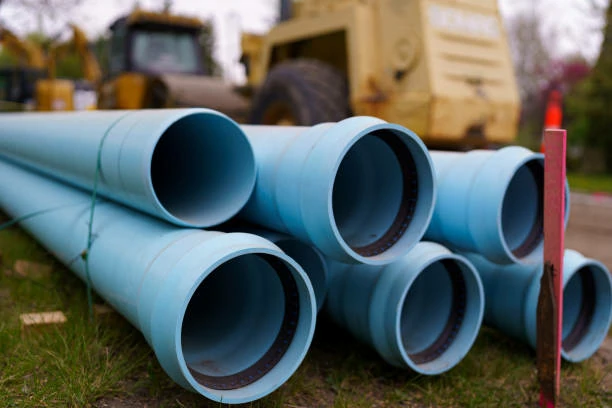
Introduction to PVC
Polyvinyl chloride (PVC) is one of the most widely used synthetic plastic polymers. People recognize it for its versatility and cost-effectiveness. You can find PVC in products ranging from plumbing pipes to medical devices. Its combination of strength, durability, and resistance to chemicals makes it a popular choice across industries. Whether in rigid or flexible form, PVC suits a variety of applications, making it an essential material in daily life.
Properties of PVC
PVC stands out for its durability and advantageous properties. It is strong, lightweight, and resistant to corrosion, which makes it ideal for harsh environments. PVC resists chemicals, allowing it to transport liquids, gases, and other substances safely. The material can be made rigid or flexible depending on the application. PVC’s resistance to water and weather conditions makes it a great option for outdoor use. Its ability to be molded and shaped into different forms also enhances its versatility for various applications.
Applications in Construction and Plumbing
PVC plays a key role in construction, especially in plumbing systems. People use PVC pipes extensively for water supply and drainage due to their low cost, lightweight nature, and resistance to corrosion. PVC’s use extends to window profiles, flooring, and roofing materials as well. The material’s ability to withstand weathering and environmental stress makes it ideal for construction projects. As demand for durable and sustainable materials grows, PVC’s applications in construction and plumbing continue to expand.
PVC in the Medical Industry
PVC also plays a crucial role in the medical industry. Manufacturers use PVC to make medical devices like IV bags, tubing, and catheters. The material is biocompatible and flexible, making it a perfect choice for medical devices that require durability and precision. PVC’s transparency allows medical professionals to monitor fluids and gases easily. Since PVC can be sterilized, it remains a top choice for hospitals and clinics. Its strength and flexibility ensure that medical devices maintain their integrity under various conditions.
PVC in the Automotive Industry
The automotive industry increasingly relies on PVC for various applications. Manufacturers use PVC in vehicle interiors, such as seat coverings, dashboards, and flooring. PVC’s lightweight nature helps reduce the overall weight of vehicles, improving fuel efficiency. Additionally, PVC resists wear and tear, which enhances the durability of automotive parts. The material’s flexibility allows manufacturers to mold it into complex shapes for parts like door panels and trims. PVC’s toughness and versatility contribute to the comfort and longevity of automotive components.
Impact environnemental et durabilité
While PVC offers many benefits, its environmental impact is a concern. PVC production involves non-renewable resources, and the material is not biodegradable. However, efforts are underway to reduce PVC’s environmental footprint. People are increasingly using recycled PVC in manufacturing new products, which reduces the need for virgin PVC. The recycling process helps lessen waste and the material’s impact on landfills. Innovations in production methods aim to make PVC more sustainable, with some manufacturers using eco-friendly additives to reduce environmental harm.
The Future of PVC
The future of PVC looks promising, with continuous innovations improving its properties and applications. Researchers are developing new PVC types with better environmental and performance characteristics. For example, bio-based PVC, which uses renewable resources, is gaining attention as an alternative to traditional PVC. Advancements in recycling technologies also contribute to PVC’s sustainability. As industries seek cost-effective and durable materials, PVC’s versatility ensures its relevance in various sectors, from construction to healthcare.
Conclusion
PVC is an incredibly versatile material with a wide range of applications across industries. Its durability, cost-effectiveness, and ability to be molded into different shapes make it indispensable in daily life. From plumbing and construction to medical devices and automotive parts, PVC continues to meet the demands of multiple sectors. As sustainability becomes more important, efforts to recycle and improve PVC’s environmental impact will shape its future. With its flexibility and adaptability, PVC remains a key material for years to come.
Conclusion
PVC is one of the most versatile materials available, with a wide range of applications across numerous industries. Its durability, cost-effectiveness, and ability to be molded into different shapes make it indispensable in everyday life. Whether in plumbing, construction, medical devices, or automotive parts, PVC’s usefulness continues to grow. As sustainability becomes an increasing concern, efforts to recycle and improve the environmental impact of PVC will shape its future. PVC remains a material of choice for countless industries, and its versatility ensures its continued importance for years to come.
IFAN Mondial Normes
Les tuyaux en PVC IFAN répondent à diverses normes internationales, garantissant une qualité et une fiabilité élevées. Les normes ASTM 2846 et DIN 8079/8080 définissent les exigences en matière de pression et de matériaux. Les normes ASTM F441/F441M SCH80 et GB/T 18993 définissent les spécifications pour les applications industrielles. Les normes AS/NZS 1477 et CSA B137.6 couvrent les performances en plomberie et drainage. La norme NSF/ANSI 14 garantit la sécurité de l'eau potable. Les normes TIS 17-2532/1131-2535, BS 3505 et BS 4346 régissent la construction et la durabilité. Les normes ASTM D1785 SCH40/SCH80 et GB précisent l'épaisseur et la résistance. Les normes DWV et ASTM D2665 traitent des systèmes de drainage et de ventilation. Les normes ASTM D2241, ASTM D2729 et ISO 1452 fournissent des directives en matière de pression et de dimensions. Les normes EN ISO 1452, DIN 8061/8062 et GB/T 10002 garantissent la conformité mondiale. Les normes JIS K6741 et CSA B137.3 définissent des exigences de qualité supplémentaires.
Connecter
IFAN est un fabricant chinois de tuyaux en plastique, fittings and valves with 30 years of experience. If you are interest in IFAN copper fittings, copper valves, plastic pipes and fittings, please contact us. IFAN offers you a variety of standard pipes to meet your specific needs. Click below to learn more about IFAN’s wide range of affordable and cost-effective valve products and piping system related products.
Nous répondrons à votre e-mail ou fax dans les 24 heures.
Vous pouvez nous appeler à tout moment si vous avez des questions sur notre production.
Pour plus d'informations, veuillez visiter notre site Web https://www.waterpipefactory.com/
Veuillez envoyer un mail à : [email protected]
WhatsApp : + 86 152 1588 7738